






 Portuguese
  Spanish
  5 min of reading
  0 comments


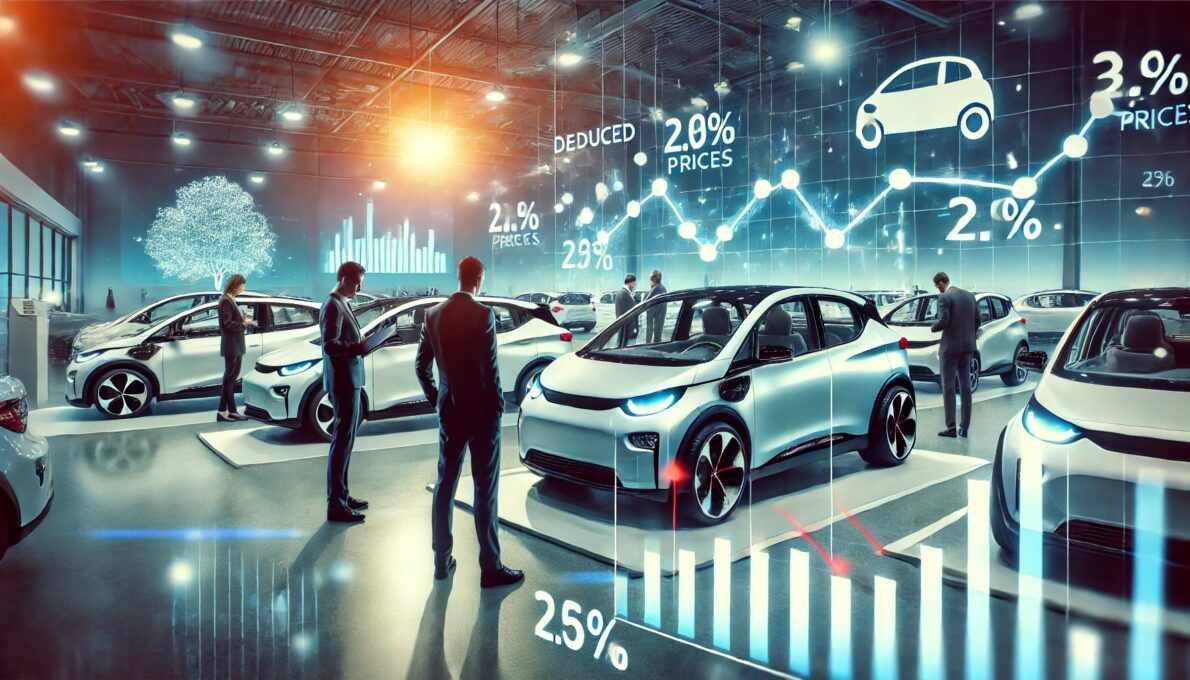
The Drop in Electric Car Prices in the US Attracts Buyers with Irresistible Offers, but Leaves Dealers on Alert, Facing Challenges to Maintain Profitability Amidst the New Market Reality.
Drop in Electric Car Prices: The prices of electric cars in the US have plummeted, creating an almost surreal scenario for those looking for affordable vehicles. The used electric car market in the US, once marked by high prices, has now become a veritable paradise of offers. This decline in prices has impacted both buyers and dealers, leading dealerships to face a complicated situation. Electric cars, which were once considered out of reach for many, have become one of the best options for those seeking cheap electric cars at prices significantly lower than those in recent years.
Drop in Electric Car Prices in the US and the Impact on the Used Market
Two years ago, the electric car market was booming, and used models were often sold for prices equal to or even higher than new ones, due to a supply chain crisis that resulted in vehicle shortages.
However, this situation changed drastically. Dealerships are filled with cheap and unsold electric cars, with automakers – especially Tesla – leading aggressive cuts in prices for new models to boost sales.
-
Uber Faces Shareholder Scrutiny as Board Accused of Ignoring Safety, Compliance, and Harassment Warnings Amid Over 3,500 U.S. Lawsuits

-
Ferrari’s First Electric Car Divides Fans, Priced at $630,000, Amid Concerns Over Limited Editions; Brand Clarifies It’s Not Just for Future Perks
-
BYD Dolphin Mini: The Electric Car That Defies Depreciation, Losing Only 3.58% in a Year and Becoming the Best-Selling Retail Model Under $22,000

-
Electric Car JAC E-JS4 Loses $19,000 in Value in One Year, Leading Record Depreciation of Used Cars in Brazil Due to Expensive Battery and New Models


This drop in electric car prices directly impacts the value of used electric cars, turning them into cheap options for consumers, but reducing the profits of dealers.
The Tesla Model 3, for example, had a 25% reduction in its list price, making it a more accessible option for new buyers. However, this drastically affected the used electric car market. As a result, the prices of these vehicles have fallen significantly, creating a buying opportunity but also raising concerns about the future valuation of electric cars.
Discounts on New Models Increase Demand but Pressure the Used Market
The discounts and promotions on the sales of new electric cars were an effort by automakers to maintain sales and stimulate growth in the sector. This movement elevated Tesla’s global deliveries in the third quarter, reversing the declines recorded earlier in the year.
However, the influx of discounts in the new market has pushed the prices of used electric cars even lower, creating challenges for the automotive industry, which relied on a constant appreciation of battery technology.
In September, the average selling price of a three-year-old electric car was approximately US$ 28,400, lower than that of gasoline vehicles of the same age, according to data from Edmunds. This sharp drop in the prices of used electric cars contrasts with the stability observed in the used combustion car market, showing how the dynamics of electrics are sensitive to price fluctuations and demand.
The Negative Effect on Electric Car Owners and Indebtedness
The drop in prices for used electric cars may enhance the appeal of these vehicles for buyers seeking savings. However, it has also created problems for current owners who, years ago, paid a premium for their electric cars.
Many of these owners are facing financial difficulties, with loans that exceed the market value of their vehicles. This scenario of delinquency is exacerbated by Tesla models, like the Model 3 and Model Y, whose prices have dropped drastically over the past year.
The case of Christian Lange illustrates this scenario well. In 2018, he purchased a new Tesla Model 3 but saw its value plummet in recent years. By early 2023, the car was valued at around US$ 35,000, equivalent to what he still owed on the loan.
However, after successive price reductions made by Tesla, the value of his car fell to US$ 10,000 less than the amount he owed. Frustrated, Lange traded his Model 3 for a Kia EV9, illustrating the growing dissatisfaction among early electric car buyers, who are now facing financial difficulties due to the depreciation of their vehicles.
Tax Incentives and the Role of Leasing in the Popularization of Electric Cars
As consumer interest in electric cars diminished, automakers became more aggressive in promoting new models, offering leasing and advantageous financing conditions.
These incentives included applying a US$ 7,500 tax credit directly to lease contracts, resulting in a significant drop in monthly payments for new electric cars. This made leasing the preferred method for acquiring new electric cars, with about 80% of sales occurring through this model.
This shift in the purchasing model directly impacted the used electric car market. Today, the monthly payment for a lease on a new electric car is comparable to the cost of a loan for a used electric car, making new models more attractive to consumers. This factor contributes to the drop in used electric car prices and puts dealers in a difficult position, as they see used vehicles rapidly lose value.
Automaker Strategies to Reduce Production and Preserve the Resale Value of Electric Cars
With the sharp drop in used electric car prices, many automakers have reevaluated their production strategies. The oversupply relative to demand has led some companies to rethink their production targets and delay expansion plans to avoid a surplus in the market.
The General Motors, for instance, has stated that it does not wish to produce electric cars just to meet targets, without considering the actual market demand. This aims to preserve the resale value of electrics and prevent long-term losses for both the brand and consumers.
Furthermore, the used electric car market has also been affected by the introduction of a new federal tax credit of US$ 4,000 for purchases of used electric cars in the US.
This credit applies only to vehicles sold for less than US$ 25,000, which has led some dealers to adjust their prices to take advantage of the tax benefit and attract buyers, further increasing the supply of cheap electric cars in the used market.





Be the first to react!