Portuguese
  Spanish


Solar Power Plant Project With 40 Hectares And Capacity To Supply Thousands Of Homes Receives Favorable Opinion, Despite Criticisms About Environmental Impacts And Agricultural Use.
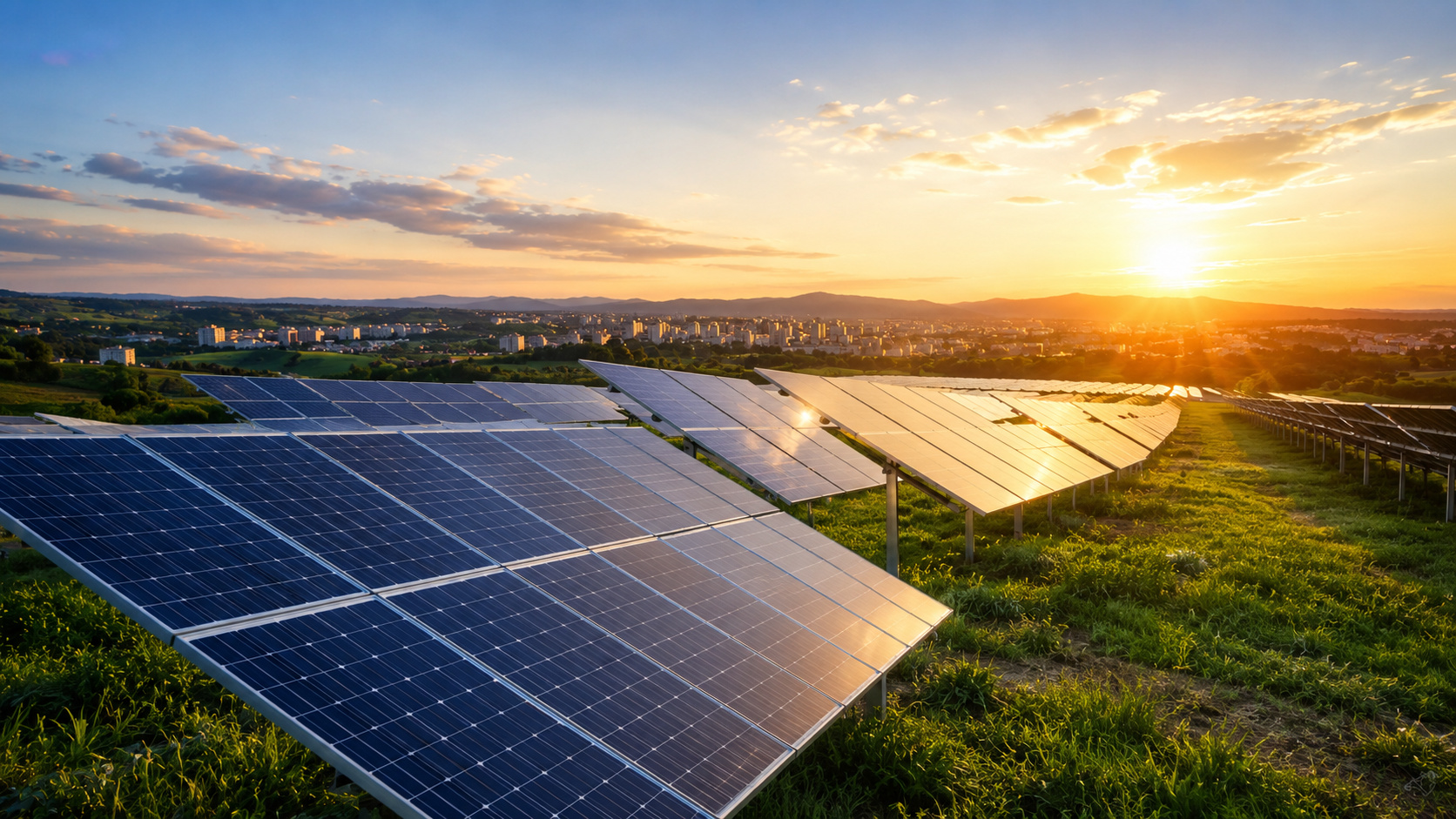
A large-scale solar power plant project is about to receive the green light from local authorities in the UK, even facing strong resistance from local residents. The proposal, reviewed by the FHDC planning committee, plans to install a solar park of approximately 40 hectares, equivalent to about 55 football fields, in the town of Folkestone and Hythe.
The decision is expected during a meeting scheduled for Tuesday night and involves a project located on St Mary’s Road, opposite the area known as Marten Farm. According to official documents, the solar park will have a capacity of 16 megawatts, enough energy to supply more than 10,000 homes annually.
Clean Energy And Rural Economy Are Central Arguments
According to the technical opinion presented, the implementation of the solar power plant is advocated as a strategy to strengthen the rural economy and increase the diversification of agricultural activities. Although the land is currently used for grazing, the project leaders claim that agricultural use will be maintained, even with the installation of photovoltaic panels.
-
Solar energy reaches 55 GW, becoming the second largest power source in Brazil’s energy mix

-
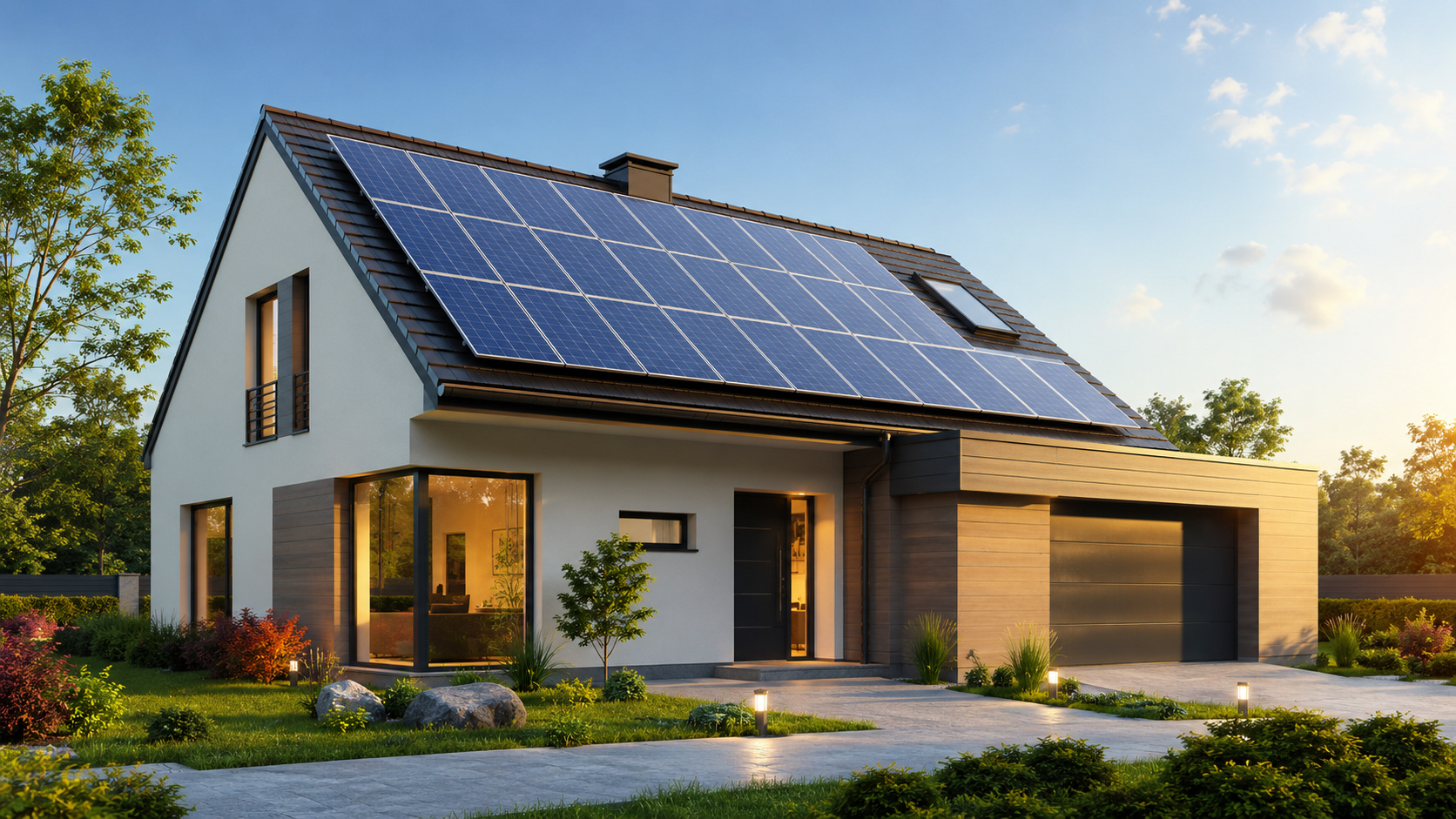
Solar energy can increase property value by up to 10% and become a selling point.
-
Solar and wind energy surpass natural gas for the first time in the world and accelerate energy revolution

-
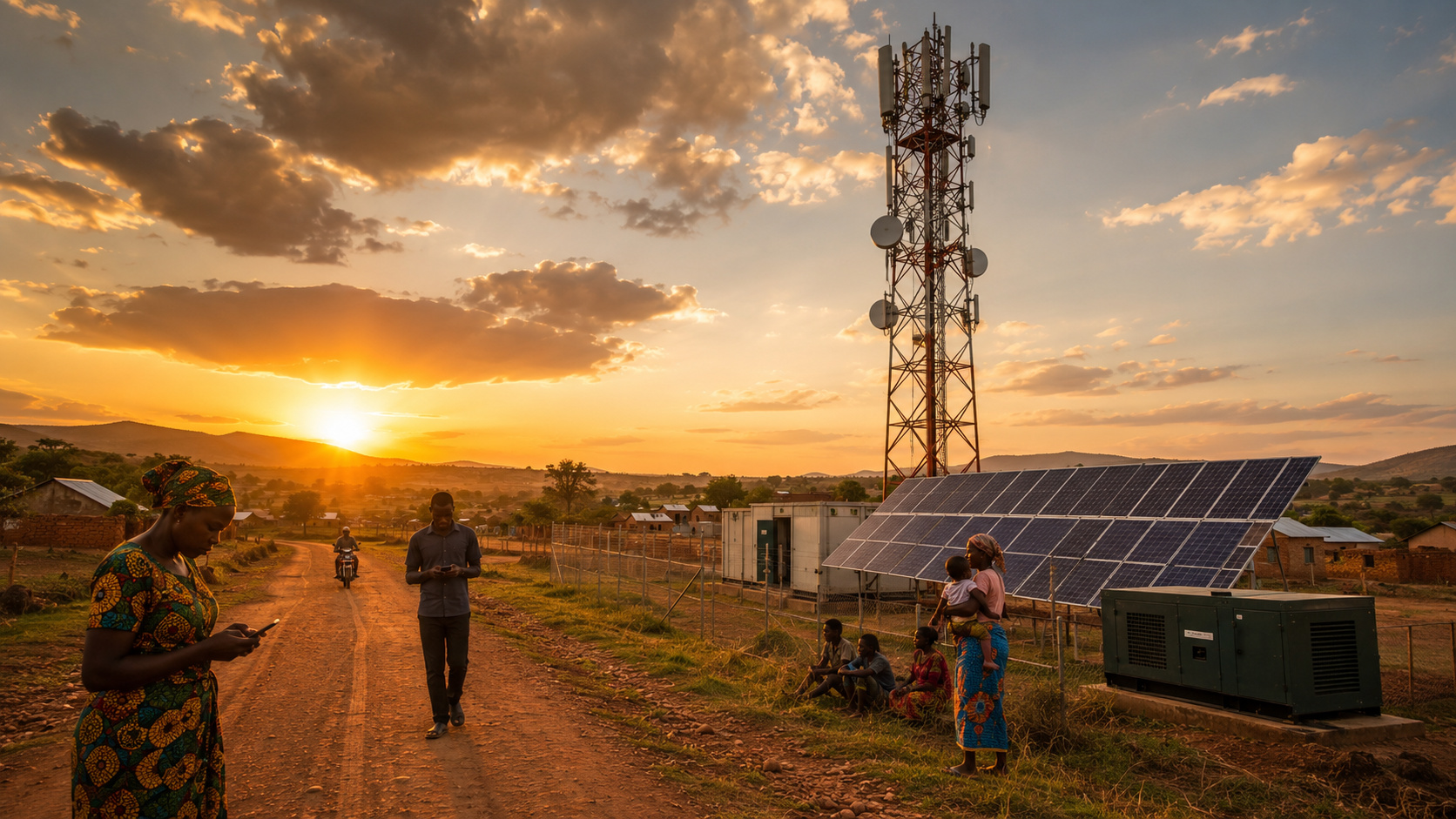
Africa has about 500,000 cell towers and most still burn diesel to operate, while companies rush to cover antennas with solar energy and avoid signal blackouts.

Additionally, the documents emphasize that the occupation of the area is temporary. The agreement stipulates that after 40 years of operation, the site will undergo a decommissioning process. Thus, the land should be returned to its current conditions or even better, according to guarantees presented in the plan.


Despite the favorable arguments, the solar power plant proposal faces significant resistance. More than 80 residents have formalized objections to the project. Among the main concerns are potential environmental impacts, loss of natural habitats, and harm to soil quality.
These criticisms were recorded in the FHDC planning report, which acknowledges the existence of negative effects. Nonetheless, the document classifies the decision as balanced. The text points out that the area is not considered the most strategic for intensive agriculture, while the gain in clean energy generation is seen as relevant.
Mitigation Measures Aim To Reduce Resistance
The company responsible for the project, Environmena, claims that the environmental management plan has been designed to minimize impacts. Among the planned actions are habitat restoration, planting native species, creating flowering meadows, and continuous ecological monitoring.
According to the company, these measures aim not only to compensate for the effects of installing the solar power plant, but also to promote environmental benefits throughout the operation period. Still, the debate remains heated, reflecting an increasingly common dilemma: how to expand renewable energy without increasing conflicts over land use and environmental preservation.