






 Portuguese
  Spanish
  2 min of reading
  0 comments


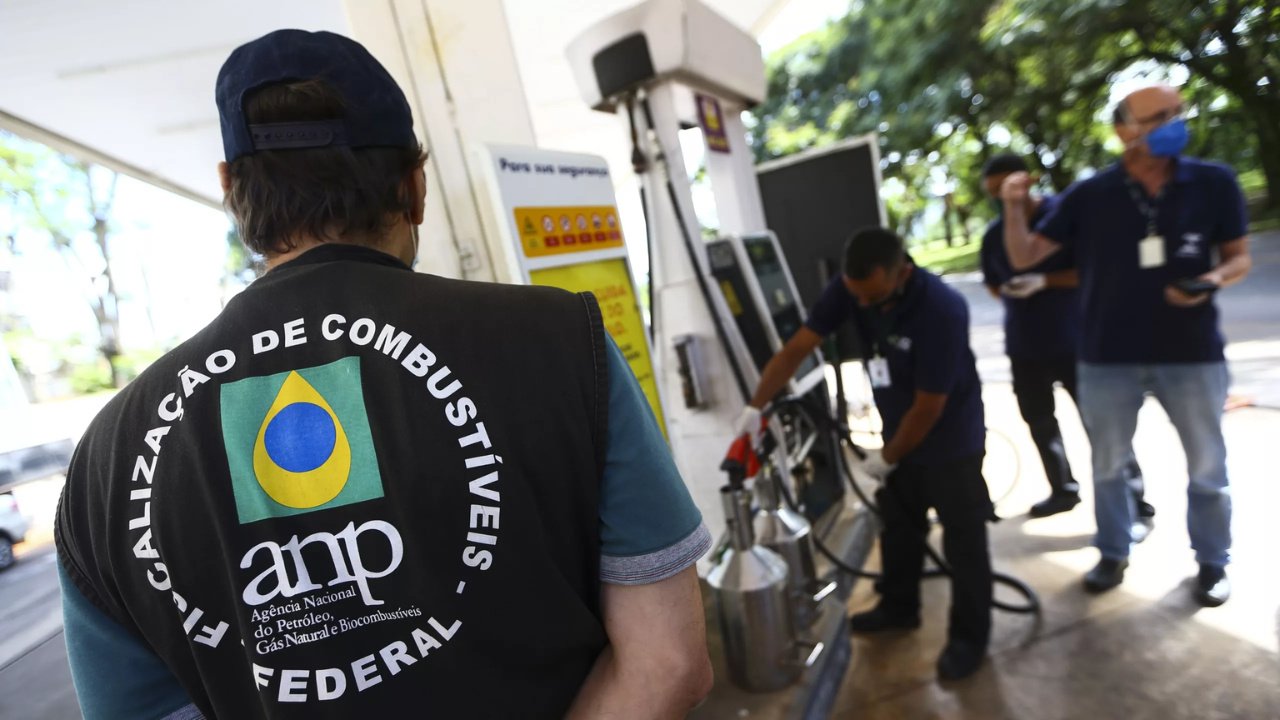
ANP Confirms That Oil Companies Will Invest R$ 17 Billion in Onshore Oil and Gas Fields in Brazil. The Measure Provides for New Wells, More Jobs, and Energy Security.
The National Agency of Petroleum, Natural Gas and Biofuels (ANP) announced this Tuesday (23) that oil companies operating in Brazil are expected to invest around R$ 17 billion in onshore oil and gas fields. The investments focus on contracts that were extended from the so-called Zero Round, which marked the opening of the sector in the late 1990s.
In total, 139 contracts were renewed and now have new development plans approved by the ANP in August. The main goal is to increase recovery factors, extend the life of the fields, and ensure the continuity of production on a more sustainable basis.
Extension Ensures More Production and Jobs
According to the ANP, the extended contracts were set to expire in 2025 but were continued at the request of the operators. The expectation is that the investments will result in 600 million additional barrels of oil and 72 billion cubic meters of natural gas.
-
Oil production grows in Rio, but reserve replacement raises a warning sign

-
Petrobras is expected to complete the drilling of the Morpho well in the Foz do Amazonas in August 2026, the first well in the Equatorial Margin, an oil frontier that the ANP estimates at more than 30 billion barrels and could redraw the map of Brazil.

-
Oil returns to the center of concerns with tension between the US and Iran

-
IEA reduces forecast for global oil demand in 2026 after impacts of the Middle East crisis



In addition to strengthening energy security, the measure is expected to generate thousands of jobs and increase revenue for producing states and municipalities.
New Wells and Reconditioning of Existing Infrastructure
The approved plans include the drilling and completion of 2,115 new wells, the reconditioning of 5,546 existing wells, and the intervention in another 1,039 drilled wells. These actions will allow greater efficiency in extraction and better utilization of already discovered reserves.
Another important point highlighted by the ANP is the jump in recovery factors: the oil index is expected to increase from 22.56% to 26.34%, while the natural gas index could jump from 40.06% to 65.33%.
The so-called Zero Round was conducted in 1998, after the breaking of Petrobras’ monopoly, with the creation of the Petroleum Law. At that time, the rights of the state-owned company in fields that were already in operation were ratified. However, from that point on, other oil companies were able to compete for exploration contracts in Brazil.
Today, the extension of these contracts represents an opportunity to revitalize mature areas, increasing the competitiveness of the sector. Although offshore production accounts for the largest portion of national volume, the ANP argues that strengthening onshore production is strategic for diversifying and ensuring security in the market.







-

1 person reacted to this.