Portuguese
  Spanish


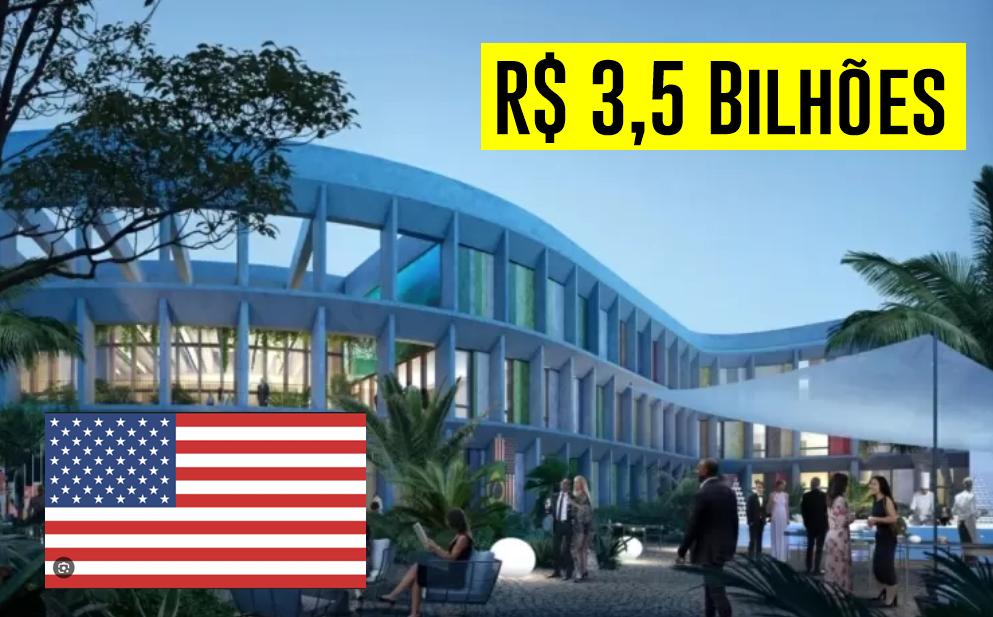

The U.S. Embassy in Brasilia Is One of the Most Expensive in the World, with a Cost of R$ 3.5 Billion
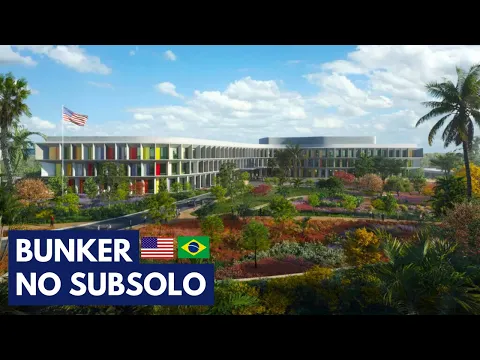
The United States is erecting a new complex for its Embassy in Brasilia, with an inauguration scheduled for 2030. The work, which started in May 2023, will require an investment of R$ 3.5 billion, as revealed by the U.S. Department of State. The design of the U.S. Embassy promises to integrate modern architecture, energy efficiency, and elements of Brazilian culture.
AN AMBITIOUS PROJECT INSPIRED BY BRASILIA
The architectural project was commissioned in 2016, under the supervision of the renowned Studio Gang from Chicago, in partnership with the engineering company Caddell Construction Co. from Alabama. Inspired by the works of Oscar Niemeyer and the vegetation of the Cerrado, the design includes curved concrete in an “S” shape, colorful ceramic tiles, and a courtyard designed by Roberto Burle Marx. UNESCO recognizes Brasilia as a World Cultural Heritage site, and the new complex reflects this legacy.
Additionally, the landscaping will incorporate native plants, maintaining the connection with the local ecosystem. The goal is to deliver a structure that is functional and honors the architectural and natural history of the federal capital.
-
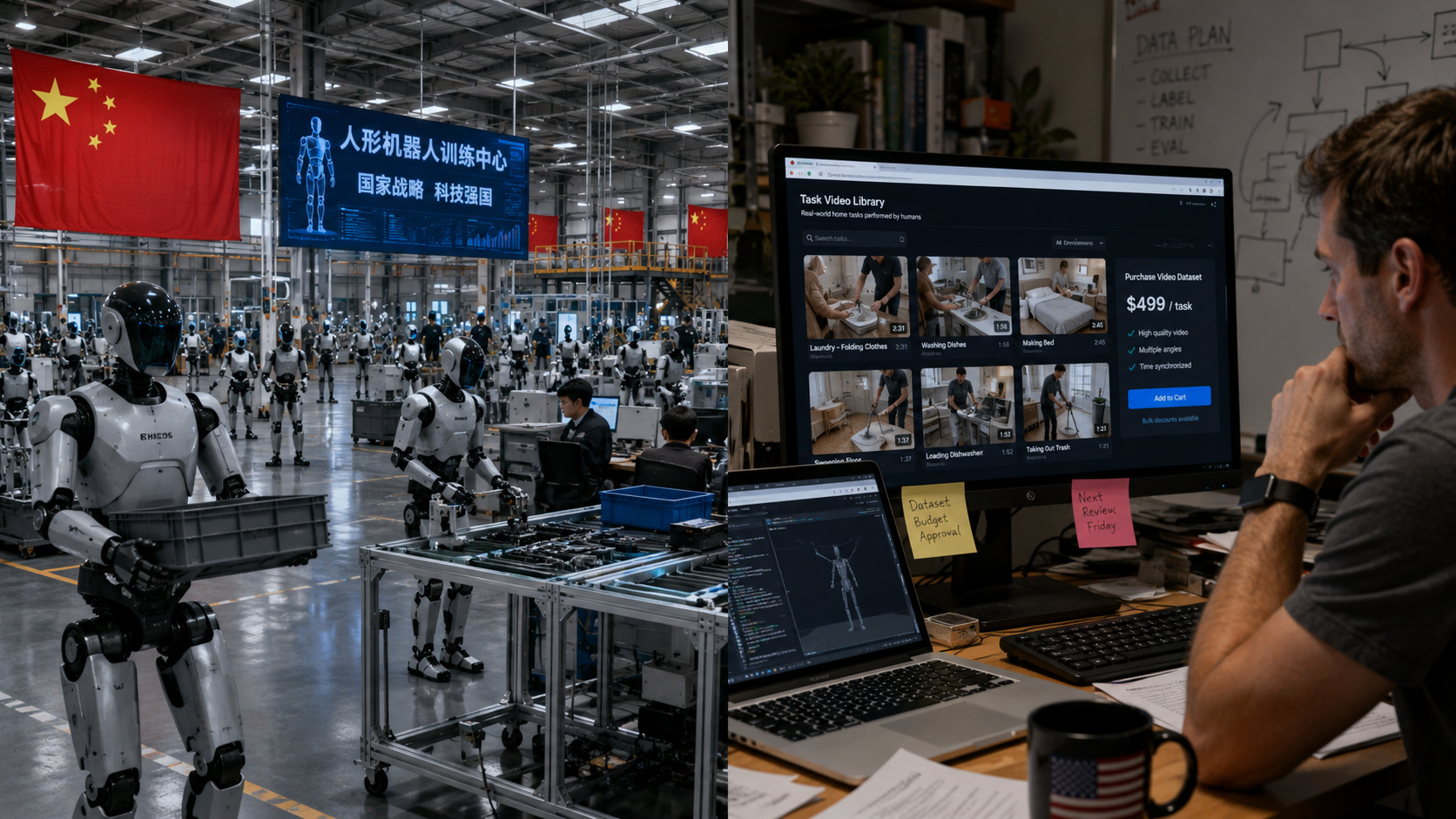
China Establishes State Centers to Train Humanoid Robots, While the West Lags Behind with Makeshift Solutions

-
The Trap of Modern Technology: How Screen Overload and Digital Connections Can Impact Your Mental Health and Well-being
-
Wyoming Couple Grows Tropical Fruits Year-Round in -40°C Using Geothermal Greenhouse, Demonstrating Earth’s Heat Can Produce Oranges and Lemons in Snow Without Traditional Heating

-
Ship Returns from Brazilian Coast with Thirty Newly Discovered Life Forms


TECHNOLOGY AND ENERGY EFFICIENCY
Sustainability is a priority. The design seeks “silver” LEED certification, featuring innovative systems such as solar panels, rainwater management, and chilled beams for air conditioning. These advancements promise to reduce energy consumption and transform the building into a model of environmental leadership.
The new U.S. Embassy will also maximize natural light and ventilation, creating comfortable environments integrated with the climate of Brasilia.
ART AND ECONOMIC IMPACT
The artistic presence will be significant. Works by Brazilian and American artists, including Ernesto Neto and Beatriz Milhazes, will enrich the galleries and common areas. Tapestries and installations reinforce cultural exchange, while touches of Brazilian design, such as cobogós and water mirrors, complement the design.
The construction is also expected to boost the local economy. With 230 workers already on site, the number is projected to rise to 400, generating an estimated economic impact of R$ 1.07 billion.
A SPACE FOR CONNECTIONS
Besides diplomatic areas, the complex will feature event spaces, a fitness center, and leisure areas. Meetings and parties will take place in open environments, reinforcing the proposal for integration among visitors and the vibe of the city.
The new U.S. Embassy will not just be a building but a symbol of exchange between the United States and Brazil, uniting modernity, sustainability, and the rich cultural heritage of Brasilia. Its completion in 2030 will mark a new chapter in this bilateral relationship.