






 Portuguese
  Spanish
 4 min of reading
  0 comments


Rail Project Between Salvador and Feira de Santana Plans High-Speed Trips, Nine Stations and Integration with Metro and Bus Station, Promising to Shorten Travel Times, Generate Jobs and Reposition Mobility in the Interior of Bahia.
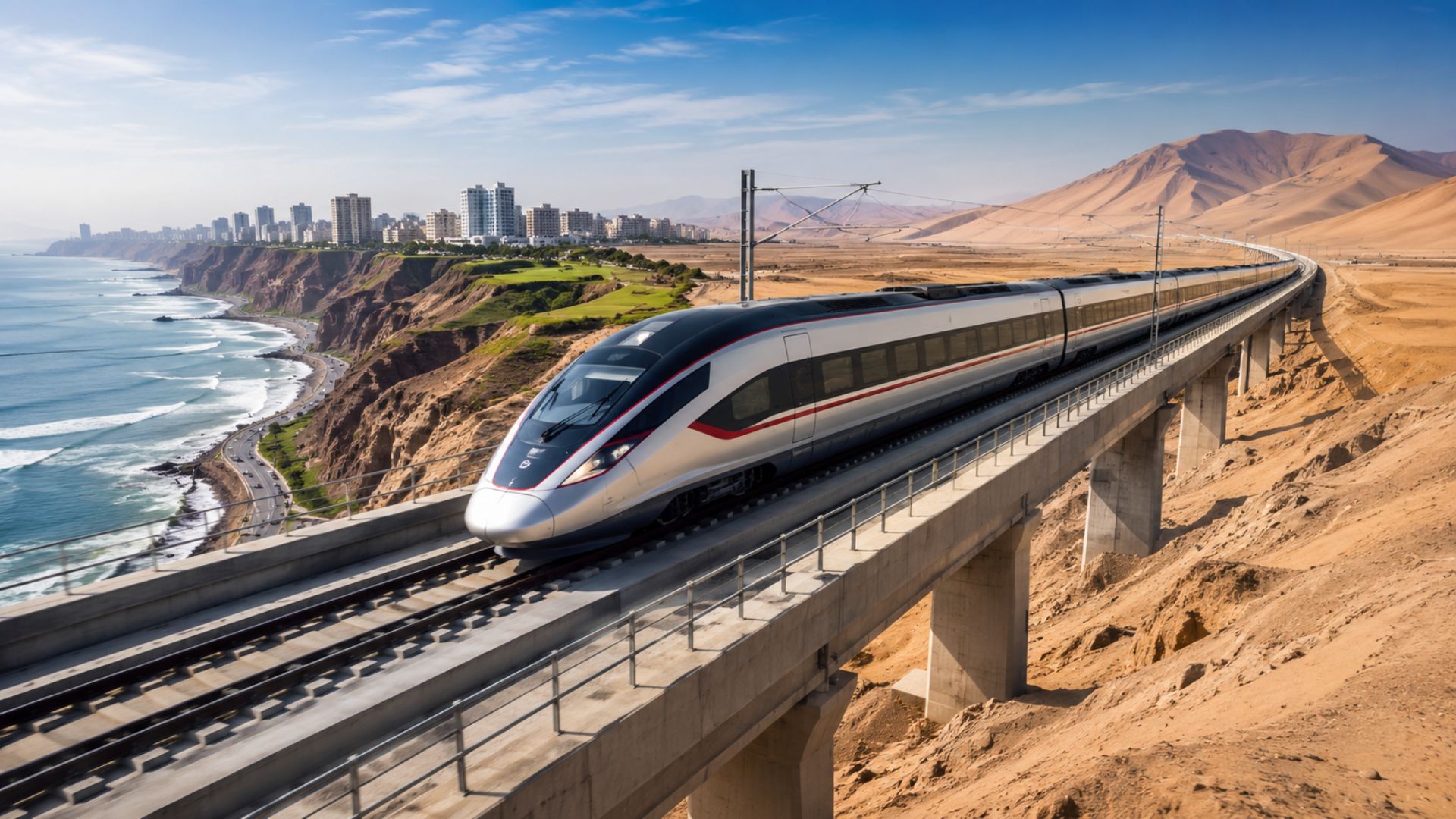
The project for a railway between Salvador and Feira de Santana has progressed in discussions with authorities and sector entities and plans for trips in 35 minutes, with trains running at 160 km/h and capacity for 85 thousand passengers per day.
The proposal, presented by representatives of TIC Bahia last Thursday (04) at the Feira de Santana City Hall, depends on the final approval from the Ministry of Transport to come to fruition.
Presentation in Feira de Santana and Next Steps
The initiative was detailed to councilors and local leaders at the City Hall of Feira.
-
Railway returns to prominence in Brazil after STF approval: a R$ 25.2 billion project promises to save R$ 9 billion in freight, transport 50 million tons per year, and transform Sinop into a logistics powerhouse for agribusiness.

-
Retired trains leave European tracks and become tons of steel, aluminum, and copper in dismantling yards where recycling exceeds 90%, but batteries, composites, and electronics create a new frontier of railway waste.

-
The strategic railway of Santa Catarina will receive R$ 608 million, will undergo historic modernization, and could transform logistics between Mafra and the Port of São Francisco do Sul.
-
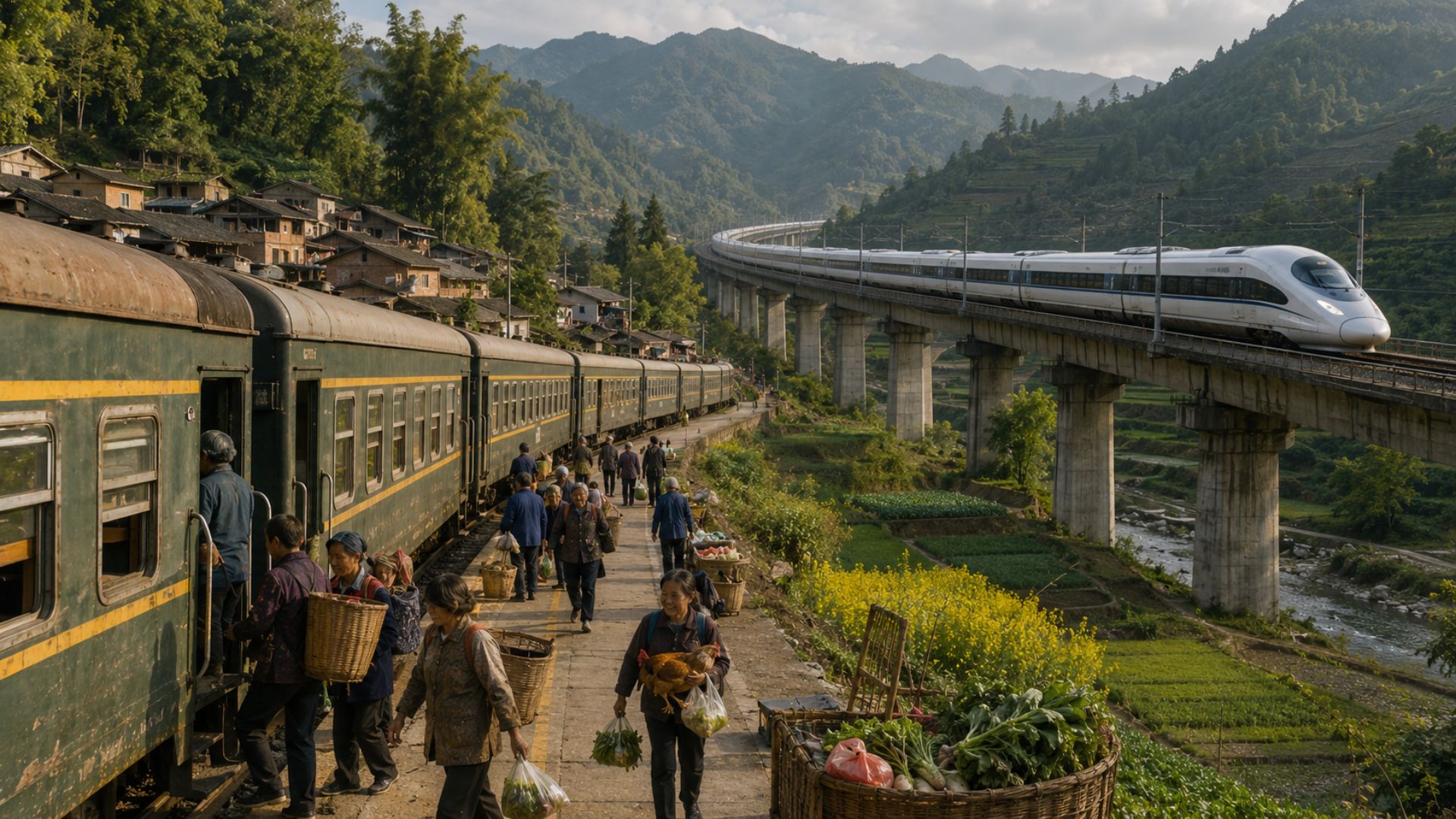
While showcasing bullet trains traveling at over 300 km/h, China maintains about 81 slow train lines that travel at 40 km/h, charge less than R$ 2 for a ticket, and cross remote villages carrying residents, students, and even chickens and vegetables to the market.


The proponents defended regional integration and requested political and institutional support to expedite the federal stage.
The ANTT has completed the analysis of technical, economic, and environmental feasibility and has forwarded the process to the Minister of Transport, who is assessing the project’s adherence to public policy before authorizing construction.
Regulatory Status and Estimated Timeline
According to the regulatory agency and specialized vehicles, the project has surpassed the feasibility phase and is now awaiting a ministerial decision.
There is no set date for authorization, but those responsible are working with an estimated timeline of up to eight years for construction and delivery after the federal “green light.”
Route, Stations and Metropolitan Integration


The route is estimated to be between 95 and 98 kilometers, with stations located at strategic points along the Salvador–Feira axis.
Studies indicate eight passenger stations and two freight yards (ten stops in total), although recent presentations also mention nine stations.
In Salvador, the main station would be located in Águas Claras, integrated with the metro, the VLT under construction, and the new bus station.
In Feira de Santana, the plan includes two stops, including a road-rail terminal for bus connections.
Travel Time and Speeds
The commercial operation aims to reduce the current travel time to 35 minutes, with passenger trains reaching speeds of up to 160 km/h and freight trains reaching 120 km/h.
The design combines intermunicipal express service with logistical function, increasing infrastructure usage throughout the day.
Demand and Job Creation
Projected estimates suggest 85 thousand passengers per day and the creation of more than 10 thousand direct jobs and about 50 thousand indirect jobs during implementation and operation.
The data comes from public presentations by TIC Bahia and local news reports.
Costs, Funding and Value Discrepancies
The reported investment varies by source.
Documents and recent reports cite R$ 6.8 billion as a reference for the work, while local presentations and statements from executives mention R$ 8 billion.
The modeling indicates private funding, with companies evaluating participation, subject to federal guidelines for authorized railway projects.
Estimated Fare and Comparison with Buses
The proponents are working with a fare estimated at around R$ 45 for the Salvador–Feira route, a value aligned with intermunicipal road transport references in the region.
The final price depends on the cost structure, the authorization contract, and any public policies.
Feira de Santana’s Role in the Regional Junction
The choice of Feira de Santana as the terminal point reinforces the municipality’s role as a distribution hub for the interior of Bahia and for interstate corridors.
The implementation of a road-rail station and future integration possibilities were highlighted by project advocates as elements that enhance Northeast connectivity.
Sustainability and Road Safety
In an environment of climate crisis and saturated highways, the studies presented argue that trains can reduce accidents and emissions per passenger compared to road transport, especially in electric operation and with high occupancy.
The decision regarding the energy matrix and operational standards, however, will only be known after the authorization and contracting phase.
What is Needed to Start the Work
To initiate the interventions, TIC Bahia needs to obtain authorization from the Ministry of Transport and meet technical, environmental, and financial requirements.
From there, it will be possible to detail the schedule, bidding processes, and construction milestones.
Meanwhile, entrepreneurs and local authorities are coordinating support and institutional mobilization to ensure that the project is prioritized.
Given the uncertainties about the final budget, the exact number of stations, and energy configuration, which of these points should be defined first for the train to get on track with transparency and predictability?






-

1 person reacted to this.