






 Portuguese
  Spanish


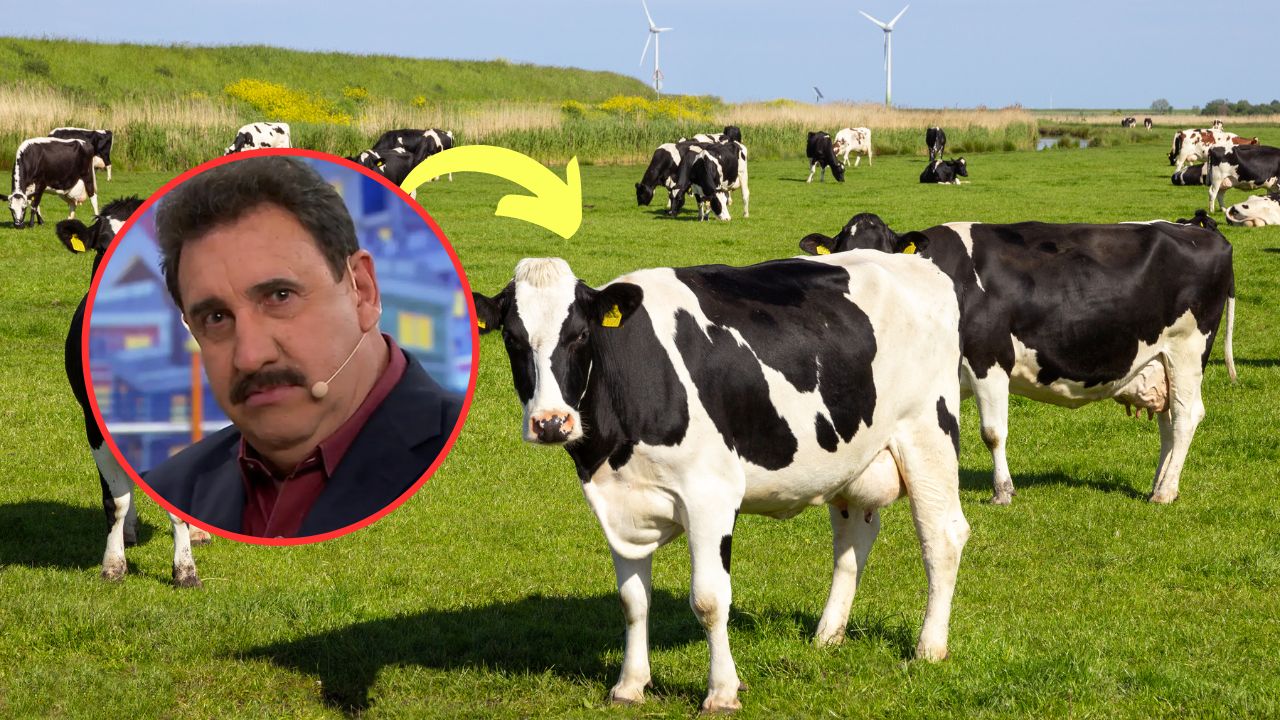

Ratinho Reveals Why He Decided to Reduce Cattle Raising on His Farms and Invest in Crops Like Soy, Corn, and Coffee, Highlighting Challenges in the Market and in Brazil.
The presenter Carlos Massa, known as Ratinho, decided to reduce his involvement in cattle raising on his farms.
In an interview, he explained that the entry of large companies, such as JBS (Friboi), changed the market landscape, imposing prices and making the activity less predictable for small and medium producers.
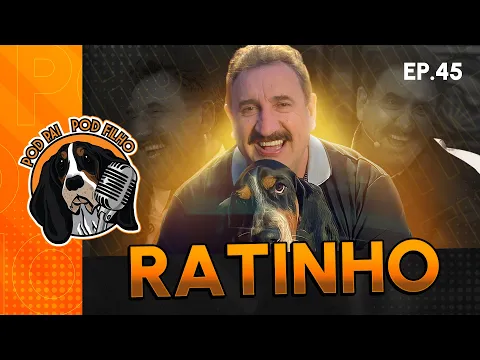
“When Friboi entered the business, I realized it would determine the price of meat. I said: I’m going to exit”, said Ratinho in episode #45 of the podcast Pod Pai Pod Filho.
-
India’s Sugar Export Cuts and Ethanol Shift Amid El Niño Threat Could Impact Global Prices and Stocks

-
Quarantine Pest Threatening Palm Trees Puts Brazilian Authorities on Alert, Prompts Monitoring at University of Taubaté and Potential Control Measures Across São Paulo
-
Global Alert: Report Finds 159 Pesticides in Coffee Beans Sold in Europe, Posing Serious Risks to Millions of Farm Workers
-
Low-Demand Brazilian Beef Offal Gains Popularity Abroad: Indonesia Purchases $19.5 Million, Boosting Revenue and Reducing Waste




Investing in More Stable Agricultural Crops
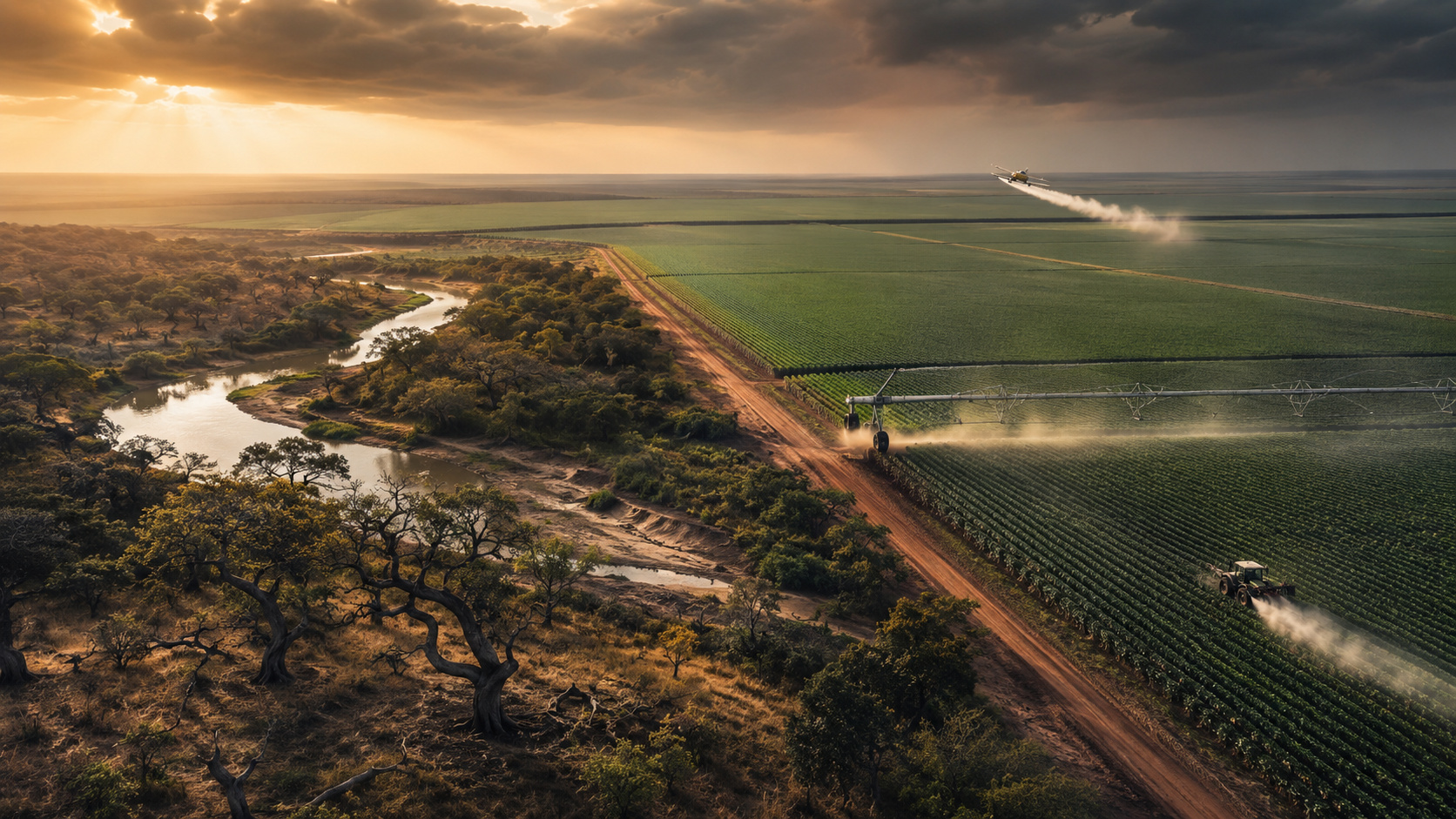
With the partial exit from livestock, Ratinho began investing in crops like soy, corn, and coffee.
According to him, these sectors offer greater stability in the face of price fluctuations that affect meat.
“I chose a more stable commodity, which is soy, corn, coffee.”
He cited Goiás as an example of transformation: “Goiás was a cattle state, but with Friboi, it determines the price. Then people began to exit. And Goiás started to bring soy as well, which is much more advantageous.”
Challenges in Brazil and Opportunities in Paraguay
In addition to market issues, the presenter highlighted legal insecurity in Brazil, especially concerning the MST (Landless Workers Movement). Ratinho stated that he would not buy new farms in the country today due to the lack of legal guarantees.
On the other hand, he pointed to Paraguay as a more interesting option for agribusiness, citing lower taxes and a more favorable investment environment. “There, the tax is much cheaper”, he commented.
Ratinho’s View on the Future of Livestock and Agribusiness
Ratinho believes that livestock in Brazil is facing structural changes, driven by large companies that set prices and centralize the market.
For him, this means that independent producers need to rethink their strategies and seek more stable alternatives, like agricultural crops.
According to the presenter, the transformation in states like Goiás shows that soy and other crops have become more advantageous than cattle, reflecting a trend of diversification in Brazilian agribusiness.
At the same time, he points out that the legal scenario and high taxes still pose significant challenges, encouraging producers to assess opportunities in other countries, such as Paraguay, which offers more favorable conditions for rural investments.
This analysis by Ratinho highlights that, even for experienced producers, agribusiness requires constant adaptation to market changes, legislation, and new economic demands.
Outlook for Agribusiness
Ratinho, who maintains a strong connection with the rural sector, continues to invest in agriculture and closely monitor market changes.
His decision to reduce participation in livestock reflects a strategic analysis in light of sector transformations and challenges faced by Brazilian producers.
The exit from livestock and the bet on stable agricultural crops demonstrate how producers and investors need to adapt to new market realities, seeking a balance between risk and profitability.









You’re so awesome! I don’t believe I have read a single thing like that before. So great to find someone with some original thoughts on this topic. Really.. thank you for starting this up. This website is something that is needed on the internet, someone with a little originality!