






 Portuguese
  Spanish


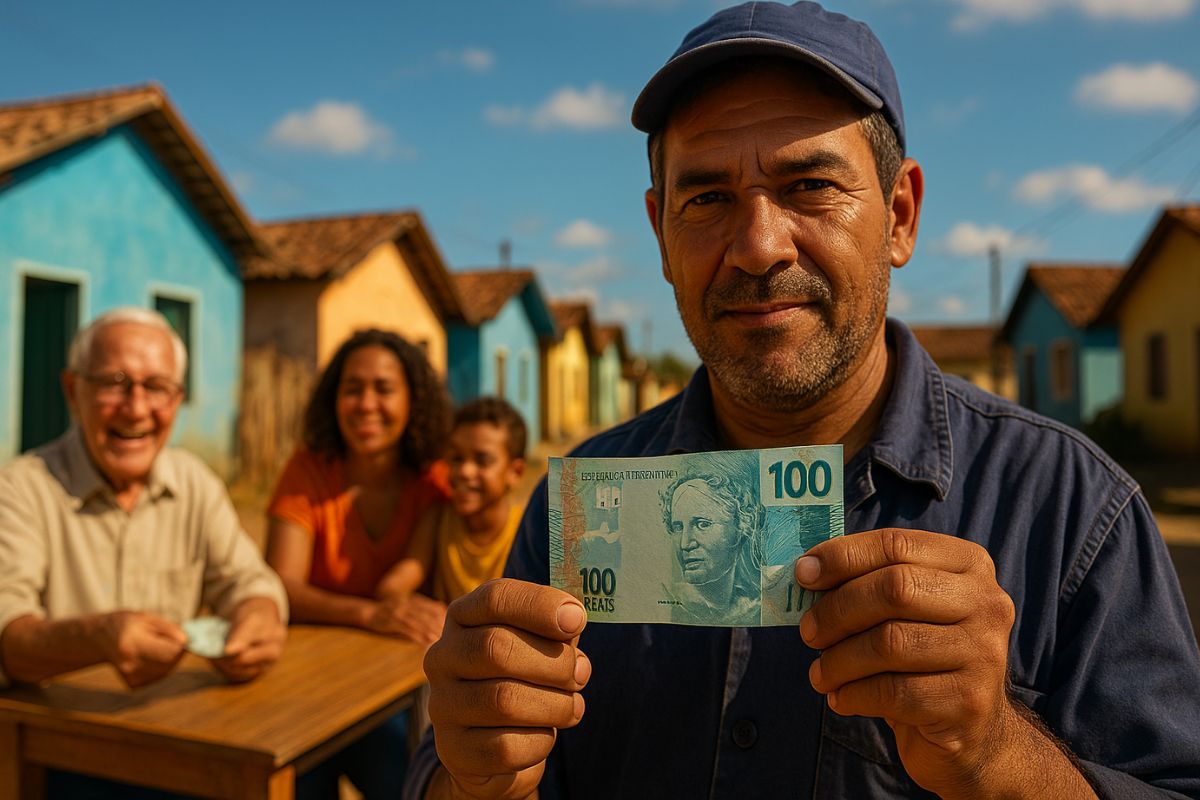


The New Adjustment of the Minimum Wage to R$ 1,918 Will Have a Direct Impact Not Only on Workers with a Signed CLT but Also on Retirees, Pensioners, and Beneficiaries of Social Programs, According to a Survey by Tribuna de Minas.
The announcement of the minimum wage adjustment represents one of the most relevant changes in the country’s social and economic policy in recent years. The updated amount is not limited to the earnings of formal workers: it directly influences the income of retirees, pensioners, and millions of Brazilians who depend on social programs, becoming a central instrument of protection against the loss of purchasing power.
According to Tribuna de Minas, the measure is strategic to balance purchasing power and the sustainability of public accounts, in a scenario of high inflation and constant fiscal pressures. The new amount of R$ 1,918 reflects the application of the criteria set forth in Law No. 15.077/24, which combines the inflation variation measured by the INPC and the real growth of GDP limited to 2.5%.
Who Will Benefit from the Minimum Wage Adjustment
The minimum wage adjustment is a measure that goes far beyond workers with a signed CLT.
-
China Tightens Control on Antimony, Driving Prices from $22,000 to Nearly $40,000 per Ton as U.S. Rushes to Bolster Strategic Reserves

-
BlackRock Freezes $1 Billion in Brazilian Renewable Energy, Impacting 1.5 GW of Planned Projects and Highlighting Investor Concerns Over Infrastructure Bottlenecks Cutting Up to 25% of Solar and Wind Generation
-
Labor Shortage: Despite Record Average Salary, 90% of Brazilian Bar and Restaurant Owners Struggle to Hire Key Roles Like Sushi Chefs and Head Cooks

-
Supermarket Deli Counter Attendants in Brazil Could Earn Over $2,100 Monthly by 2026, Plus Benefits Package


Retirees and pensioners of the INSS receive an automatic adjustment in their benefits, as no payment can be lower than the national minimum.
Another essential point is the impact on social programs, such as the Continuous Cash Benefit (BPC), which serves the elderly and people with disabilities in vulnerable situations.
Millions of low-income families will have their transfers adjusted, expanding social protection in a time of significant pressure on household budgets.
How Much the Minimum Wage Will Increase in the Coming Years
According to the Budget Guidelines Law (PLDO), prepared by the Ministry of Planning and Budget in conjunction with the Ministry of Finance, the minimum wage adjustment will follow a multi-year schedule:
- 2026: R$ 1,631
- 2027: R$ 1,724
- 2028: R$ 1,823
- 2029: R$ 1,925
These projected values represent a cumulative increase of 26.8% compared to the current minimum, ensuring progressive gains until the end of the decade.
For the population, it means financial predictability; for the government, greater clarity in budget planning.
Why the Minimum Wage Adjustment Is Important for the Economy
The impact of updating the minimum wage is multifaceted. For formal workers, the minimum wage adjustment ensures a minimum income capable of covering basic expenses, such as food, housing, and health care.
For retirees, it means assurance that their earnings will not lose real value.
For beneficiaries of social programs, it represents greater purchasing power and protection in crisis scenarios.
Government studies indicate that every additional real in the minimum wage injects billion reais into the economy, particularly strengthening sectors such as commerce and services that rely on popular consumption.
This multiplier effect makes the minimum wage one of the most relevant tools in combating inequality in Brazil.
Criticisms of the Minimum Wage Adjustment
Not all experts agree with the adopted model.
Economists linked to the market warn that continuous increases above labor productivity may pressure public accounts, raise the fiscal deficit, and hinder inflation control.
On the other hand, unions and social movements argue that the minimum wage is still far from the value necessary to support a Brazilian family with dignity, advocating that the minimum should be increased more rapidly.
The Role of Congress in Approval
The text of the adjustment will be analyzed by the Mixed Budget Commission (CMO).
The rapporteur, Congressman Isnaldo Bulhões Jr. (MDB-AL), is coordinating the next steps in the National Congress.
If approved without significant changes, the country will have for the first time a multi-year forecast of the minimum wage until 2029, bringing greater stability for both public accounts and the population’s finances.
The minimum wage adjustment to R$ 1,918 goes far beyond a numerical adjustment: it directly affects millions of workers, retirees, pensioners, and families dependent on social programs, becoming a policy of significant economic and social reach.
The measure could stimulate consumption, reduce inequalities, and reinforce the role of the minimum wage as one of the pillars of social protection in Brazil.
Do you think that the minimum wage adjustment will really relieve households’ finances, or is it still far from the ideal value to cover basic expenses? Leave your opinion in the comments — your experience can enrich this debate.


