Portuguese
  Spanish



During COP 30, Brazil Launches the RAIZ Initiative, Strengthening the Recovery of Degraded Areas with a Focus on Sustainability, Innovation, and Green Economy in Partnership with Global Institutions
The recovery of degraded areas gains global prominence with the launch of the RAIZ (Resilient Agriculture Investment for Net Zero Land Degradation) initiative, which will be presented by Brazil during the 30th United Nations Climate Change Conference (COP 30) in Belém (PA), according to a report published.
The proposal, led by the Ministry of Agriculture and Livestock (Mapa), aims to mobilize financial and technological resources to restore degraded soils and promote a more sustainable agriculture, bringing together efforts from countries and international institutions.
It is estimated, according to the United Nations (UN), that about 2 billion hectares on the planet are degraded, directly affecting 3.2 billion people.
-
Green Roofs on Homes Gain Popularity for Reducing Heat, Noise, and Rain Impact in Brazil

-
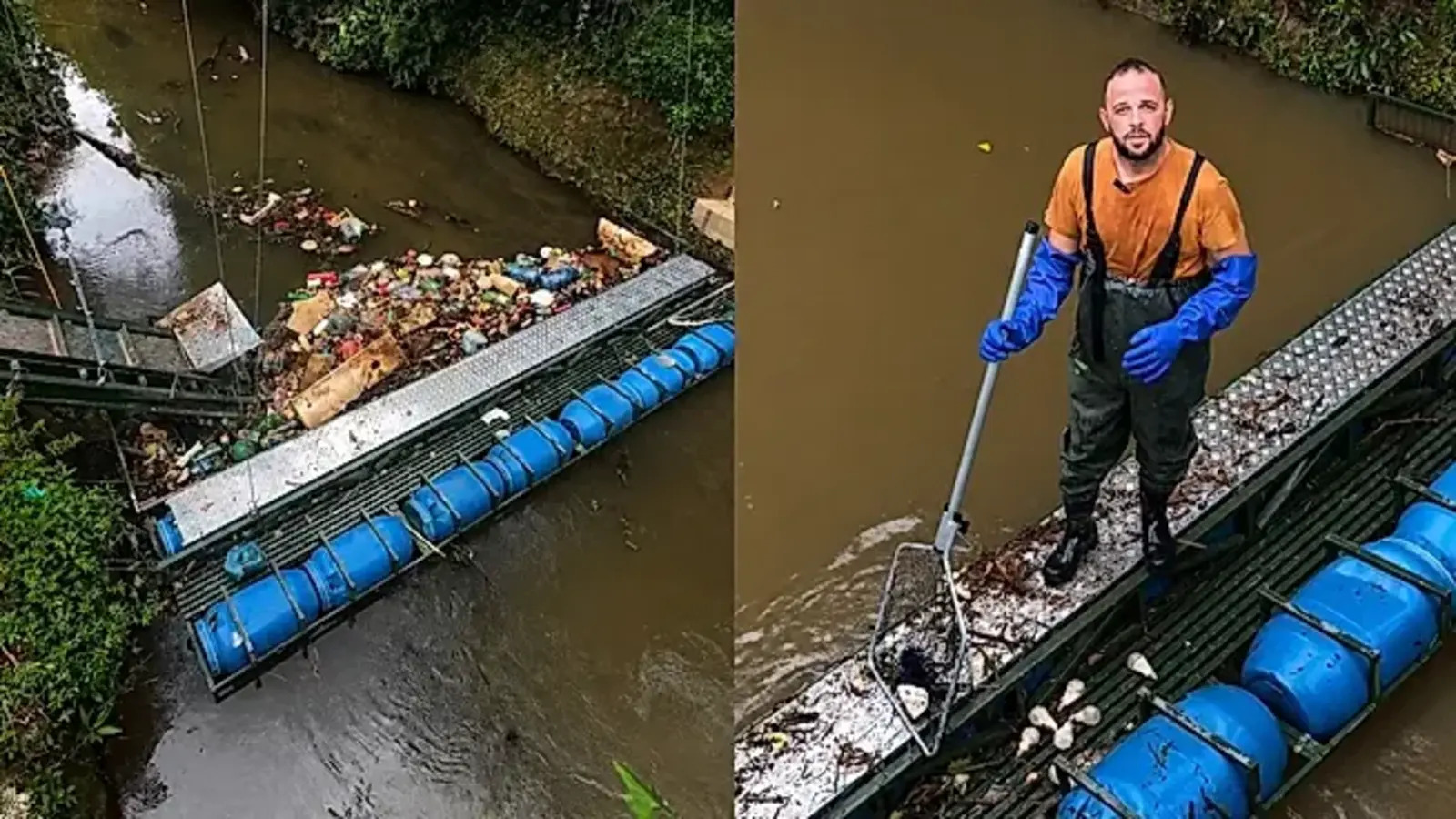
Brazilian promises his children to save a river, creates an eco-barrier in his backyard, has already removed more than 40 tons of trash from the water, and even inspires the idea in other states of the country.

-
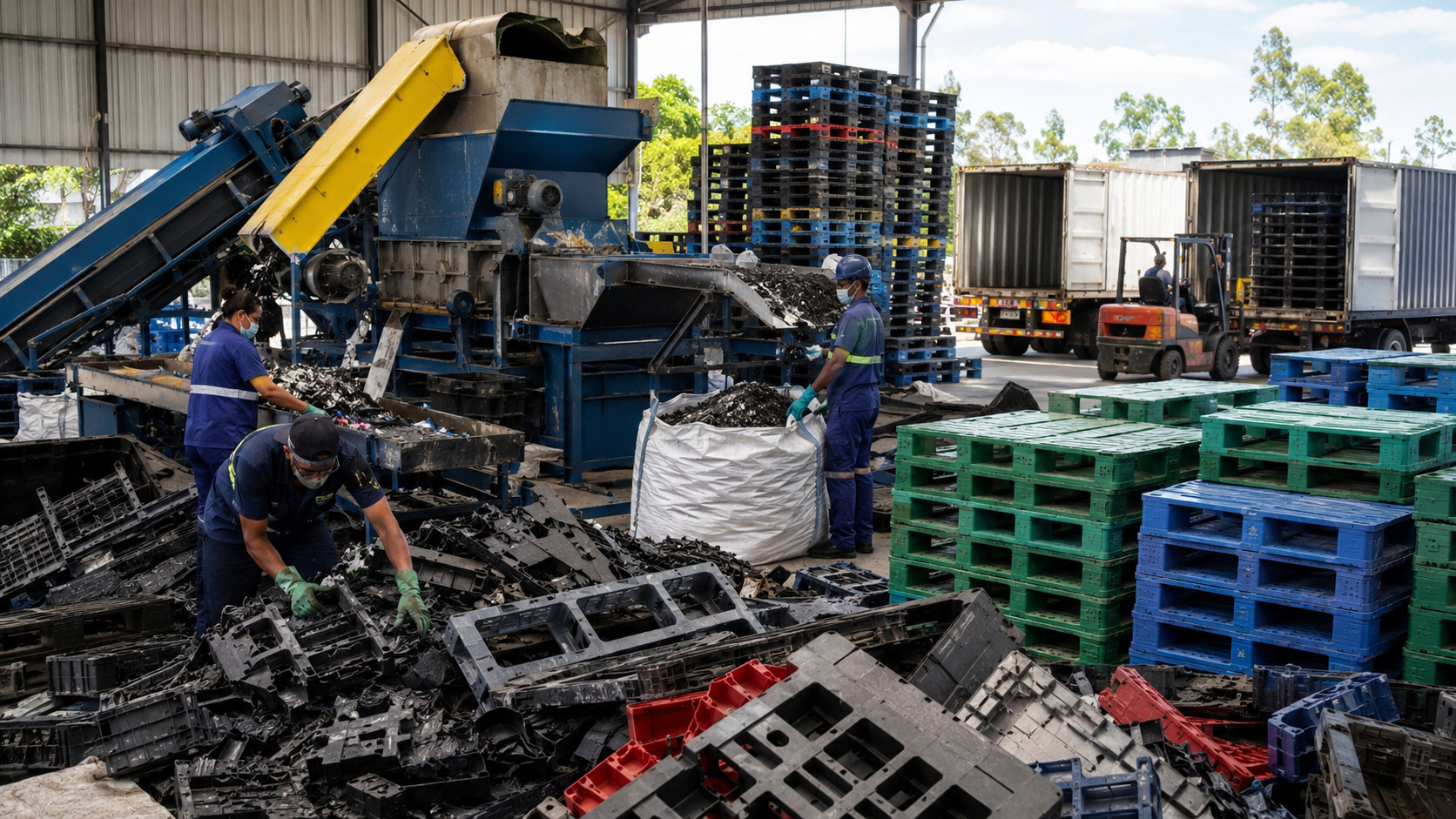
How a Brazilian company created a system that transforms broken pallets of any brand into new assets, recycles 80 tons of plastic per month, and found a profitable solution to a problem that challenges industries across the country.
-
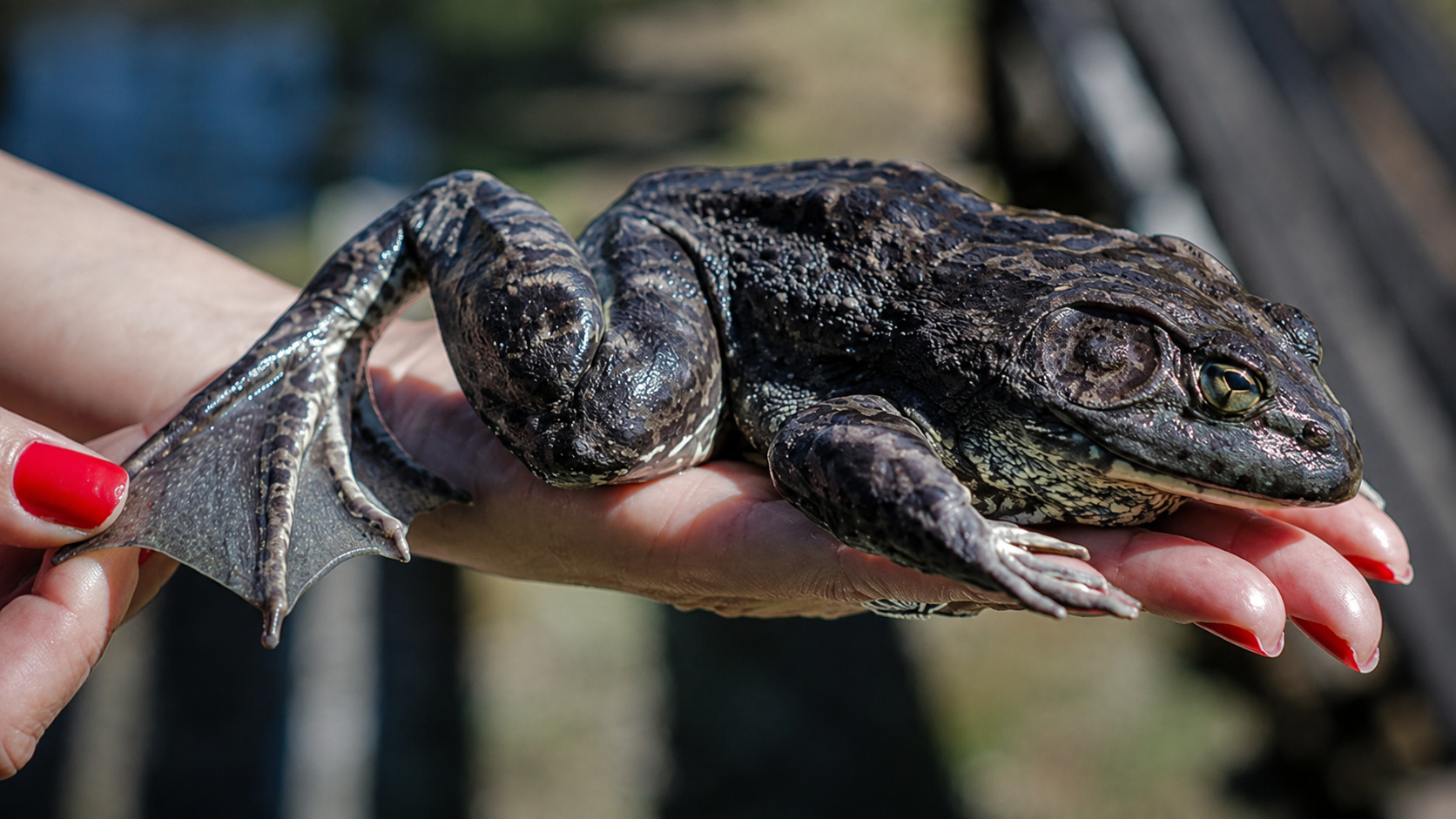
Invasive bullfrog capable of devouring other amphibians and laying up to 20,000 eggs is found in Florianópolis, raising an alert about the threat to native fauna.

This scenario raises a global alert for the urgent need to halt the loss of productive ecosystems.
FAO data indicate that 10 million hectares of forests are deforested each year, while Global Forest Watch (2024) recorded 6.7 million hectares of primary tropical forests lost in the last period alone.
Minister Carlos Fávaro emphasizes that RAIZ is a symbol of Brazil’s contribution to a low-carbon economy, where one of the objectives is the recovery of degraded areas.
According to him, the country is prepared to share sustainable solutions and technologies with the world, demonstrating that it is possible to reconcile productivity, food security, and environmental preservation.
Sustainable Agriculture and Global Food Security
RAIZ connects directly with the challenge of ensuring food security amid climate change.
The initiative, technically supported by FAO and other multilateral organizations, aims to integrate successful experiences of sustainable agriculture already implemented in Brazil, expanding the reach of programs aimed at soil restoration and rural development.
The goal is to unite governments and financial institutions to accelerate actions with positive impacts and replicate successful production models in other continents.
Recovery of Degraded Areas and Green Economy
Among the programs that will be strengthened by RAIZ is the Green Path Brazil, created by Decree No. 11,815/2023, which aims to recover 40 million hectares of degraded pastures or low-productivity areas in ten years.
The program offers credit with reduced interest rates to producers who adopt sustainable practices and meet environmental requirements.
In its initial phase, it has R$ 30.2 billion raised through Eco Invest Brazil, aiming to restore up to 3 million hectares.
There are also negotiations with the Japan International Cooperation Agency (JICA) to increase investments and accelerate results.
These actions reinforce Brazil’s role as a global leader in the recovery of degraded areas, promoting the transition to a green and low-carbon economy.
The proposed model combines environmental sustainability, economic profitability, and social inclusion, essential pillars for the future of the global agribusiness.
Technological Innovation and International Cooperation
Another highlight is the Living Soil program, launched in Mato Grosso, which uses digital technologies and free training to improve soil management and increase productivity.
With an investment of R$ 42.8 million, the project benefits a thousand farming families in ten municipalities, in partnership with the Federal Institute of Mato Grosso (IFMT) and the Federation of Agriculture Workers (Fetagri-MT).
The program combines innovation and science to revitalize the countryside and support the recovery of degraded areas, strengthening rural communities and generating sustainable income.
During COP 30, Brazil will present RAIZ as a platform for international cooperation that connects regenerative agriculture, green economy, and technological innovation.
This convergence positions the country as a protagonist in the recovery of degraded areas and in building a global model of sustainable production that combines environmental well-being and economic development.