Portuguese
  Spanish


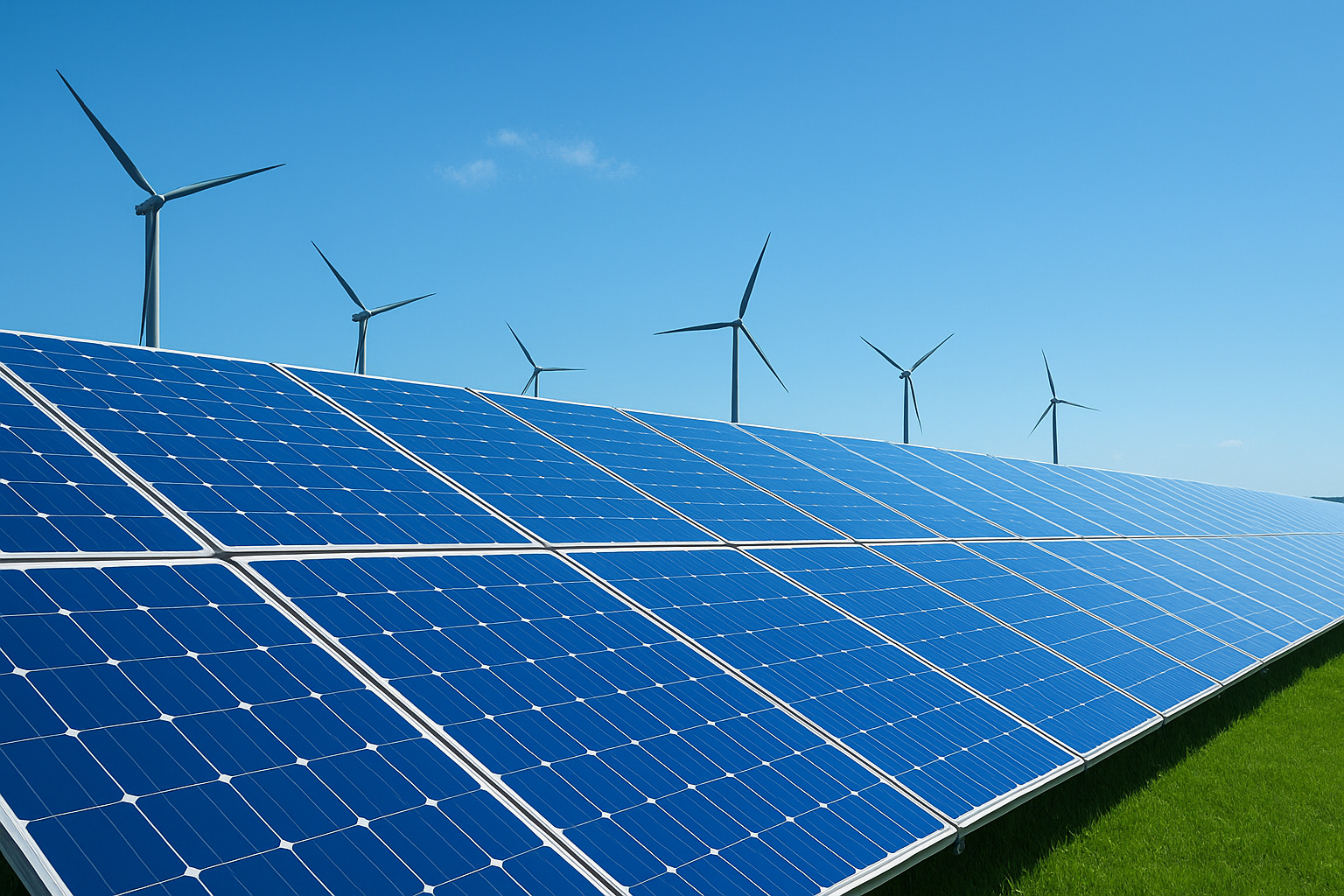

Boost Clean Energy Operations With R$ 360 Million From BNB For Modernization And Innovation In Northeast Brazil.
Brazil has always had a huge potential for clean energy production; however, only in recent decades has the sector begun to receive structured attention and investments.
Furthermore, the Northeast region stands out as a strategic area, thanks to its abundance of natural resources, such as wind, sun, and rivers suitable for generating electricity.
With advancements in technology and the growing demand for sustainable energy, modernizing clean energy operations has become essential to ensure the reliability of the electric system and, thus, boost the economic development of the region.
-
Ceará brings together 7 giants and R$ 66 billion to transform Pecém into the largest green hydrogen hub in Brazil, with final decisions expected by the end of 2026.

-
Scientists Convert Factory Waste Heat into Hydrogen Using Perovskite Catalyst at Significantly Lower Temperatures

-
Airbus and MTU Launch Joint Venture to Advance Hydrogen-Powered Electric Aircraft Engines, Paving the Way for a New Era of Low-Emission Commercial Aviation
-
In a Place Many Doubt Solar Power Works, 360 Panels Operate in the Arctic, Harnessing Reflected Snowlight to Reduce Diesel Use at an Isolated Station
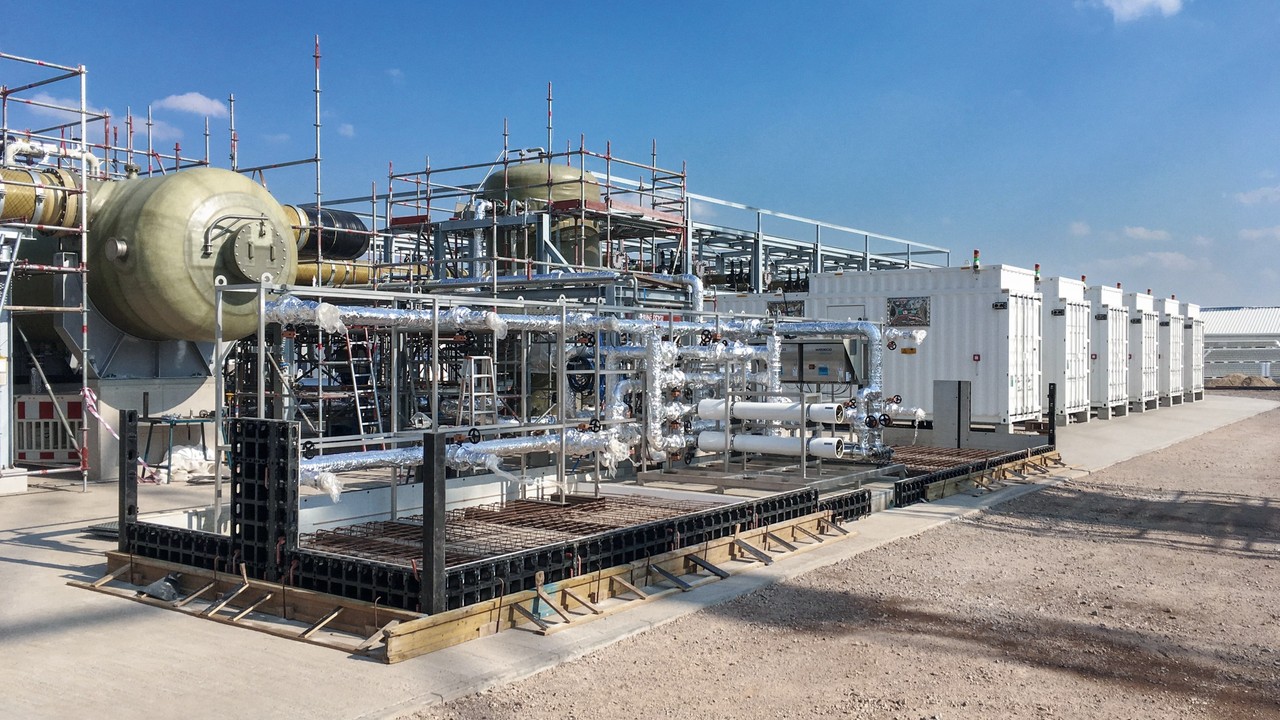



In 2026, the Bank of the Northeast (BNB) will make approximately R$ 360 million available to stimulate transmission and distribution projects for energy from renewable sources.
These resources come from international agreements, such as the Inter-American Development Bank (IDB), and from the Renewable Energy Integration program of the Climate Investment Funds (CIF-REI), totaling US$ 67 million.
Therefore, this initiative demonstrates how strategic investments can accelerate the integration of clean technologies into the Brazilian electric system, especially in regions with high sustainable potential.
Historically, the Brazilian energy matrix has undergone significant transformations; in the 20th century, the country focused mainly on expanding hydropower, which became the foundation of electric generation.
However, in recent decades, the global landscape began to value alternative sources, driven by the urgency to reduce carbon emissions and the search for greater energy security.
In this context, clean energy operations have taken on a central role, encouraging investments in solar, wind, biogas, and other innovative technologies.
Northeast: Strategic Hub for Renewable Energy
The Brazilian Northeast has been standing out in this movement; therefore, the region has favorable climatic conditions for wind and solar generation, becoming a strategic hub for renewable energy projects.
With the resources from BNB, the generation capacity will grow and the modernization of the transmission and distribution of electricity will advance.
Thus, more cities and communities will have access to reliable and sustainable energy, while environmental impacts remain reduced.
During the event “The Northeast is Brazil,” promoted by Brazil Journal in Salvador, representatives from BNB and IDB highlighted the importance of this investment for the region’s energy future.
Additionally, the president of BNB, Wanger Rocha, stated that the program strengthens the reliability of energy supply and creates a more modern, efficient, and resilient system.
He emphasized that the modernization of clean energy operations includes storage batteries, green hydrogen, smart grids, and automation systems.
Therefore, these elements are strategic for consolidating the stability of the national energy matrix.
BNB has structured financing to meet private companies interested in acquiring equipment and technologies aimed at modernizing renewable energy generation.
This approach includes automation of transmission and distribution processes, as well as solutions for efficient storage.
Thus, the initiative not only promotes sustainability but also strengthens the electric sector, making it more competitive and innovative.
Moreover, professional training proves essential; therefore, with the new investments, there will be increased demand for specialized technicians, engineers, and managers knowledgeable in clean energy systems.
As a result, these opportunities create jobs and foster the development of local skills, allowing the region to become a national reference in energy innovation.
Sustainability And Economic Development
BNB’s resources reinforce Brazil’s strategic commitments to sustainability and the reduction of greenhouse gas emissions.
Thus, modernizing clean energy operations helps the country meet its environmental goals and creates economic opportunities in regions historically lacking investment in infrastructure.
Therefore, this approach combines economic development with environmental preservation, consolidating the Brazilian model of sustainable energy.
The project is based on the CIF-REI Investment Plan, coordinated by the ministries of Finance, Mines and Energy, and Science, Technology and Innovation, with technical support from IDB and the World Bank.
Additionally, the Renewable Energy Integration Program of the Northeast (CIF-REI/NE) complements other initiatives, such as the Productive Development Program of the Northeast Region (Prodepro), approved in 2023 by IDB.
Thus, together, these actions form a consistent strategy to promote clean energy operations and increase the share of renewable sources in the Brazilian electric matrix.
Past experiences have shown that structured investments can transform a region’s reality.
In the Northeast, solar and wind energy projects have generated jobs, stimulated technological development, and reduced dependence on fossil fuels.
Therefore, with the support of BNB, the next modernization cycle will have an even greater impact, consolidating the region as a reference hub for innovation and sustainability.
Additionally, the expansion of clean energy operations encourages the creation of startups and innovative companies in the energy sector.
New business models, energy efficiency solutions, and storage technologies are beginning to emerge, stimulating the local economy and promoting a sustainable production chain.
As such, this multiplier effect reinforces the importance of strategic investments in the sector.
Democratization Of Access To Energy
The modernization of clean energy operations by BNB does not only benefit large companies; moreover, it strengthens the energy supply for smaller communities, schools, hospitals, and rural areas.
As a result, this expanded access generates direct social benefits, improves quality of life, and boosts local development, creating a virtuous circle of economic and environmental progress.
Besides efficiency and reliability, the modernization of energy operations prepares the Brazilian electric system for future challenges.
Therefore, the integration of digital technologies and smart systems allows managers to monitor energy more quickly, reduce losses, and optimize distribution.
Thus, this digital transformation keeps the country competitive and aligned with global trends in sustainable energy.
Investing in clean energy operations also reduces system vulnerabilities.
With modern and smart networks, failures and interruptions occur less frequently, ensuring continuous supply during critical moments and minimizing socioeconomic impacts, especially in remote areas or those with limited infrastructure.
The Role Of BNB And The Future Of Clean Energy
BNB acts as a catalyst for investments in clean energy, demonstrating how financial institutions can promote innovation and sustainable development.
Additionally, the availability of financial resources, coupled with strategic policies and international partnerships, strengthens the Brazilian energy matrix and ensures that the country advances in the transition to renewable sources.
Thus, the clean energy operations modernized by the program consolidate a more sustainable, efficient, and inclusive future for the entire population.
In summary, the R$ 360 million made available by BNB represents more than just financing; therefore, it symbolizes a commitment to the future, to sustainability, and to the economic development of the Northeast and Brazil as a whole.
Through the modernization of clean energy operations, it will be possible to integrate technology, efficiency, and environmental responsibility, ensuring a robust, safe, and accessible electric system for future generations.
Thus, this historic movement reinforces the importance of investment in renewable energies as a pillar of sustainable progress in the country.