Portuguese
  Spanish


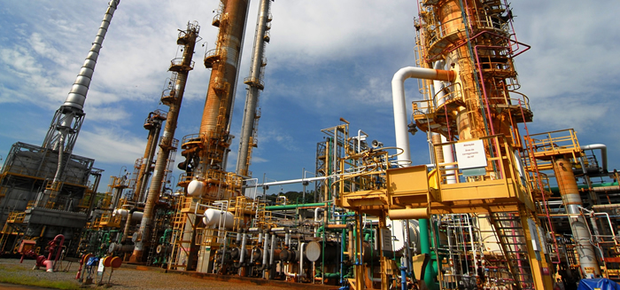

Fuel Discharge by Ships Increases Petrobras’ Competitiveness in Cabotage. The Duque de Caxias Refinery (Reduc) Has the Capacity to Produce 150 Thousand m³ of Diesel S10 per Month
Petrobras informs in a relevant fact that on August 9, its Duque de Caxias Refinery (Reduc) completed its first cabotage (maritime transport within the country’s coastal waters) operation of Diesel S10. STF Rules and the Government of Rio Will Have to Pay R$ 2 Billion in Indemnity for Expropriation of Land from the Manguinhos Refit Refinery
Check Out Job Openings and Other News About Petrobras
- Rio de Janeiro: Guanabara Bay Becomes a “Ship Cemetery”
- Petrobras Starts Selling Five Oil Fields, Pipelines, and a Terminal in Espírito Santo
- Recruitment and Selection to Work in Maintenance Shutdown at Petrobras Refinery – REFAP, on this day
- Over 200 Openings for Candidates Without Experience! Ambev, the Largest Beverage Company in the World, Starts Recruitment for Its Internship Program 2020
The operation included a shipment of 25 thousand cubic meters of diesel to the Aquatic Terminal of Guanabara Bay – RJ, from where the product was transported by ship to the Port of Paranaguá – PR.
The Duque de Caxias Refinery (Reduc) has the capacity to produce 150 thousand m³ of Diesel S10 per month. According to Petrobras’ report, until the first half of this year, the segregated internal logistics system for Diesel S10 operation only allowed pumping movements to distribution companies around the refinery.
-
Brazil’s ANP Opens 86 New Oil Blocks in the Equatorial Margin, Expanding the Amazon River Mouth Frontier

-
OPEC+ Boosts Oil Supply by 188,000 Barrels per Day in July 2026, Leading to Price Drop from $112 to $89 per Barrel in Under Two Months

-
TotalEnergies Signs 20-Year Deal to Purchase 2 Million Tons of LNG from Alaska, Boosting Project Viability
-
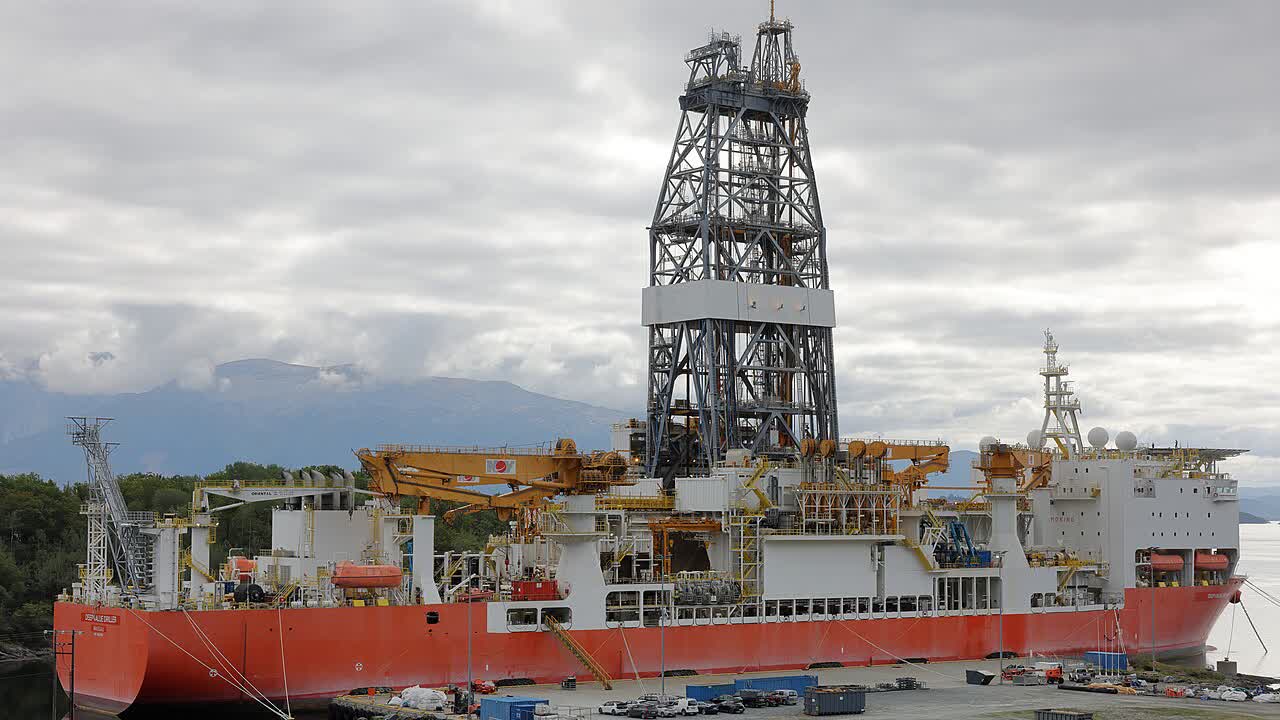
Turkey Deploys Çağrı Bey Drilling Ship to Explore New Oil Frontier Off Somalia’s Coast

With the pandemic caused by the new coronavirus and the reduction in diesel demand in the Rio de Janeiro region, the Duque de Caxias refinery (Reduc) carried out internal maneuvers and ballast adjustments to enable fuel discharge through its interconnection with the Aquatic Terminal of Guanabara Bay, where cabotage and export operations of other products, such as fuel oil export, bunker 0.5%, gasoline S10, petrochemical naphtha, maritime diesel, and S500, are already normally conducted.
“New cabotage operations are already being scheduled with the Diesel S10 produced at Reduc. With the current levels of local demand, the Duque de Caxias refinery is capable of cabotaging between 60 and 70 thousand m³ of the product per month,” explains the Production Scheduling Manager at Reduc, Gabriel Amorim.
About the Diesel Market
“The availability of this volume directly impacts the reduction of imported volume to meet the national diesel market and increases Petrobras’ competitiveness against sector importers,” stated the state-owned company in a communication.
According to Adriano Cesar de Medeiros Valentim, Production Scheduling Manager in the Industrial area, “given the recovery of the Diesel S10 market in Brazil, the discharge of S10 by Reduc to support cabotage areas or even to support markets with higher demand allows Petrobras to be even more competitive and increases the reliability of diesel supply, also enabling the refinery’s utilization factor to rise.”