Portuguese
  Spanish


The United Kingdom made a decisive advance in its clean electricity plan.
The British government confirmed new contracts that will boost wind energy produced at sea.
After a record auction, the country secured the construction of enough offshore farms to supply 12 million homes.
Since the announcement, authorities have emphasized that the contracted volume positions the country even closer to its goal of eliminating emissions in the electricity sector by 2030.
According to the government, the projects total around £22 billion in investments, reinforcing investor confidence in the sector.
Auction Sparks Intense Competition
The bidding process was the most competitive ever held for renewables in British territory.
Several companies in the energy sector competed for contracts that guarantee a minimum price for electricity generated in the future.
This way, developers gain financial predictability and can accelerate construction without fear of market losses.
-
Brazil filled the Northeast with wind turbines but now faces the side effect of 705 giant blades reaching the end of their lifespan by 2032 just in Rio Grande do Norte, while the world projects 43 million tons of waste by 2050.

-
Brazil has filled the Northeast with wind turbines, but now it faces the side effect of 705 giant blades reaching the end of their useful life by 2032 just in Rio Grande do Norte, while the world projects 43 million tons of waste by 2050.
-
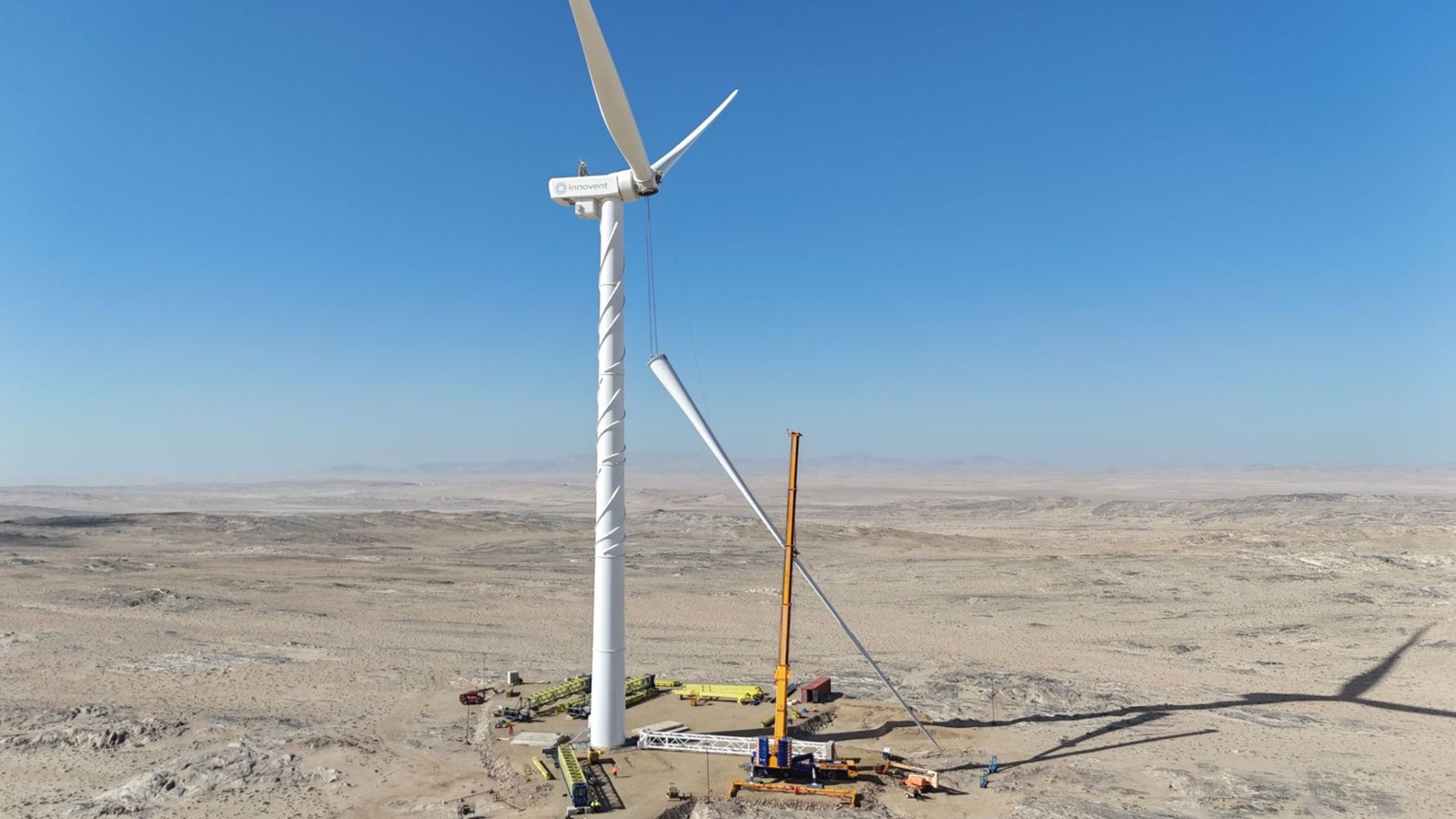
Wind farm in Namibia will have wind turbines assembled without giant cranes and is expected to avoid 200,000 tons of carbon dioxide per year when it becomes operational.

-
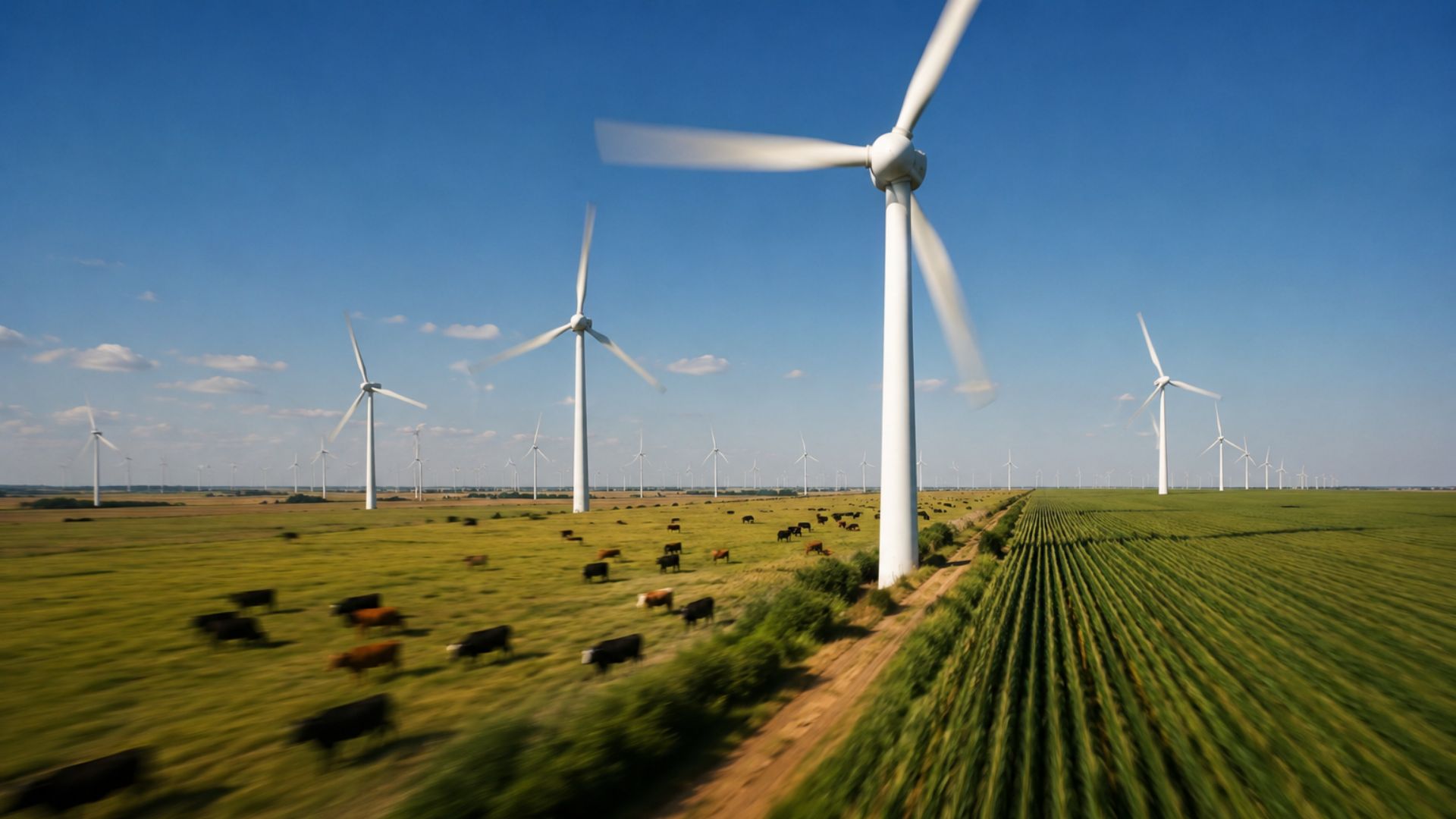
Taller than the Statue of Liberty, thousands of wind turbines are being planted in the middle of U.S. fields, creating two-story farms where corn and soybeans grow below while the wind turns into electricity above.


In addition, the government made the auction even more attractive by doubling the available funding.
Consequently, the number of approved projects exceeded initial estimates and highlighted private appetite for wind energy.
Therefore, experts state that the event marks a new level for renewable auctions in the United Kingdom.
Eight Projects Come to Life
In total, eight wind farms received contracts in this round.
These projects represent the largest offshore delivery authorized in a single phase in the country.
With turbines installed at sea, the farms take advantage of stronger and more consistent winds than those found on land.
In parallel, a large portion of this energy will be directly integrated into the national grid.
This way, the country reduces dependence on natural gas and increases the share of renewables in the energy mix.
Therefore, the contribution of wind energy is expected to grow continuously over the next few years.
The Clean Electricity Goal Gets Closer
The announcement reinforces the United Kingdom’s strategy to lead the energy transition among developed economies.
Since 2020, the country has been expanding its wind capacity and creating programs aimed at energy storage and smart grids.
Still, authorities acknowledge that challenges remain.
Expansion requires larger and more stable transmission infrastructure.
Additionally, there will be a growing demand for skilled professionals and specialized suppliers.
Nonetheless, the government argues that the contracted volume puts the country on a secure path toward emissions neutrality in the electricity sector.
Economic and Environmental Benefits Accumulate
The expansion of offshore wind energy brings direct and indirect benefits.
The sector creates local jobs, strengthens industrial chains, and reduces the need to import fossil fuels.
At the same time, it helps stabilize energy prices, as it does not depend on international oil and gas fluctuations.
With this, the United Kingdom consolidates its competitive advantage by attracting global companies to develop advanced wind technologies.
Moreover, experts state that projects of this scale could transform the country into an exporting hub in the future.
The contracts were confirmed by the United Kingdom government in early 2026, shortly after the most competitive auction ever held in the country.
The round approved eight offshore wind farms, with estimated investments of £22 billion, and the capacity to serve 12 million homes.
Therefore, wind energy becomes a central element in the UK’s path toward a completely clean electricity system by 2030.