






 Portuguese
  Spanish


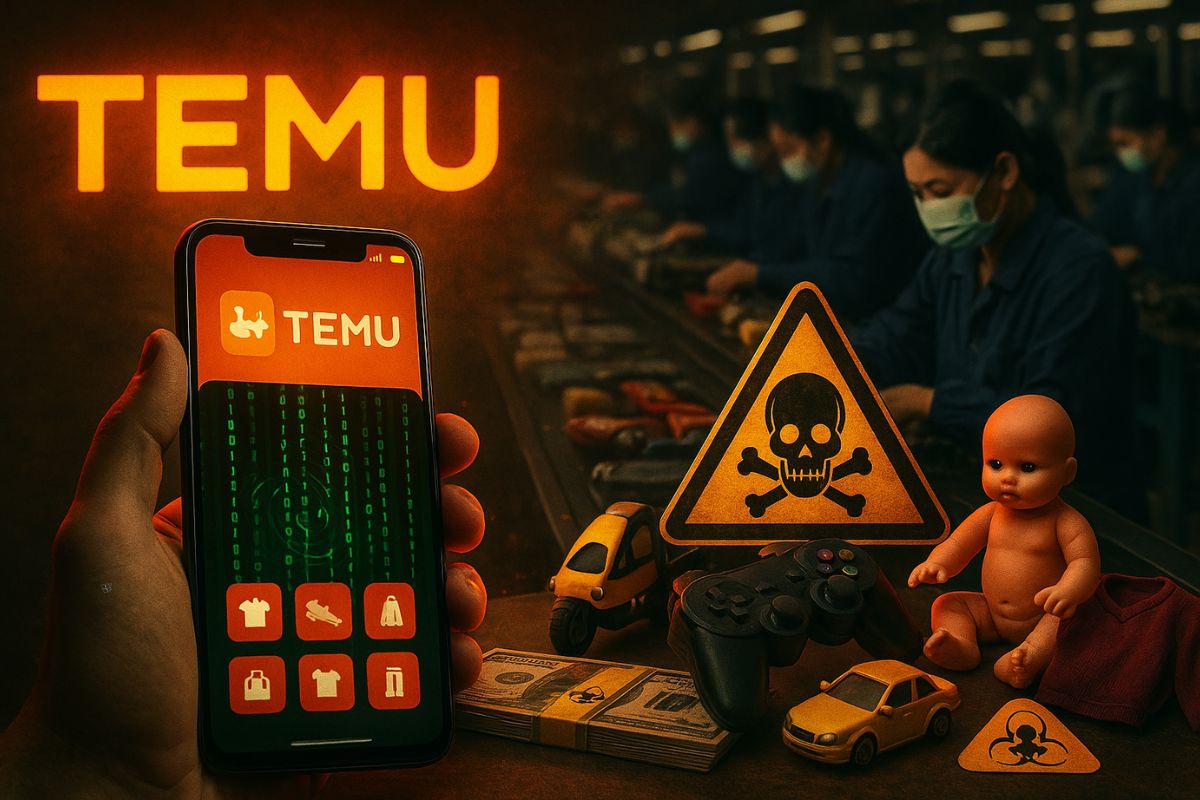


According to Investigations, Temu Collects Excess Data, Sells Personal Information, Markets Products with Toxic Substances, and Is Accused of Exploiting Workers.
The Temu, a Chinese e-commerce platform, has gained global traction with rock-bottom prices, aggressive marketing campaigns, and promises of free products. Since 2022, the company has been expanding operations and has arrived in Brazil with omnipresent advertisements. However, international reports and consumer complaints indicate that behind the promise of democratization of consumption lie serious risks of digital espionage, toxic products, and worker exploitation.
According to experts cited in international investigations, the app was classified as potentially malicious in security tests and has accumulated complaints on consumer defense websites, raising doubts about the actual reliability of the service.
Who Is Investigating Temu and What Has Been Discovered
Reports from Grizzly Research and tests from Joe Sandbox revealed that Temu requests virtually all permissions from a mobile device — camera, microphone, contacts, and location.
-
Brazil’s Federal Revenue Auction: iPhone 13 for $95, PlayStation 4 for $80, and Volkswagen Jetta for $2,600 Among 232 Lots Available

-
Tech Giant Oracle Lays Off 21,000 Employees and Invests $70 Billion in Artificial Intelligence

-
Chilean Giant Acquires St. Marche, Expanding from Discount to Premium Supermarkets in São Paulo’s High-End Retail Market
-
After 60 Years of Selling Cheap Milk, Brazilian Family Invests in $4,000 Equipment to Transform Farm’s Milk into Premium Sweets, Producing 2 Tons Daily and Aiming for $6.4 Million


The app received a score of 68 out of 100 for malicious software behavior, showing signs of spyware.
Encrypted files and executables without clear function were identified, increasing suspicions that Temu may act as a tool for collecting sensitive data.
This warning places the company on the same level of concern as other Chinese applications, but with an even greater degree of risk.
How Much Consumers Complain and Why
In Brazil, the site Reclame Aqui gives Temu a score of only 4.9/10. The main complaints involve misleading advertising, products different from those advertised, and undelivered items.
Many consumers report receiving miniature versions or even printed photos of the items purchased.
Furthermore, the strategy of “free prizes” acts as a trap: to release the item, the user must spend equivalent amounts on purchases.
Cases of influencers being paid to fake satisfaction, in exchange for commissions of up to 30%, have also been reported.
Where Are the Biggest Health Risks
The European Union launched an investigation against Temu after detecting toys and utensils with toxic substances at alarming levels.
The study by Think Chemicals found phthalates at concentrations up to 240 times the legal limit, compounds associated with cancer, neurological damage, infertility, and liver and kidney problems.
These products were freely available on the platform, without proper oversight, prompting authorities to reinforce warnings against risks to public health.
Why There Are Reports of Worker Exploitation
Reports from outlets like the New York Times have exposed allegations of labor exploitation within Pinduoduo Holdings, the parent company of Temu.
Employees reported working hours of up to 380 hours per month, under conditions more severe than the “996” system (12 hours a day, 6 days a week).
Instances of fainting, extreme exhaustion, and even suicides have been recorded, highlighting an unsustainable pressure on workers who facilitate the platform’s logistics.
Is It Worth the Risk in Cheap E-Commerce?
Despite its initial success, reports and complaints reveal that Temu involves risks that go far beyond delivery delays.
The accusations of digital espionage, contaminated products, and labor exploitation raise serious doubts about the true cost of cheap consumption.
The very promise of low prices can turn out to be expensive when considering the impacts on health, privacy, and labor rights in conjunction.
The image of Temu as an accessible solution for online shopping is increasingly tarnished in the face of technical reports, official investigations, and thousands of consumer complaints.
In this case, cheap can pose risks to health, digital security, and workers’ dignity.
Would you risk your data and health to take advantage of Temu’s low prices? Or do you believe that these risks make the platform unviable? Leave your opinion in the comments — we want to hear your experience up close.







Temu Global es un Esquema Ponzi. No pagan
Hoje foi a minha ultima compra depois de saber disso.
Ótima reportagem parabéns!! Não comprei e não compraria jamais depois desse alerta.