





 Portuguese
  English
  Spanish
  5 min of reading
  0 comments


Greece prepares to drill its first deep-water well, diving deep into the Mediterranean in search of natural gas and debuting in a high-stakes game dominated by very few companies worldwide.
For a country, discovering energy beneath its own sea can be a game changer. This is precisely the dream driving Greece now. The country has hired a specialized driller to bore what will be its first deep-water well, diving deep into the Mediterranean in search of natural gas hidden beneath the seabed.
It’s quite a debut. Deep-water drilling is a challenging and expensive territory, dominated by a few companies with the necessary technology and experience. Seeing Greece enter this game shows the confidence that there might be an energy treasure down there, capable of changing the country’s economy and strategic position in Europe.
The challenge of drilling the seabed
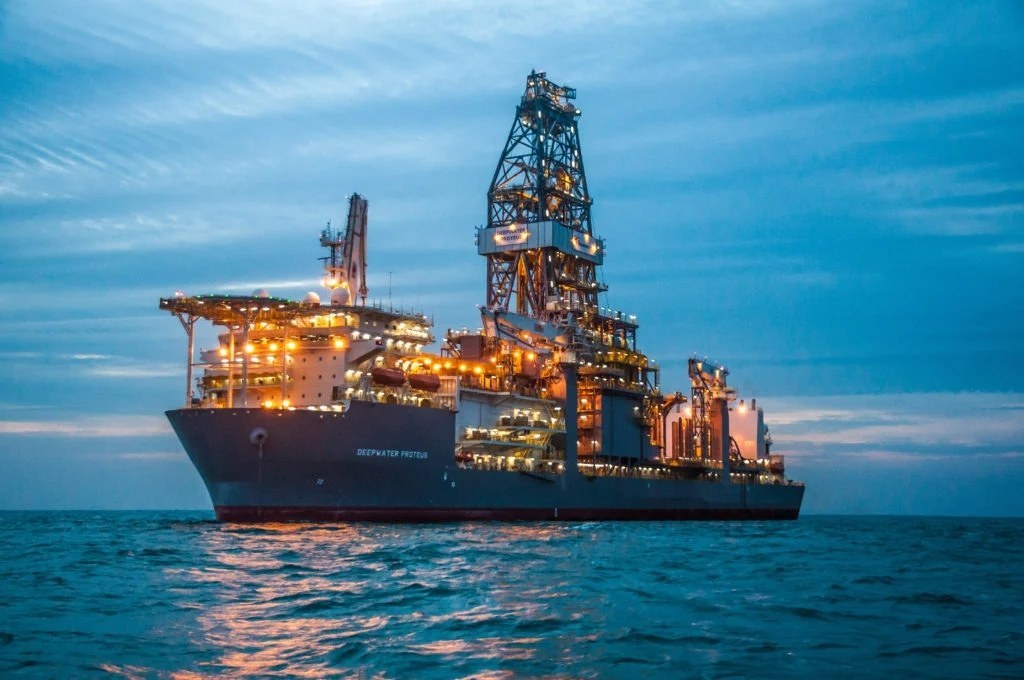
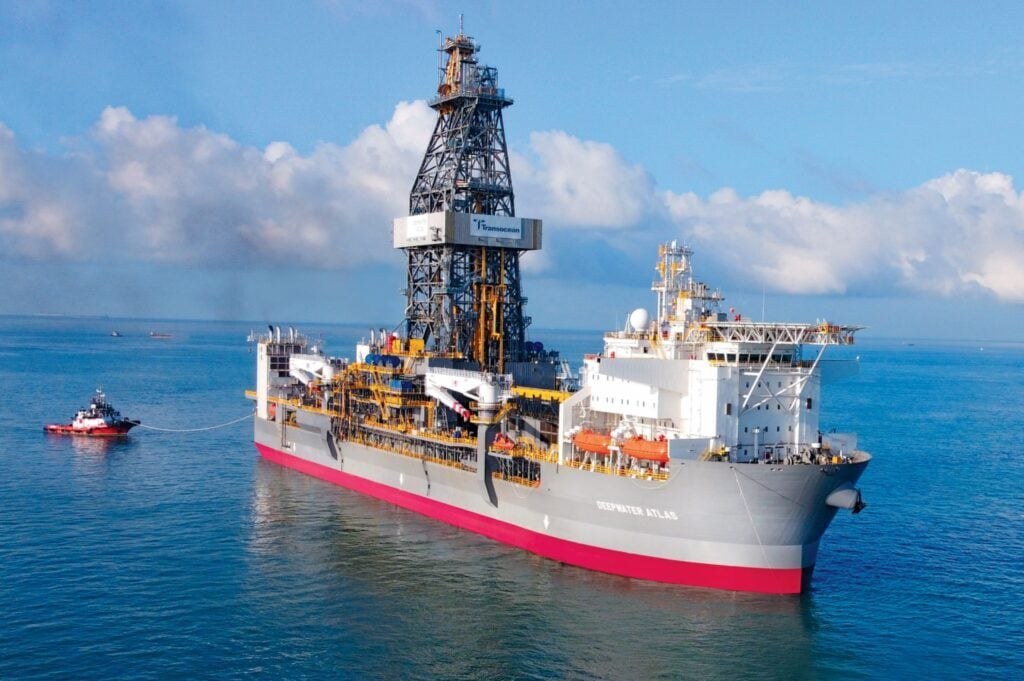
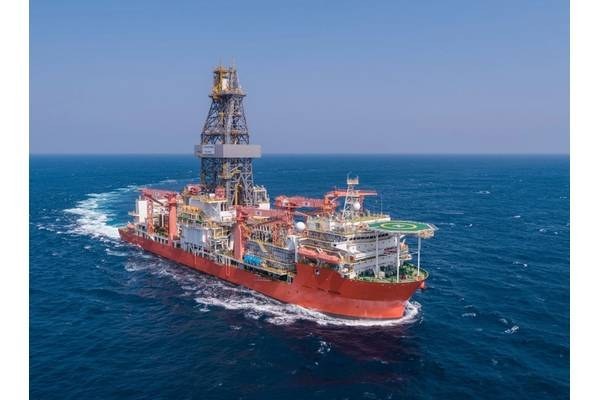
Drilling a well in deep-water is one of the most complex engineering tasks. The driller needs to traverse hundreds or thousands of meters of water before even touching the seabed, and then drill further into the rock, under extreme pressure and temperature. All this is done by sophisticated drillships, true floating factories filled with cutting-edge technology.
-
Brazil grew more than expected at the beginning of 2026, but a former IMF director throws cold water on the situation and warns that the celebration is unsustainable because the country invests only 16.5% of GDP when it would need to exceed 20% to truly grow.

-
Retail giant reduces staff by more than 4,000 employees even after nearly 20% revenue growth

-
While banks see the risk of default and difficulty in recovering financed motorcycles, the Lula government is considering using a guarantee fund to unlock credit for delivery workers; the measure could reach up to 1.2 million workers linked to digital platforms.

-
SpaceX sets share price at $135 and targets a historic $75 billion IPO to debut on Nasdaq with a trillion-dollar market value


I confess that the engineering behind this impresses me. Keeping a ship stable in the middle of the sea while drilling kilometers below, with precision and safety, is a feat that seems almost impossible. That’s why few companies in the world master this art, and a country that wants to explore its deep-water needs to hire precisely these rare specialists to try their luck.
What gas would change for Greece
Finding natural gas at the bottom of the Mediterranean would be a turnaround for Greece. The country, which heavily depends on importing energy, could start producing its own, reducing costs and gaining independence. More than that, it could even become a supplier for Europe, at a time when the continent seeks to diversify its gas sources and rely less on traditional suppliers.
Energy has become a matter of sovereignty among countries, and having gas at home is an invaluable card. For Greece, a discovery in its sea would mean not just money, but also geopolitical weight. A country that produces energy has more voice and more security, and it is precisely this possibility that makes the bet on deep-water drilling so attractive, despite all the risk and cost.
The timing of this bet is no coincidence. In recent years, Europe realized how risky it was to depend too much on a single major gas supplier and rushed to seek alternative sources everywhere. In this scenario, any reserve discovered within the continent itself gains a strategic value that goes far beyond the fuel price. For Greece, this means that a discovery in the Mediterranean would not only interest it but all of Europe in search of energy security. The country could stop being a mere consumer to become an important piece in the continent’s supply, which explains why so many people are closely following this pioneering drilling in Greek waters.
A high-risk bet
It’s worth remembering that drilling in deep-water is an expensive and uncertain bet. Drilling a single well like this costs a fortune, and there’s no guarantee of finding gas in sufficient quantity to be worthwhile. Many drillings end in dry wells, with nothing usable, and the money invested simply gets lost at the bottom of the sea. It’s a game of very high risk.
But that’s precisely why a discovery is worth so much. Those who bet and succeed can reap billions and transform their economy. Greece is willing to take this risk because the potential reward is too great to ignore. Debuting in deep-water drilling is, at its core, buying a ticket in an expensive lottery, but with the chance of a prize that would change the country’s destiny.
There is also a learning aspect worth highlighting. Even if this first well does not find gas in commercial quantity, the mere experience of drilling in deep-water is already valuable for Greece. The country gets to know better the geology of its own sea, trains professionals, attracts specialized companies, and builds the foundation for future attempts. Oil and gas exploration is usually like this, a succession of bets where each drilling teaches something, even when it ends without the expected treasure. Therefore, debuting in this game is also an investment in the knowledge and capability of the country to one day transform what exists beneath its sea into real wealth.
The Mediterranean holding secrets
I imagine what might be hidden down there, beneath the blue waters of the Mediterranean, this ancient sea full of history. There might be a gas reserve capable of changing the future of Greece, or there might be nothing usable. It is precisely this mystery that makes drilling so exciting, the bet of diving deep into the unknown in search of an energy treasure.
Greece’s debut in deep-water drilling is a moment of courage and ambition. Regardless of the outcome, it shows a country willing to seek its own energy future in the depths of its sea. When the driller finally descends and begins to drill, the entire country will hold its breath, waiting for the answer that only the bottom of the Mediterranean can give.
Is it worth spending a fortune drilling the seabed for the chance of finding a natural gas treasure?






Be the first to react!