






 Portuguese
  Spanish


Houses of just over nine square meters, with bed, electricity, and heating, gave homeless people something that crowded shelters did not offer: a door to close and a place of their own. The model grew, but the path was not simple and encountered resistance from neighbors and zoning rules.
Tiny houses have become a housing alternative for homeless people in Denver, United States. A pioneering village, inaugurated in 2017 with only 11 low-cost units, was so successful that the project expanded over the years and now totals about 150 houses spread throughout the city, offering shelter and dignity to those who previously lived on the streets or in overcrowded shelters.
The initiative began in July 2017 with the so-called Beloved Community Village and is run by the organization Colorado Village Collaborative, in partnership with the city. The proposal follows the logic known as “housing first,” which is based on the principle that having a stable roof is the initial step for a person to reorganize their life. Before detailing the model, it is worth noting that, although the results are positive, the path had obstacles, such as resistance from some of the neighborhood and zoning hurdles, which deserve to be told honestly.
How tiny houses work
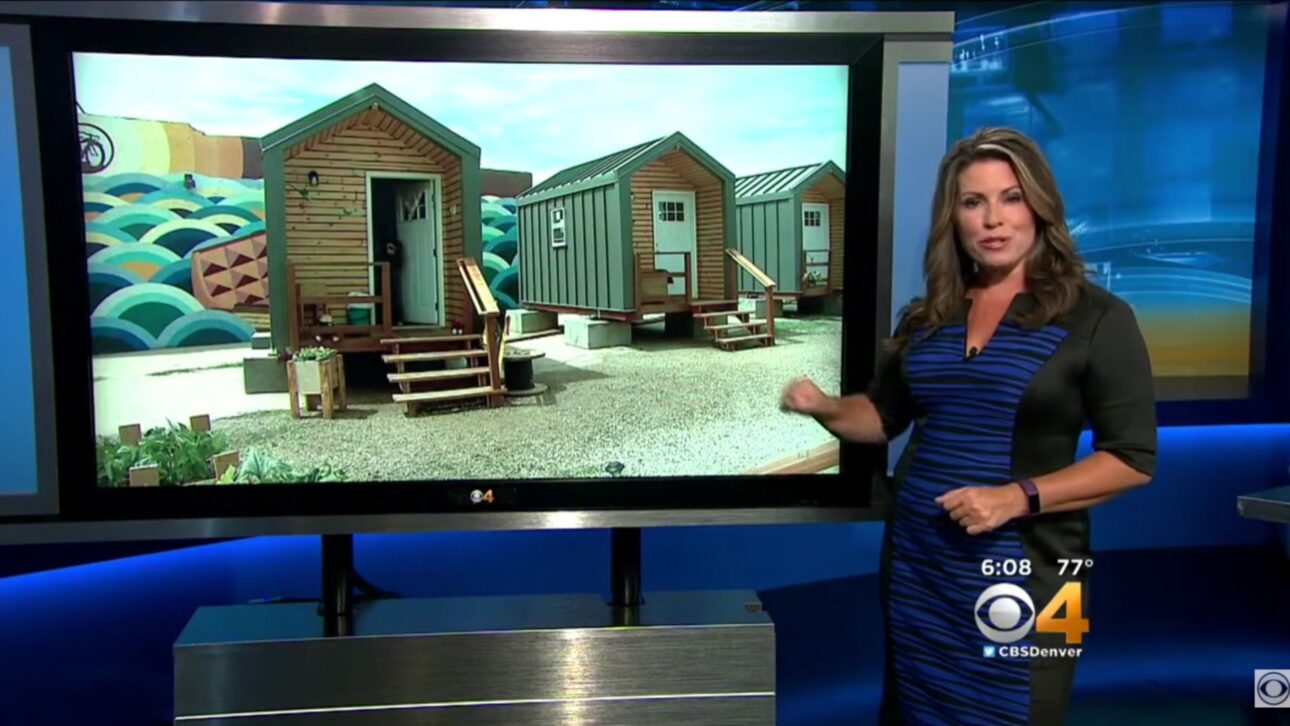
Each unit in the village is about nine square meters, equivalent to a small room, but includes a bed, electricity, heating, and the essentials for a person to live with privacy, while bathrooms, showers, and a community space are shared among the residents, in a model that mixes autonomy and community living.
-
Students Build Kansas’ First Hemp-Insulated Social House for a Needy Family: 85% Less Concrete, Solar Roof Returns Energy to Grid, Carbon Negative in Under 20 Years

-
China to Drill 90 Kilometers Under the Sea to Connect Two Cities Currently Linked Only by Ferry

-
18 m² Home Built in Two Days by Teto Volunteers Provides Shelter from Insects and Cold for Resident in Brazilian Community; 43 Delivered in 2026
-
$134.7 Million Project in São Paulo Installs Over 5 Kilometers of Pipes, Creates New Underwater Crossing to Boost Water Supply for Over 450,000 People


The first village, set up on a plot at the corner of 38th and Walnut streets, housed about 15 people in 11 small houses and also included a library and community garden.
The idea was never to offer a permanent residence, but a transitional space, a safe place where a person can rebuild, store their belongings, rest, and from there, seek employment and permanent housing.
It is a bridge between the street and stability.
Who can live there and why the model attracts
Access to the houses follows defined criteria.
To live in the village, a person must be homeless, not use illicit drugs, and have no history of violence, requirements that aim to ensure a safe and mutually supportive environment among residents, many of whom carry difficult stories and specific vulnerabilities.
Residents’ stories help to understand why this format works better than traditional shelters for some people.
Some live with post-traumatic stress disorder, insomnia, or anxiety, or are in the process of maintaining sobriety, and do not adapt well to the routine of collective shelters, where there is a large circulation of people and sometimes drug use.
Having a house of your own, with a door to close, offers the stability and mental clarity needed to move forward.
The results that support the expansion
The project’s growth did not happen by chance.
An evaluation conducted by the University of Denver between 2017 and 2018 found that neighbors reported few concerns with the village, that there was no increase in crime in the surroundings, and that 10 of the 12 original residents continued to have housing nine months after the opening, with some having managed to move to permanent housing.
These indicators helped transform an experiment into public policy.
Today, the Colorado Village Collaborative operates about 150 units distributed in micro-communities throughout the city, and the model even inspired an initiative by Denver’s mayor, Mike Johnston, aimed at housing a thousand homeless people.
What started small became a reference in how the city addresses homelessness.
The obstacles along the way

Telling this story seriously also requires showing the difficulties.
The pioneering village faced resistance from part of the community and, above all, encountered temporary zoning rules that required it to relocate periodically, even needing to move more than once during the first years, which created insecurity for the residents and strain for the organizers.
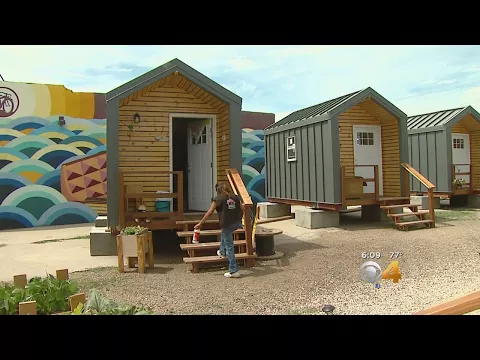
There were also practical day-to-day issues, such as the lack of privacy in the early days, when outsiders would observe the residents through the fences, a problem later mitigated with creative solutions, like the installation of an artistic fence.
These setbacks show that such initiatives, no matter how successful, depend on planning, public support, and dialogue with the neighborhood to establish themselves sustainably.
Denver’s experience with tiny houses shows that creative and low-cost solutions can make a real difference in combating homelessness, offering not just a roof, but dignity and a starting point to begin anew.
The jump from 11 to about 150 units, supported by concrete results, reveals the potential of the model, even though it is not a magic solution nor free of challenges.
More than just small houses, what this type of project delivers is the chance for a new life for those who need it most, a reminder that addressing the housing issue requires both innovation and long-term commitment.
And you, what do you think of the tiny house model as a housing alternative for people experiencing homelessness? Do you believe such initiatives could work in other cities? Leave your comment, respecting different opinions, share your view on the topic, and help spread the article to those interested in housing, urban solutions, and social issues.








Leave your comfort and join the Homeless in the great Land of the Free and the Brave.