






 Portuguese
  Spanish


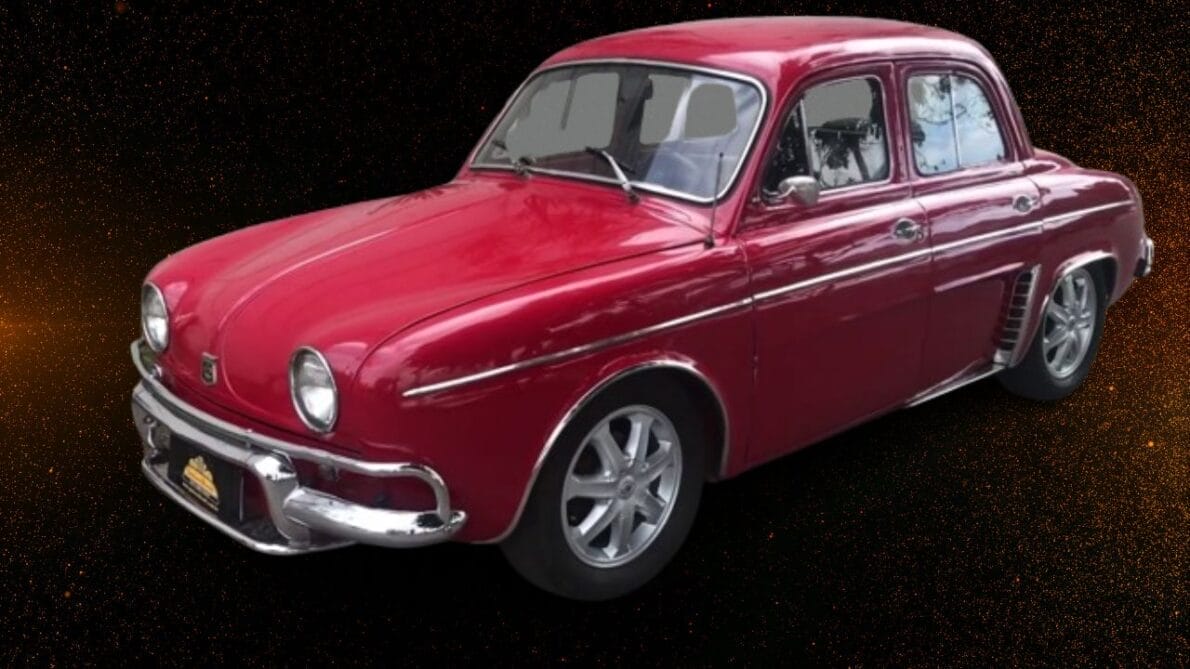

Renault Dauphine Was Named Gordini in 1962 as Part of a Strategy to Strengthen Its Image and Performance in the Brazilian Market. The New Gordini Version, Which Replaced the Dauphine, Featured an Enhanced Engine with Greater Power, Improvements in Interior and Exterior Finishes, and Adjustments in the Suspension to Better Withstand Brazilian Roads.
Launched in France in 1956, the Renault Dauphine was developed to replace the popular Renault 4CV, known in Brazil as “hot tail” due to its rear-mounted engine. This vehicle quickly became a worldwide success, leading to its production in several countries, including Brazil. Brazilian production began in 1959 by Willys-Overland do Brasil, following successful negotiations with Renault.
The Dauphine was known for its distinctive features, including a monocoque structure and four doors, which facilitated access to the vehicle. However, despite its innovative design and initial success, the car began to be perceived as fragile on Brazil’s less developed roads, earning nicknames like “powdered milk” due to its lack of sturdiness.
Evolution of the Renault Dauphine to Gordini


In response to this reputation and to strengthen the car’s image in the market, in July 1962, Renault introduced a luxury version of the Dauphine called “Gordini”. This new version not only featured superior interior finishes and aesthetic improvements, but also received significant upgrades in its engine.
-
End of an era in Brazil: beloved sedan by Brazilians is discontinued despite having a 2.0 engine with 151 hp, CVT transmission, 466-liter trunk, and up to 650 km of range.

-
New Law Proposal in Brazil Could Heavily Penalize Drivers: Dangerous Overtaking May Become a Serious Offense with Fines Increased Tenfold and a 12-Month License Suspension; Update on 2026 Progress

-
Electric Revolution: Watts W125 Motorcycle Offers 160 km Range, 90 km/h Speed, and Affordable Price Starting at $3,000
-
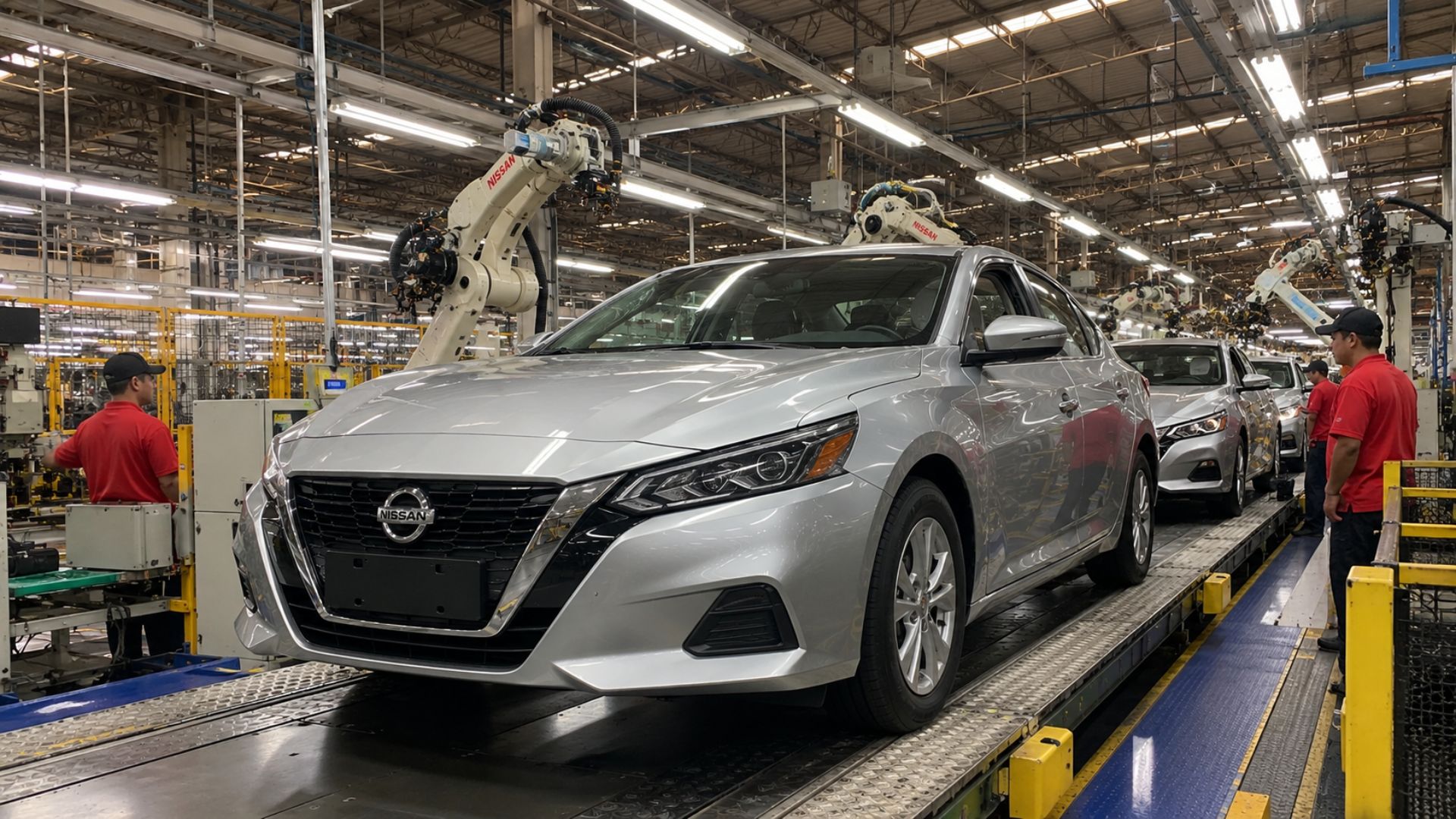
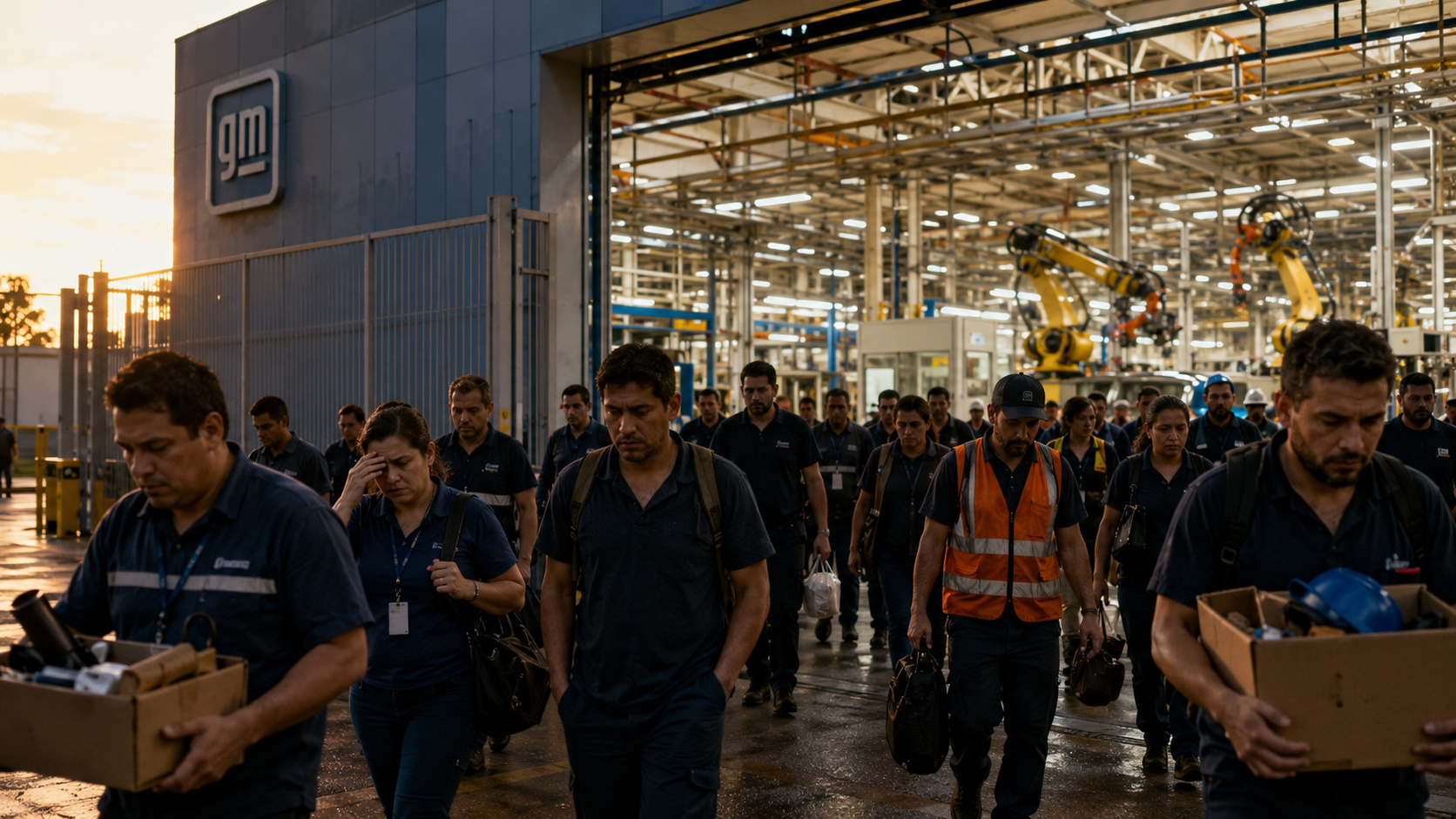
General Motors Replaces Over a Thousand Workers with 50 Cobots at Electric Vehicle Plant, UAW Union Criticizes Move Amid Industry’s Automation Push


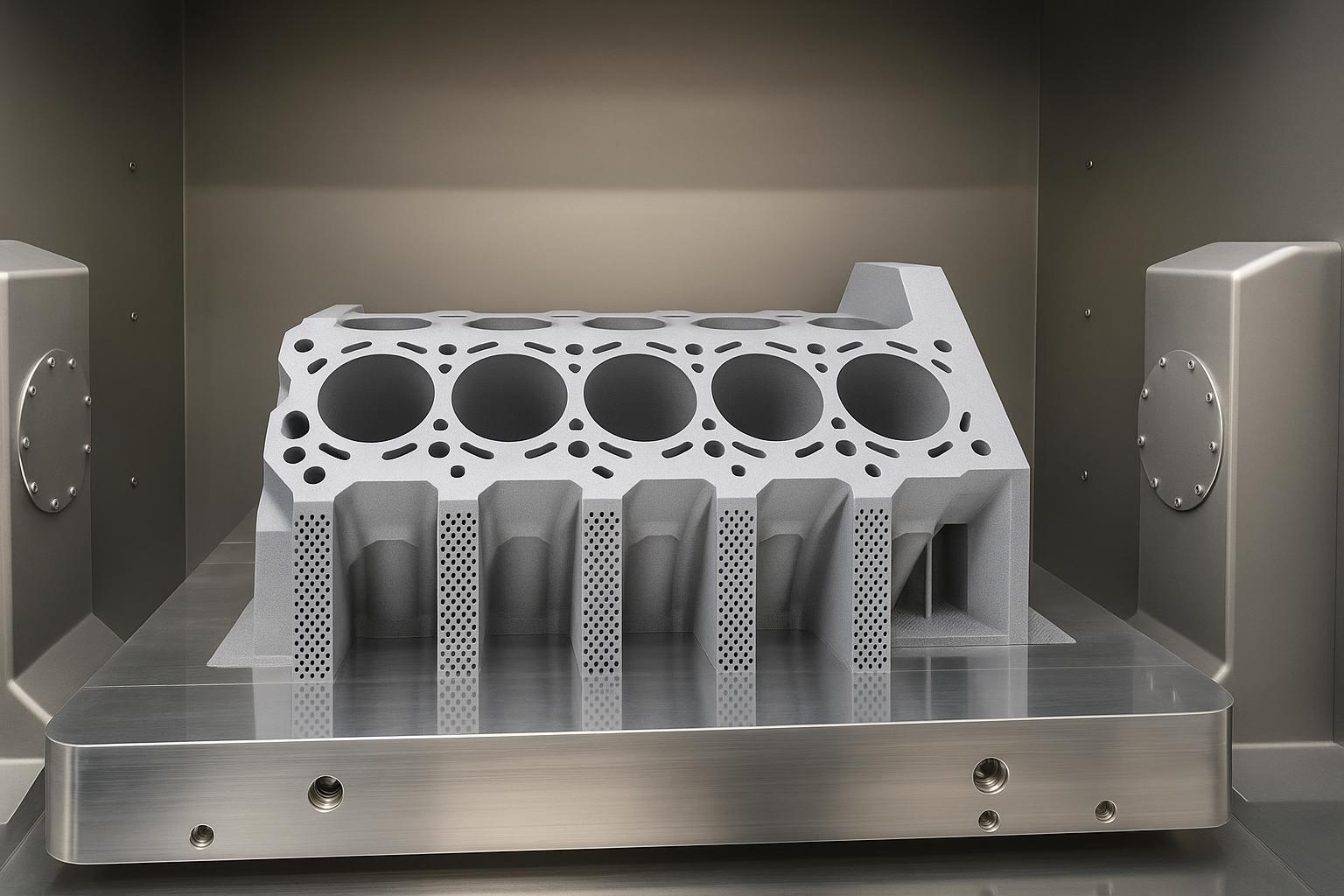
The improved engine had a higher compression ratio and other mechanical enhancements that increased its power to 40 horsepower. These mechanical changes provided a more agile performance and greater efficiency, redefining the vehicle’s perception and solidifying its position in the market.
Impact of the Changes and Legacy of the Gordini
The changes resulted in significant performance improvements, making the Gordini an attractive option for consumers seeking a compact car with robust capabilities and better performance. The introduction of variants like the Gordini 1093, a sporty version, further solidified Renault’s reputation as a manufacturer of efficient and reliable cars.
The Gordini continued to evolve until 1968, with various updates that mainly focused on safety improvements, such as the optional introduction of disc brakes. The final model, Gordini 4, culminated in a well-developed car that still honored the legacy of its predecessor while incorporating modern technical innovations.
The history of the Renault Dauphine and its evolution into the Gordini is a classic example of how adaptations can transform the perception and performance of a vehicle in the market. Through continuous innovations and attention to consumer demands and criticisms, the Gordini not only saved the reputation of the Dauphine but also established itself as an icon in its own right.








quando esses anuncios interferem de forma
abusiva e irritante descarto qualquer compra desse anunciante ,e dessa forma faço com todos , se precisar procuro
Lindo carro , pura nostalgia.
Aprendi a dirigir em um Gordini em 1974 de cor verde, bom demaiiiiis!!!!