Portuguese
  Spanish





The Sedan That Conquered Many Brazilians Since Its Launch In 2007 Has Stopped Being Manufactured In The Country, While The Manufacturer Focuses On New Models And Trends.
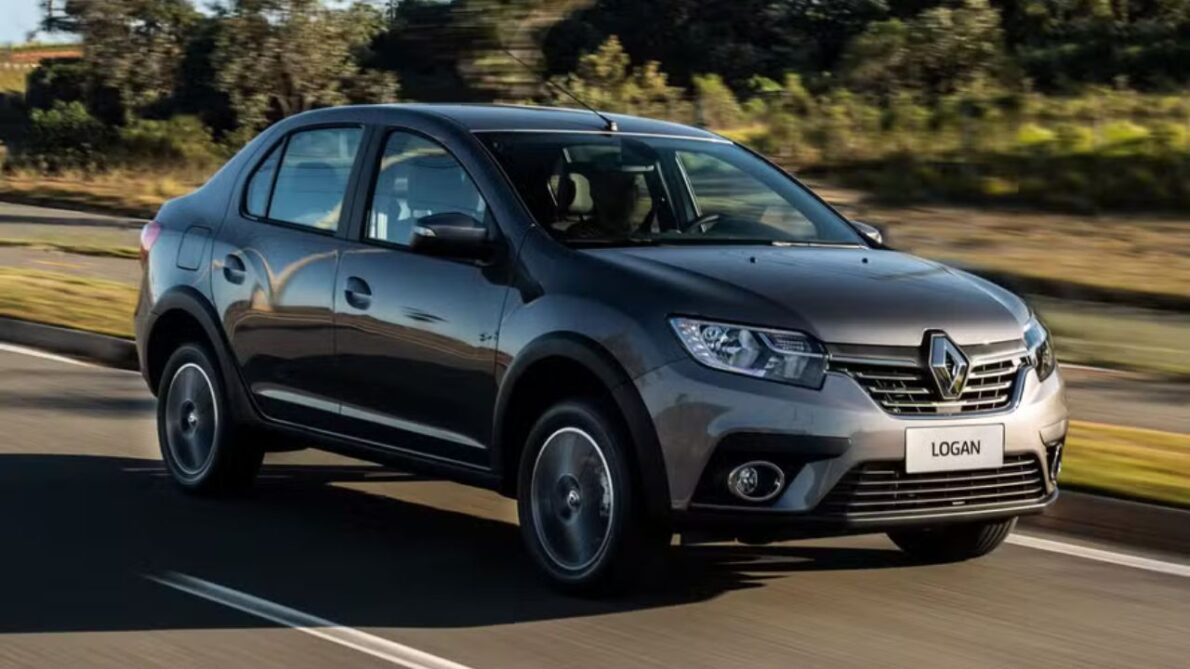
The Renault Logan, which for 17 years has been part of the history of many Brazilian drivers, comes to the end of its production in Brazil. Sources linked to the manufacturer and dealerships confirm that the model is no longer available for sale, marking the end of a cycle that began in 2007. The compact sedan, which offers a combination of cost-effectiveness, interior space, and robustness, is now stepping aside to make way for new bets from Renault.
Jeep Commander Has New Look And Lower Prices: See When It Arrives In Brazil
A Story Of Success And Challenges
Launched in Brazil as an affordable and functional option, the Renault Logan quickly stood out for its ample interior space, especially in the trunk, with a capacity of 510 liters. This feature, combined with a competitive price, made the Logan one of the favorites among consumers looking for a family and practical car.
-
2027 Toyota Corolla Cross Unveiled: New Design, Enhanced Fuel Efficiency, Reduced Maintenance Costs, Advanced Technology, Connected Services, and Up to 10-Year Warranty

-
Fiat Cronos Precision 2018: Affordable Sedan with Spacious Trunk and Reliable Maintenance
-
Volkswagen to Cut Production by 1 Million Cars by 2030, Reducing Jobs and Platforms, Focusing on More Profitable Models

-
Toyota Launches First 100% Electric Car in Brazil: bZ4X with 343 HP, All-Wheel Drive, 361 km Range, Priced at $419,990 BRL, Limited to 99 Units



During its peak, the Logan achieved impressive sales numbers, especially in 2014, when it surpassed the mark of 46 thousand units sold. The model also stood out for its mechanical simplicity and economical engines, available in 1.0 with 82 hp and 1.6 with 118 hp.
Despite its promising start, the Brazilian automotive market evolved rapidly, and the Logan began to lose ground to new competitors that brought more technology, modern design, and innovations. Sedans like the Chevrolet Onix Plus, Fiat Cronos, and Volkswagen Virtus began to dominate the segment, leaving the Logan behind.
What Led To The End Of The Renault Logan?
In recent years, Logan’s sales saw monetary gains. In 2023, only 4,559 units sold, a number well below its main rivals. In addition, the growing demand for SUVs in Brazil also contributed to the decline in popularity of compact sedans.
With this shift in consumer behavior, Renault decided to end Logan’s production, concentrating its efforts on new models that meet the current market demands. The factory in São José dos Pinhais, Paraná, where the model was assembled, is already preparing for new productions, focusing on the Renault Kardian, the brand’s newest SUV.
Can The Logan Still Be Found?
Although the Logan is still present on the official Renault website, in the Life and Zen versions, with prices ranging between R$ 97,500 and R$ 101 thousand, the specifications inform that the model is no longer available for purchase. The few remaining units are intended for corporate contracts and rental companies, but soon, even those will not be available.
The Future Of Renault In Brazil
With the end of Logan’s production, Renault is positioning itself for a new phase in Brazil. The manufacturer has been directing its efforts toward the SUV segment and vehicles with more technology, such as the Renault Kardian, which recently arrived on the market. The brand’s strategy is to follow global trends and offer vehicles that meet both technological and comfort expectations as well as sustainability needs.
The Impact On The Brazilian Market
The exit of the Renault Logan marks yet another chapter in the transformation of the Brazilian automotive market. Cars like the Logan, which for a long time were synonymous with functionality and low cost, are being replaced by more sophisticated and technologically advanced models.
And you, have you had the opportunity to drive a Renault Logan? What was your experience with this model that marked an era? Share in the comments!