Portuguese
  Spanish


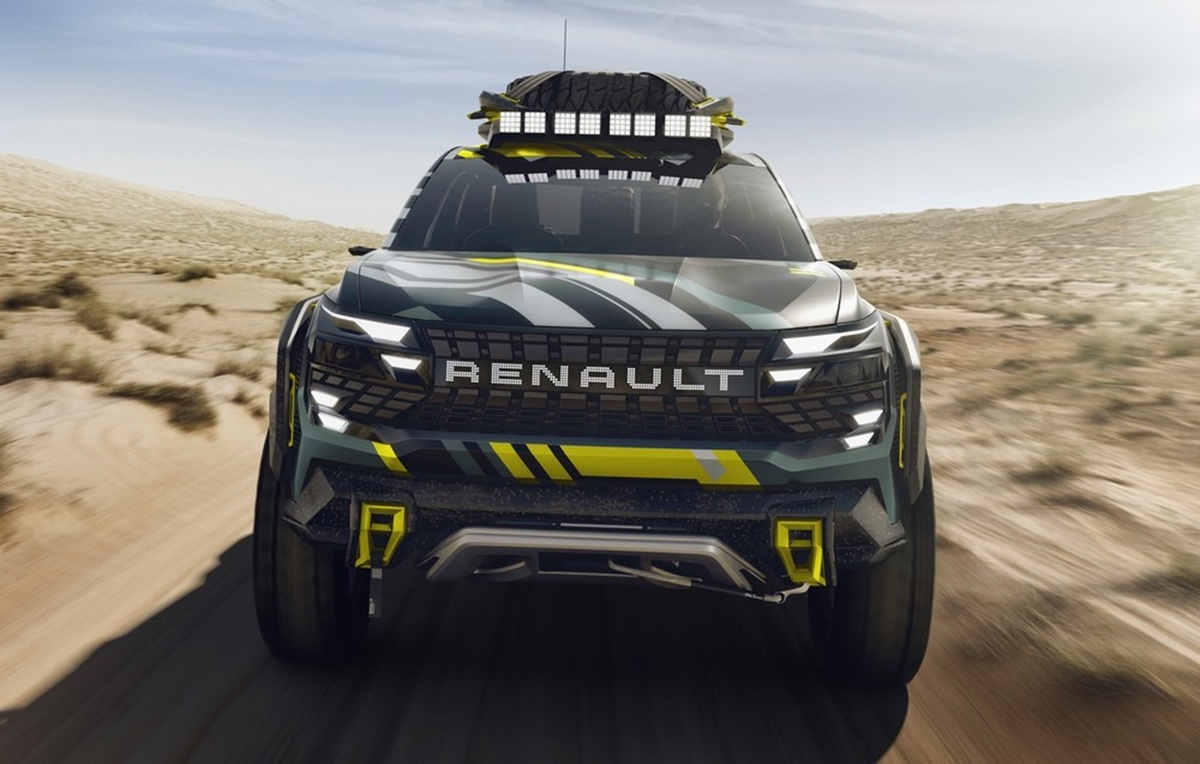

The Pickup Market In Brazil Has Never Been So Heated. Brands Are Competing For Space In A Segment That Has Gained Favorite Status Among Urban And Rural Consumers, Combining Robustness With Cutting-Edge Technology. In This Competitive Scenario, Renault Is Betting Big On A New Model That Promises To Change The Game: The Niagara.
Renault Is Preparing Its New Offensive In The Mid-Size Pickup Segment. After Revealing The Mid-Size SUV Boreal, Which Will Arrive In Stores In The Coming Months, The French Brand Is Moving Forward To Launch The Niagara, A Model That Will Be Positioned Above The Oroch.
Derived From The Eponymous Concept Of 2023, The Pickup Has Its Debut Scheduled For The Second Half Of 2026, As A 2027 Model, With A Direct Focus On Rivals Like Fiat Toro, Ford Maverick, Ram Rampage, And Future Competitors From Toyota And Hyundai.
Power And Transmission
The Main Highlight Will Be The Engine. All Versions, Both 4×2 And 4×4, Will Feature The Well-Known 1.3 TCe Four-Cylinder Engine With Direct Injection, Developed By Horse.
-
1983 Chevrolet Runs Over 100,000 km Without Gasoline, Powered by Wood Chips, Reaches 125 km/h in Airport Test

-
Workshop Converts Giant Tractor Tire Tricycle into a Three-Wheel Drive Hybrid with 36,000-Watt Electric Motor Capable of Climbing Hills

-
Sales of Brazil’s Cheapest Electric Car Halted Before First Deliveries: E-Motors Suspends Emova Easy Due to Import Tax Increase and Rising Freight Costs

-
Nissan Discontinues Qashqai SUV Amid Cost-Cutting, Chinese Competition, and Product Line Review



The Engine Delivers Up To 163 Hp With Ethanol And 156 Hp With Gasoline, Along With A Torque Of 27.5 Kgfm And 25.5 Kgfm, Respectively.
The Chosen Transmission Is The Automated Dual-Clutch DW23, Introduced In Brazil By The Renault Kardian And Now Also Present In The New Generation Of The Nissan Kicks.
This Transmission Aims To Deliver Faster Responses And Efficiency, A Feature That Could Become A Key Advantage For The Niagara Compared To Its Diesel Rivals.
There Are Plans For Manual Versions, But Only For Markets Outside Brazil.
Focus On Confronting The Toro
Within The Category, The Fiat Toro Remains The Absolute Leader. To Face It, Renault Is Betting On The 4×4 Versions Of The Niagara, Targeting The Diesel Configurations Of The Competitor That Offer The Same Traction System.
In The 4×2 Variants, The French Pickup Will Have A More Urban Orientation And Compete With Equivalent Models From Ford, Ram, And Other Brands Planning To Enter The Segment.
Bold Design
Visually, The Niagara Will Feature Much Of What Has Already Been Seen In The Boreal. The Front Will Have Cut-Out Headlights Integrated Into The Set, LED Daytime Running Lights Positioned In Separate Areas Of The Bumper, And A Wide Lower Grille In Gloss Black.
The Elevated Hood And The New Renault Logo Will Reinforce The Brand’s Renewed Identity.
On The Sides, The Integrated Rear Door Handles In The Pillars Will Attract Attention, An Uncommon Feature In Pickups But Already Applied In The Sibling SUV.
The Prominent Wheel Arches And The Roof Line Dropping Toward The Bed Will Add Sportiness.
At The Rear, The Horizontal Taillights Linked By An Illuminated Strip Break The Traditional Pattern, While The Bed Cover Will Have A Simple Opening, Unlike The Toro.
Dimensions And Size
Renault Has Already Confirmed That The Niagara Will Measure Over Five Meters In Length, With A Size Close To The Toro, Which Measures 4.95 M.
This Size Reinforces The Proposal To Compete For The Heart Of The Mid-Size Category, In A Range Of Consumers Seeking Space, Robustness, And Style.
Production And Market
The Niagara Will Be Manufactured In Córdoba, Argentina, Where Pre-Series Units Are Already Being Assembled For Testing. Camouflaged Prototypes Are Expected To Hit The Streets Soon.
The Estimated Annual Production Is 65,000 Units, With 70% Aimed At Export. Brazil Will Be One Of The Main Markets, While The Remaining 30% Will Cater To The Argentine Audience.
It Is Important To Highlight That The Veteran Oroch Will Remain In Line In Brazil, Produced In São José dos Pinhais (PR), But Primarily Directed Towards Fleets And Direct Sales, While The Niagara Will Take On The Role Of A More Sophisticated Option.
Hybrid Future
Although The Initial Focus Is On Flex Versions, Renault Has Already Confirmed Plans For A Hybrid Configuration Of The Niagara.
This Option, Which May Also Feature 4×4 Traction, Will Arrive At A Later Stage. The RGMP Platform Is Already Prepared For Electrification, Whether In The Form Of Full Hybrid (HEV) Or Mild Hybrid (MHEV 48V).
The Final Choice Is Still Under Discussion, But The Goal Is To Combine Efficiency And Performance Without Compromising Robustness.