Portuguese
  Spanish


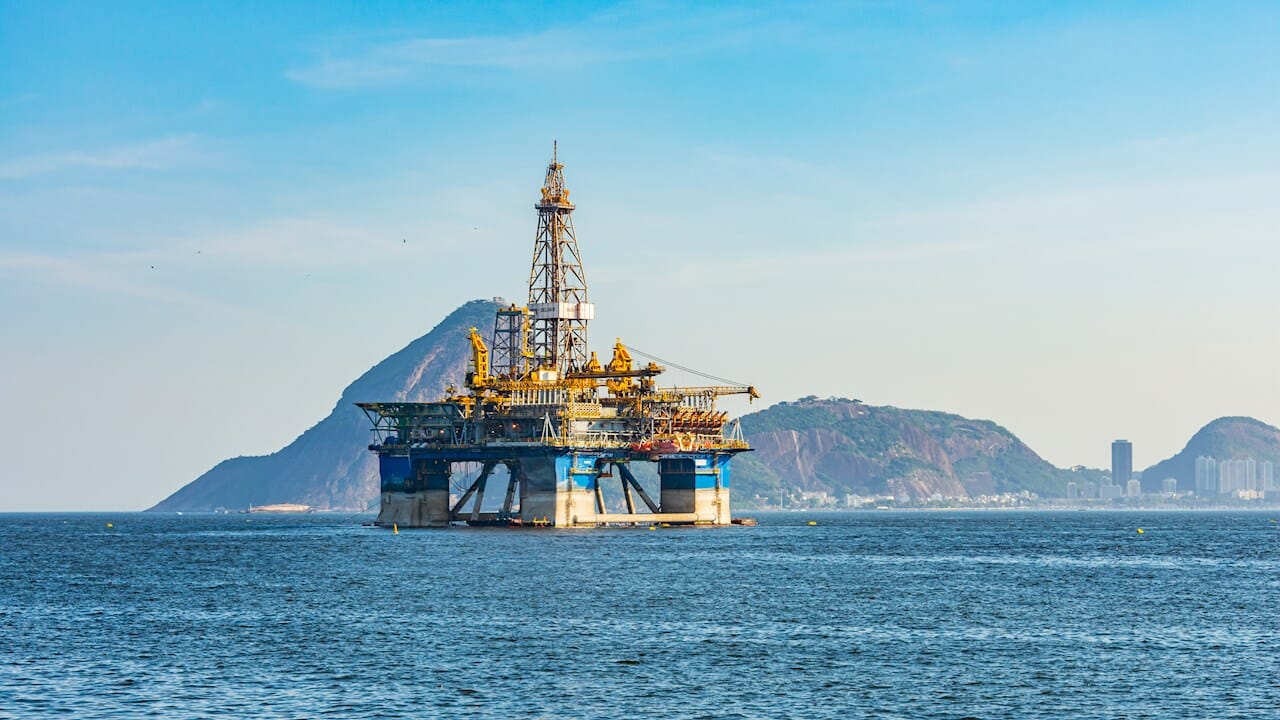

Data from the Brazilian Statistical Yearbook of Oil, Natural Gas and Biofuels 2023 Highlights Surprising Growth in Reserves.
Proven oil reserves in Brazil reached a significant milestone in 2022, recording the highest volume since 2014. According to the data presented in the Brazilian Statistical Yearbook of Oil, Natural Gas and Biofuels 2023, published by the National Agency of Petroleum and Natural Gas (ANP) on Monday (10/16), the country accounted for about 14.857 billion barrels, representing an impressive increase of 11.5% compared to 2021, consolidating the second consecutive year of increment in this volume. This rise contrasts with the period between 2014 and 2020 when reserves were declining.
Total Oil Reserves and Their Strategic Importance for Brazil
In addition, Brazil’s total oil reserves also revealed substantial growth, totaling 26.9 billion barrels.
It is worth noting that proven reserves represent a viable extraction share based on geological and engineering analyses.
-
With a record production of nearly 3 million barrels per day, Petrobras resumes importing diesel in July, highlighting the bottleneck in Brazilian refining.

-
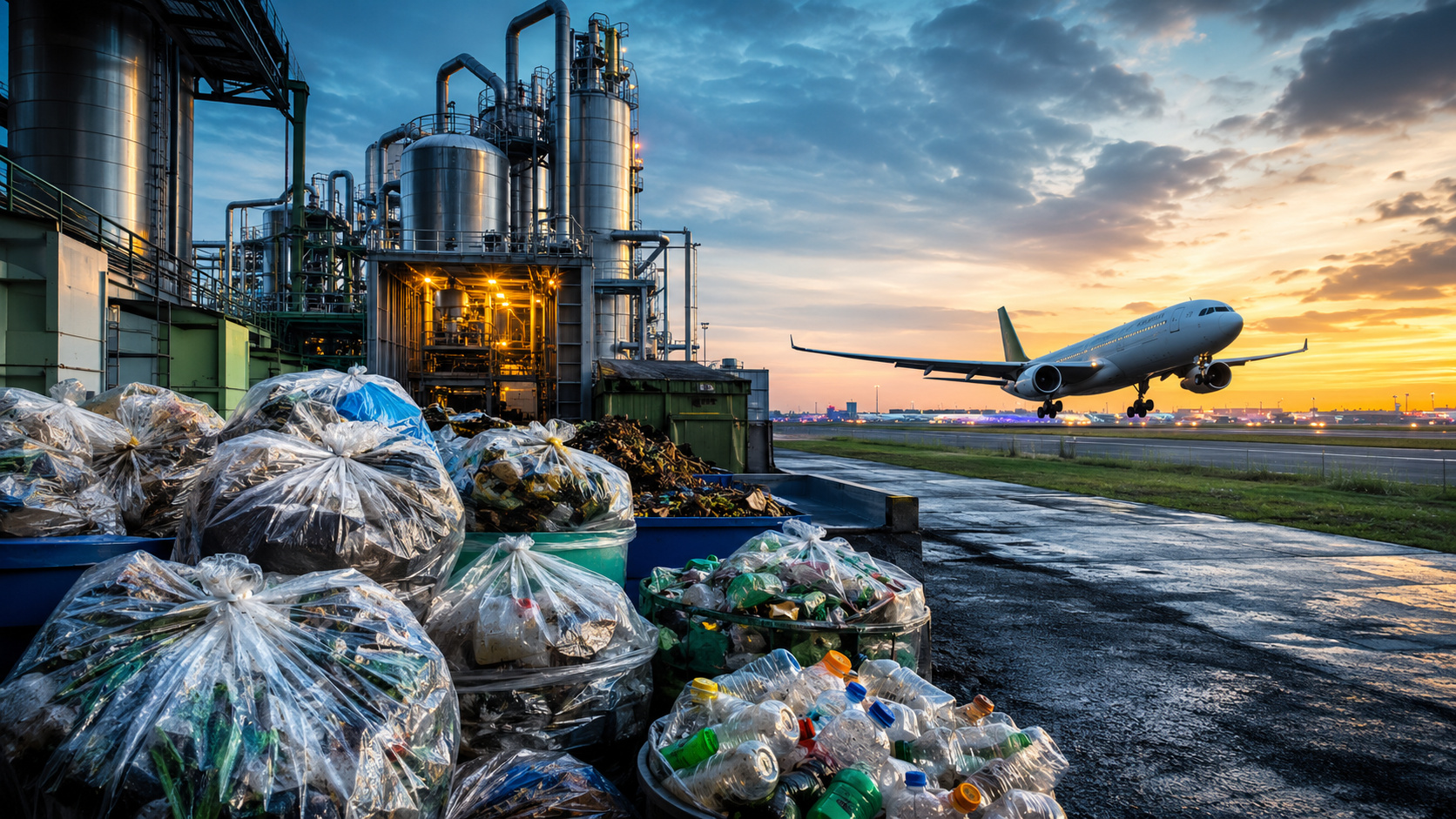
Qantas and Airbus Invest in Company Aiming to Convert Unsorted Household Trash into Jet Fuel

-
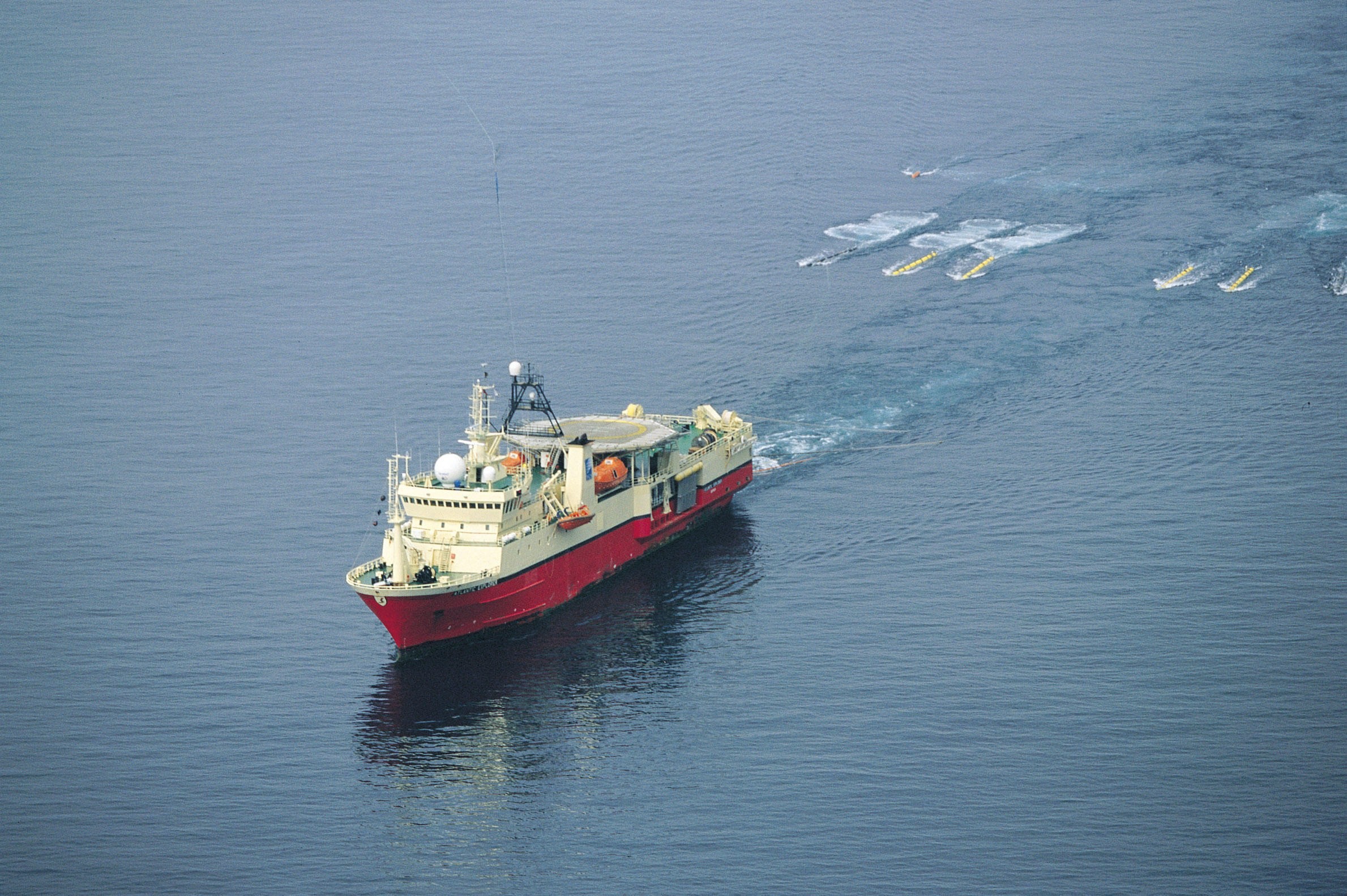
Brazil’s ANP Opens 86 New Oil Blocks in the Equatorial Margin, Expanding the Amazon River Mouth Frontier

-
OPEC+ Boosts Oil Supply by 188,000 Barrels per Day in July 2026, Leading to Price Drop from $112 to $89 per Barrel in Under Two Months
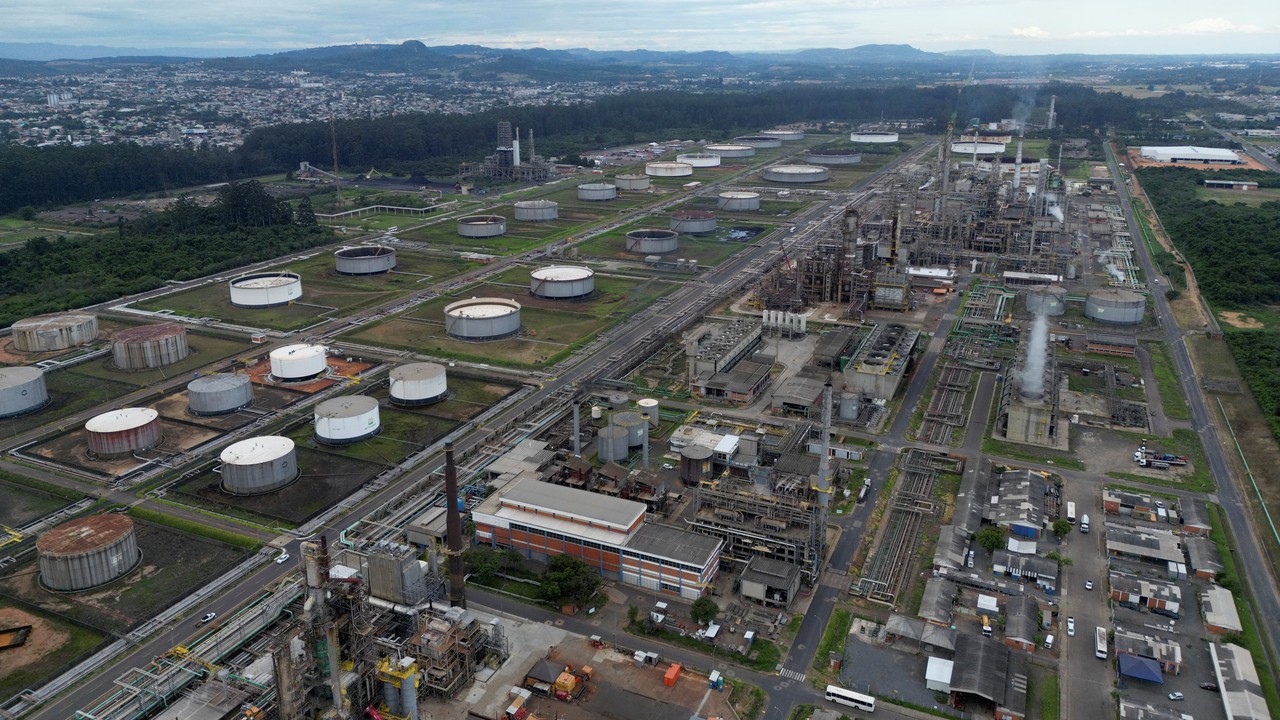
Total reserves also include those with a lower probability of being extracted.
The states of Rio de Janeiro, São Paulo, and Espírito Santo stand out with 96.6% of the total proven oil reserves volume.
In Rio de Janeiro, in particular, a significant increase in proven reserves was observed in 2022, totaling 12.5 billion barrels, representing 83.9% of the national total.
Growth in Natural Gas Reserves Drives the Energy Sector
Regarding natural gas, Brazil also recorded an increase in proven reserves, reaching a level of 406.5 billion cubic meters (m³) in 2022, the highest value since 2015.
This increase is largely driven by onshore fields, which saw a 27.5% growth in volume, reaching 99 billion m³.
Rio de Janeiro continues to lead as the largest holder of gas reserves in the country, followed by Amazonas.
Record Oil Production and Challenges in Natural Gas Distribution
Continuous exploration through drilling is crucial for increasing oil discoveries and expanding Brazil’s proven reserves.
In 2022, the country drilled a total of 26 wells for oil exploration, both onshore and offshore, boosting discoveries.
However, despite this progress, the numbers remain below those recorded a decade ago.
In 2022, national oil production reached a historic milestone, surpassing 1.1 billion barrels, setting a record in the sector.
The pre-salt represented a significant share, reaching 76.2% of the total.
As for natural gas, production also saw an increase, registering 50.3 billion cubic meters and maintaining a continuous growth trajectory over the past 13 years.
However, less than half of the gas produced was effectively made available to consumers, highlighting the need for improvements in the distribution of this essential resource.
These data present a positive outlook for Brazil’s oil and gas sector, demonstrating a significant increase in reserves and production, strengthening the country’s position in the international energy landscape.