Portuguese
  Spanish


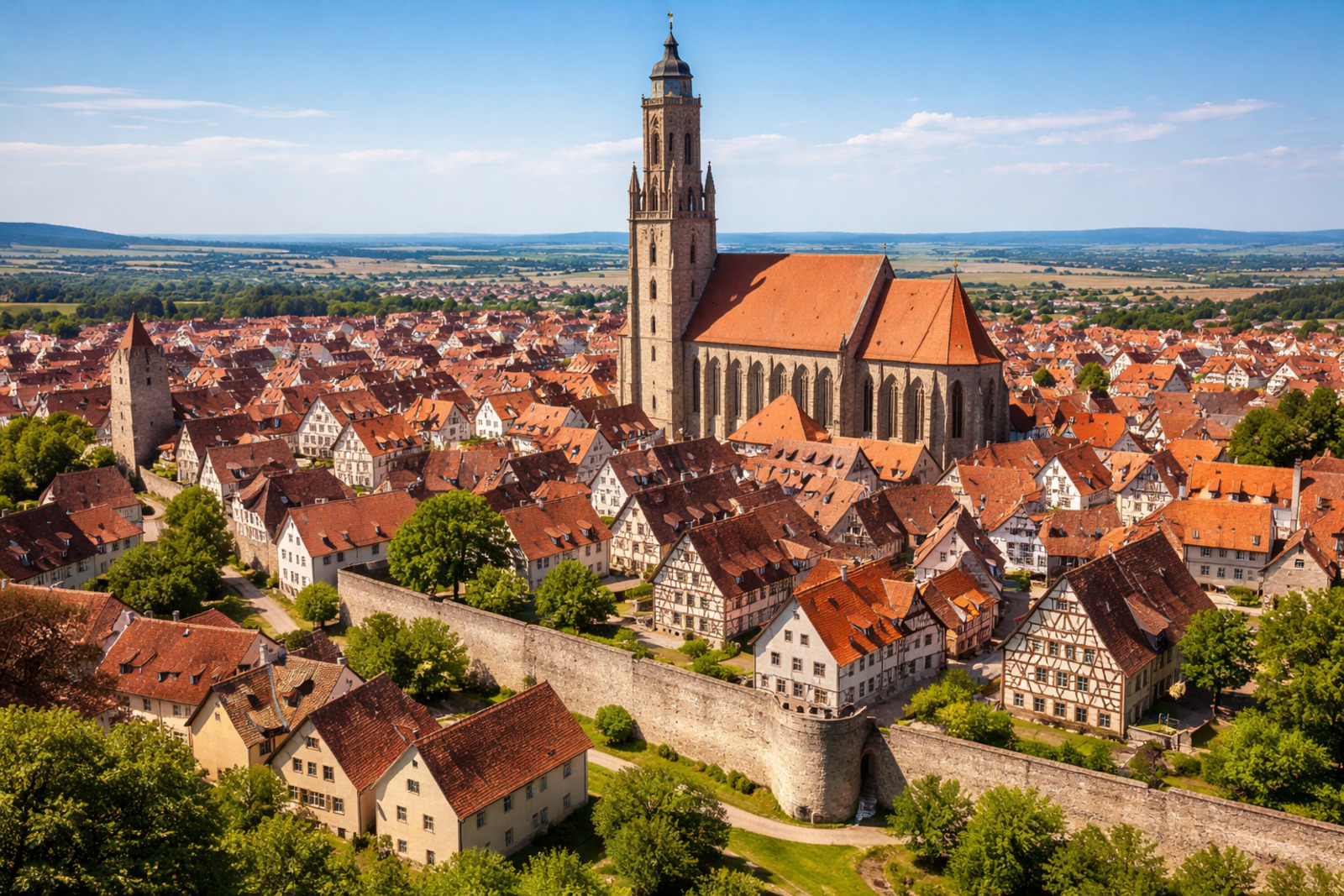

Built inside a crater in Bavaria, Nördlingen surprises scientists by revealing historical constructions made with stones filled with hidden microscopic diamonds
Nördlingen, a city of 19,000 inhabitants in Bavaria, was built with a rock used for centuries in houses, churches, and walls. Later, scientists discovered that the material contained millions of microscopic diamonds, a result of asteroid impact.
City inside the Crater
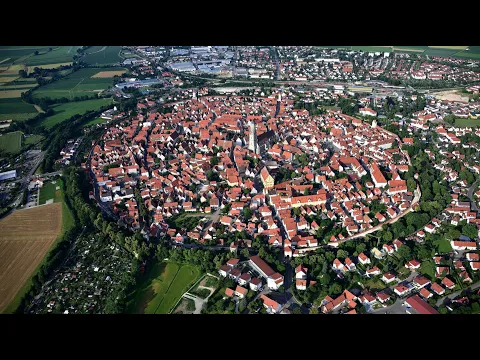
The city is located within the Ries Crater, formed about 15 million years ago after the fall of an asteroid approximately 1 km in diameter.
The impact occurred at an estimated speed of 25 km per second and opened a crater about 26 km in diameter, where Nördlingen would be built.
-
How to Prevent Brown Recluse Spider Bites: Common Hiding Spots and Free Tips to Reduce Risks

-
Natto: The Unusual Japanese Superfood Gaining Popularity on Social Media and Driving Record Exports
-
Brazilian Mayor Goes Undercover as Homeless for 24 Hours to Assess Public Services

-
15-Year-Old Entrepreneur Malu Lira Publishes 20 Children’s Books on Financial Education, Earns $500,000, and Expands Her Project to the Amazon Rainforest





Diamonds
The collision caused extreme temperatures and pressures. This process transformed carbon particles present in the rocks into microscopic diamonds, all less than 0.2 millimeters and practically invisible to the naked eye.
The rock that began to concentrate these diamonds is the suevite. Unbeknownst to them, residents used this material for centuries in various constructions of the city.
Turning point in the city inside the crater
For a long time, the inhabitants believed that the city had been built on an extinct volcano. This idea only changed in the 1960s, with the visit of two American scientists.
Geologists Eugene Shoemaker and Edward Chao analyzed the local rocks and found clear evidence of asteroid impact, including the microscopic diamonds.
The discovery was so important that school books and historical records of the city had to be updated.
Buildings
Today, researchers estimate that the buildings of Nördlingen contain about 72,000 tons of diamonds.
A large part of the medieval city was built with suevite, including the St. George’s Church of Nördlingen, where the sparkle of the microdiamonds can be seen in the tower.
Residents say that all the constructions within the walls were made with this material, making the city one of the most unusual places on the planet to this day for many.
With information from Xataka.