






 Portuguese
  Spanish


Meet The Lotus Evija, The Most Powerful Electric Car In The World With Over 2,000 HP. The Model Can Go From 0 To 100 Km/h In Less Than 3 Seconds.
Have you heard of the Lotus Evija? This is the most powerful electric car in the world, developed by Lotus. The model combines the power of four electric motors, generating an incredible 1,500 kW (or 2,011 horsepower) and 1,704 Nm of torque. Currently, the Lotus Evija is the most powerful production car on the planet, surpassing the Aspark Owl, which previously held this position with its 1,984 hp.
The Most Powerful Electric Car In The World Impresses With Numbers
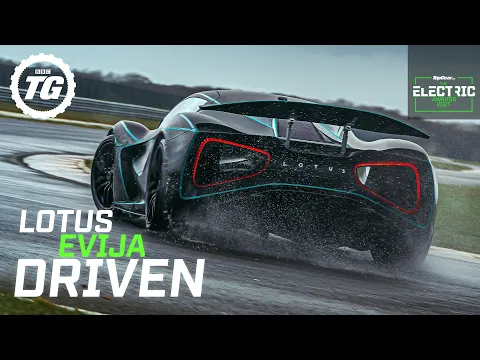

The other numbers of the Lotus Evija are also impressive. The acceleration from 0 to 100 km/h, for example, occurs in less than 3 seconds, and from 0 to 300 km/h, in less than 9 seconds. The top speed, in turn, is 350 km/h, the same pace achieved by Formula 1 cars, a category that, as we can see, has heavily influenced the design of the most powerful electric car in the world.
The sports car also features suspension inspired by racing cars and is equipped with magnesium wheels to help reduce weight. With a carbon fiber monocoque body, the Lotus Evija weighs 1,887 kg. Above the average in the supercar category, however, this is expected for electric vehicles, which are heavier due to the battery system.
-
2027 Toyota Corolla Cross Unveiled: New Design, Enhanced Fuel Efficiency, Reduced Maintenance Costs, Advanced Technology, Connected Services, and Up to 10-Year Warranty

-
Fiat Cronos Precision 2018: Affordable Sedan with Spacious Trunk and Reliable Maintenance
-
Volkswagen to Cut Production by 1 Million Cars by 2030, Reducing Jobs and Platforms, Focusing on More Profitable Models

-
Toyota Launches First 100% Electric Car in Brazil: bZ4X with 343 HP, All-Wheel Drive, 361 km Range, Priced at $419,990 BRL, Limited to 99 Units




The British electric hypercar features a 93 kWh unit and, in normal driving mode, offers about 400 km of range. At a 350 kW fast charger, the Evija takes 18 minutes to recover 80% of its range, according to the manufacturer.
Lotus Evija Receives Special Edition
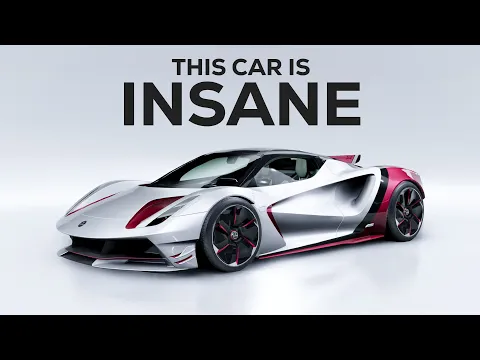
To celebrate the start of production and also the 50 years since Brazilian Emerson Fittipaldi drove a Lotus Type 72, winning five F1 races in 1972, the Drivers’ and Constructors’ titles, Lotus introduced a even more special edition of the most powerful electric car in the world, hand-built and painted.
This is the Lotus Evija Fittipaldi, where only eight units of the two-seater electric car are being hand-built in Hethel, Norfolk, in the United Kingdom, the global headquarters of Lotus Cars, and all have already been sold. Deliveries to customers are expected to begin next year.
The idea is to produce, at most, 130 units of the model. Showcasing the famous black and gold color scheme, the hand-painted exterior and several other unique design features were developed to commemorate the partnership, including the name of the two-time world champion on the roof and dashboard of the car.
The bespoke specification of the most powerful electric car in the world begins with its exclusive paint, which includes its designation written on the body in gold letters on the side of the rear window.
More Details On The Design Of The Lotus Evija Fittipaldi
Additionally, there are the black and gold ‘Type 72’ wheels completed with anodized central locks, red on the left side of the car and green on the right side, along with black and gold brake calipers.
The Lotus Evija Fittipaldi features decals celebrating the Type 72 victories in the 1972 season, presented on the active rear spoiler, while a number 8 has been applied to the center columns (Fittipaldi raced with this number on his car during the 1972 season, including during the win at the British GP).
Inside, the theme of luxury and bespoke design continues. Black leather upholstery with contrasting gold stitching can be found throughout the cabin, along with exclusive stitching on the headliner, as well as gold trim on the air vent edges, the central rotary selector, the start button, and the pedals.







