






 Portuguese
  Spanish


Soybean, One of the Main Products of Brazilian Agriculture, Is Worth 570 Times More Than Gold Production. This “Green Gold” Is Transforming the Economy of Brazil, Outpacing Even Traditional Mining. The Country Now Sees in the Agricultural Sector Its Main Economic Engine, While Mining Struggles to Stay Competitive.
In Brazil, a country historically recognized for its vast mineral reserves, a new economic engine has emerged with overwhelming force.
No, we are not talking about gold, but rather an agricultural product that today is worth an impressive 570 times more than gold extraction in the country.
Surprised? Keep reading to discover what this phenomenon is and how it is transforming the Brazilian economy.
-
Hurry: Wikipedia pays up to R$ 2,500 for those who write about Minas Gerais, contest entries end on July 10, 2026, and even beginners can “earn,” with prizes starting at R$ 200.

-
A city with 8,000 inhabitants will receive R$ 25 billion to host the largest single-stage pulp mill in the world, with a production of 3.5 million tons per year and a cost of R$ 45 million.
-
He left India for Oman in 1976, entered through the door of luxury finishes, and took Sobha to the premium real estate market in the Middle East.

-
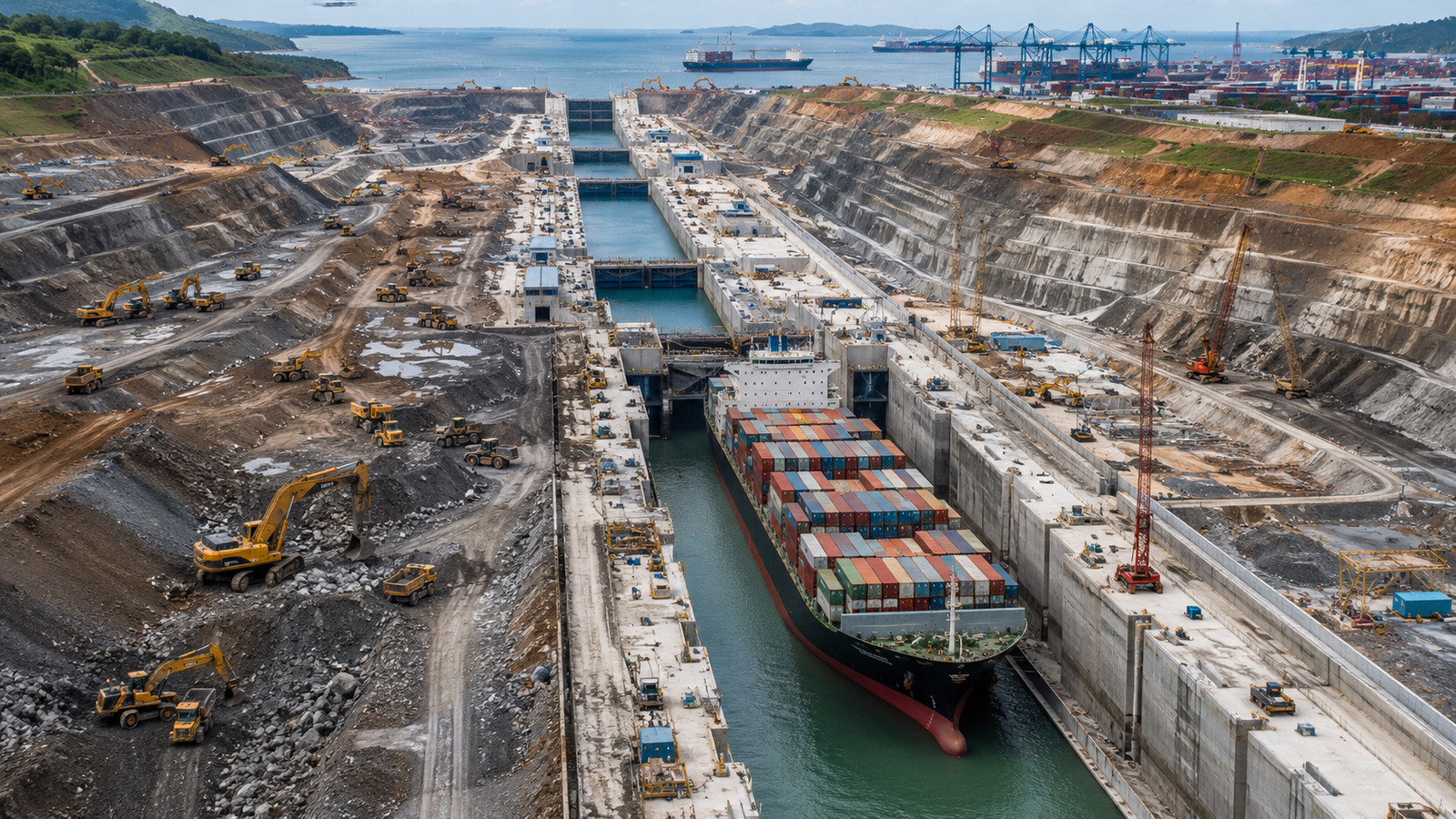
China wants to impress the world once again with a mega canal featuring giant locks, deep waters, and space for the largest ships, in a project aimed at shortening journeys, reducing queues, and rivaling the Panama Canal in global trade.


According to data from 2023, soybeans stand out as one of the main pillars of the agricultural sector.
The production of this essential grain reached the mark of R$ 348 billion, making it the largest source of wealth in the Brazilian countryside.
For comparison, the production of gold in the same period yielded only R$ 610 million.
The disparity is evident: the value generated by soybeans is 570 times greater than that of gold extraction, according to a survey by the Brazilian Institute of Mining (IBRAM).
The Power of Soy in Brazil
According to the portal Compre Rural, soybeans, which celebrated 100 years in Brazil, have had impressive development over the decades.
Today, the grain is cultivated in 23 of the 26 Brazilian states, with the Central-West region accounting for about 50% of national production.
The impact of this production is felt in municipalities of all sizes, especially in agricultural cities like Sorriso (MT).
Just this municipality generates wealth equivalent to 120 times the entire gold production of the country.
The soybean culture in Brazil has advanced due to investments in technology, research, and territorial expansion, becoming a global powerhouse.
In the 110 municipalities that produce the most soybeans, the value generated greatly exceeds the entire gold production in Brazil.
Gold Falling and Agriculture Rising
As soybeans advance, gold mining faces challenges. Gold production is concentrated in states such as Mato Grosso, Minas Gerais, Pará, Goiás, and Amapá and fell by 11.9% in dollars in 2023.
Even with its historical importance, gold cannot compete with the economic impact of soybeans, whose numbers keep growing.
Brazilian agriculture not only surpasses gold in generated value but also demonstrates continuous growth.
The projection for the next soybean harvest indicates an increase of 4%, further consolidating Brazil’s position in the global agricultural export scenario.
The Outlook for the Future: Soy or Gold?
The future of Brazil seems more linked to agriculture than to mining, even with the promises of investment in the mineral sector.
It is estimated that US$ 64.5 billion will be allocated to mining by 2028, focusing on socio-environmental and critical mineral projects.
However, soybeans remain unbeatable. With a growing demand and an increasingly modern agricultural structure, Brazil seems destined to maintain its leadership position in global grain production.
While mining needs to reinvent itself to tackle new challenges, soybeans have already secured their place at the top of the national economy.
Many call this phenomenon “green gold,” and it is no wonder: the grain is more profitable than traditional gold, and its impact on local economies is palpable.
The Brazil of Green Gold
Brazil is undergoing a transformation. Agriculture, especially soybean production, is now worth 570 times more than gold, and this disparity is only increasing.
The country, traditionally known for its mineral wealth, sees agriculture as the main engine of economic growth for the coming years.
The challenge now is to continue growing sustainably and consolidate Brazil’s role as a global leader in food production, without neglecting the responsibility to preserve its natural resources.
And you, do you believe that agriculture will continue to outshine mining in the future?





O Brasil poderia duplicar sua produção agrícola sem derrubar nenhuma árvore. Bastaria direcionar as áreas de assentamentos da reforma agrária para a produção, talvez dando titulo aos assentados e permitindo que vendam suas terras a quem realmente queira produzir. Todos sairiam felizes…
Bom dia, uma bela comparação, a soja vale mesmo mais que o ouro o quilo do ouro vale R$ 500.000 mil reais o quilo da soja vale hoje mercado internacional R$ 2,30 dois reais e trinta centavos o quilo,fora as despesas para produzir um quilo de soja,
Não sejamos ****,a distribuiçao desses bilhoes ficam na mao de 2 ou3 empresarios apadrinhados ou beneficiados com nossas terras o pequeno agricultor sofre para colher e vender seus produtos para depois pagar os emprestimos do banco.