






 Portuguese
  Spanish
  4 min of reading
  0 comments


Rhodia and Cavalinho Form Sustainable Partnership to Use Biomethane in 60 Vehicles by 2030, Reducing Carbon Footprint by 90%.
On April 2, 2025, the global leader in essential chemicals, Rhodia, joins forces with the innovative Cavalinho for an unprecedented partnership. This collaboration stands out in the sustainability landscape by driving eco-efficiency through the use of biomethane. Planned to transform the energy paradigm of transportation, this alliance projects the use of 60 vehicles by 2030, demonstrating a strong commitment to environmental responsibility. The transformation promises not only to significantly reduce emissions but also to reinforce a fundamental support for a greener and cleaner future.
The operation of the fleet will mark the transition from traditional vehicles to new means of propulsion. With this action, Rhodia and Cavalinho aim to decrease up to 90% of the carbon footprint from fossil fuels. The focus is clear: to create a lasting impact on the environment. The vehicles, powered by renewable gas, are the embodiment of an environmentally conscious initiative that not only reduces emissions but also fosters innovation with purpose. This remarkable step comes in the wake of growing global demands for responsible practices and sustainable solutions to the most urgent issues.
The Revolution of Transportation with Renewable Gas
The trajectory of revolutionizing clean energy use goes through well-defined stages. Launched in 2025, Rhodia and Cavalinho accelerate the innovation movement until mid-2027. This period will be crucial for implementing effective strategies that leverage the use of alternative fuels, transforming challenges into opportunities for innovation. Consequently, for the first time, biomethane technology is seriously considered as a central vector of change.
-
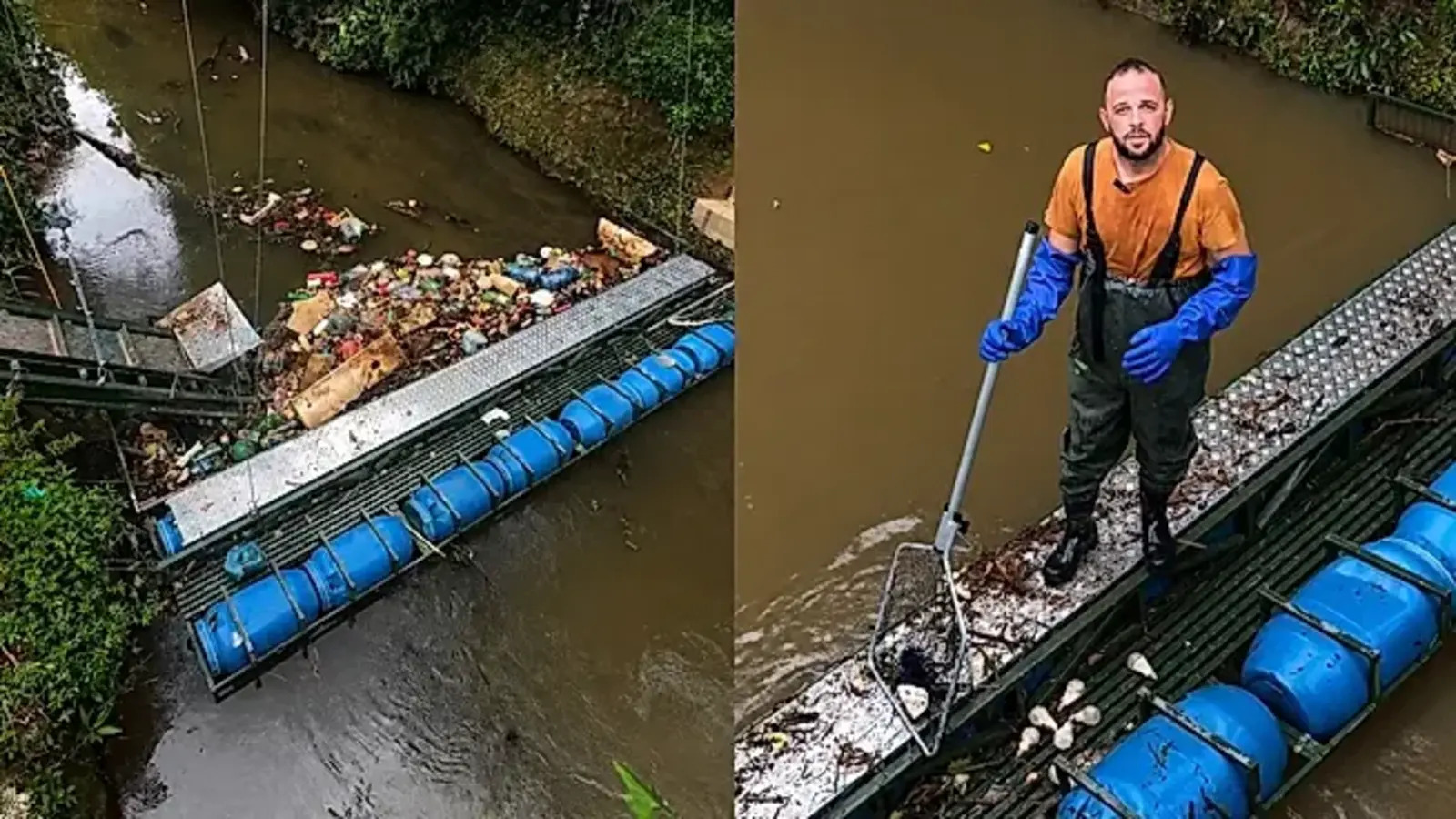
Brazilian promises his children to save a river, creates an eco-barrier in his backyard, has already removed more than 40 tons of trash from the water, and even inspires the idea in other states of the country.

-
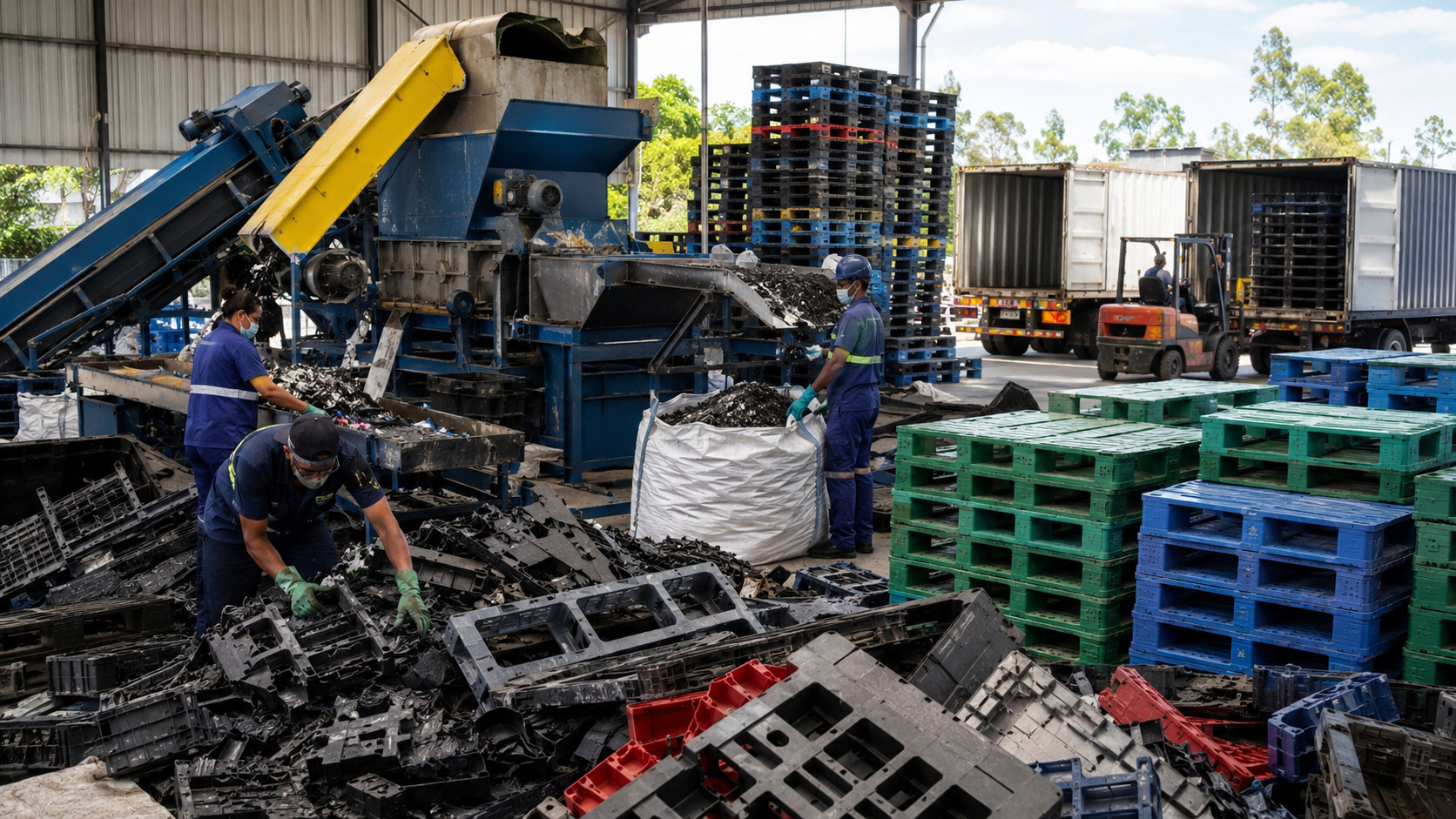
How a Brazilian company created a system that transforms broken pallets of any brand into new assets, recycles 80 tons of plastic per month, and found a profitable solution to a problem that challenges industries across the country.

-
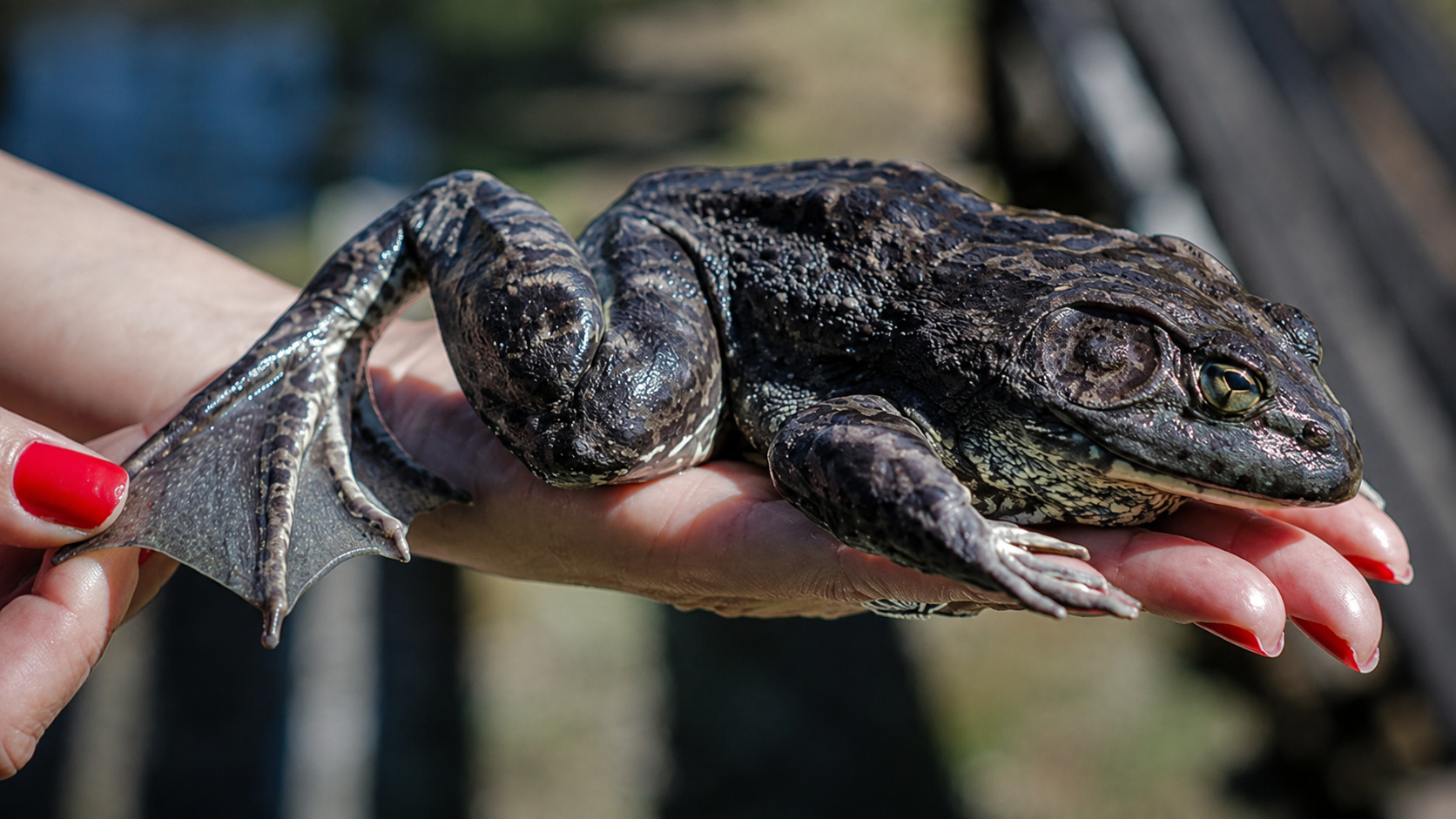
Invasive bullfrog capable of devouring other amphibians and laying up to 20,000 eggs is found in Florianópolis, raising an alert about the threat to native fauna.
-
It looks like a baby, but it’s an adult: meet the Bornean pygmy elephant, the smallest elephant in the world threatened by habitat loss.

Cavalinho, which already has a history of investing in sustainable transportation, is making significant investments in research and infrastructure. In the years to follow, up to 2030, this investment will be rewarded by success in using biomethane as the predominant fuel in its logistics system. The company is distinguished for leading the transition to green practices, becoming a reference for other organizations seeking to reduce their environmental impact.
For its part, Rhodia, part of the Solvay Group, expands its scope toward renewable energies. Since the beginning of its partnership with Cavalinho, it reinforces its position as an example of environmental responsibility. Rhodia and Cavalinho see this cooperation as a lever for introducing processes and technologies that establish a new standard of sustainability in the chemical and transportation sectors.
The steps taken from April 2025 reflect a new era of eco-efficiency where environmental responsibility and innovation meet. With a determined and visible focus, both companies aim for a clear vision to capture and implement the best practices of sustainability, creating a virtuous cycle of energy renewal and green innovation. The decisions made today lay the foundation for decades of sustainable progress.
Transportes Cavalinho is a renowned company in the sustainable transportation sector and plans to replace the use of fossil fuels with biomethane in the transportation of its products. This sustainability initiative fundamentally aims to increase eco-efficiency, significantly contributing to the company’s environmental responsibility. The utilization of biomethane in the operation can reduce the carbon footprint by up to 90% per ton transported per kilometer. This project aligns with the company’s global goal of cutting scope 3 emissions, which are the indirect greenhouse gas emissions throughout the supply chain, by 20% by the 2030 milestone.
Sustainability as a Focal Point
The project will cover the fleet dedicated to serving Transportes Cavalinho’s headquarters in Paulínia, located in the state of São Paulo, recognized as the largest chemical complex in Brazil. This large-scale facility produces over 1.2 million tons of chemical products each year. The official project was launched on April 1, 2025, and practical operations are expected to start in 2026. Initially, the fleet will include 20 vehicles, but this number is expected to increase to 60 trucks by the end of 2030. Each vehicle will be designed to travel a range of up to 650 km, enabling sustainable long-distance operation. This action aims to overcome the challenges of electric truck transport infrastructure in Brazil, proposing a solution based on the use of biofuels.
Environmental Responsibility in Focus
This initiative is part of a larger sustainability strategy, covering operations in Brazil, with a particular focus on the headquarters in Paulínia (SP). The previous year, Solvay announced a project aimed at installing biomass-fed boilers, which will allow the replacement of traditional fossil fuel energy sources, further promoting eco-efficiency. Daniela Manique, president of Solvay, emphasized the company’s strong commitment to climate issues, which guides all its strategies and investments in renewable energy sources such as biomethane. This measure is essential for reducing the company’s carbon footprint and represents a solid foundation for its commitment to sustainable innovation.
Advancing in Sustainability
Solvay is determined to advance towards carbon neutrality, remaining steadfastly committed to sustainability and innovation. At the Paulínia facility, direct emissions from the factories and indirect emissions from CO₂ energy consumption (covering scopes 1 and 2) have already been reduced by 95% since 2025. With the implementation of new projects, the expectation is that this reduction will reach 97% by 2027, solidifying the plant as a global benchmark in chemical production that prioritizes sustainability.
Source: SOLVAY Press







Be the first to react!