Portuguese
  Spanish



Study Indicates Growing Sense Of Risk In Travel
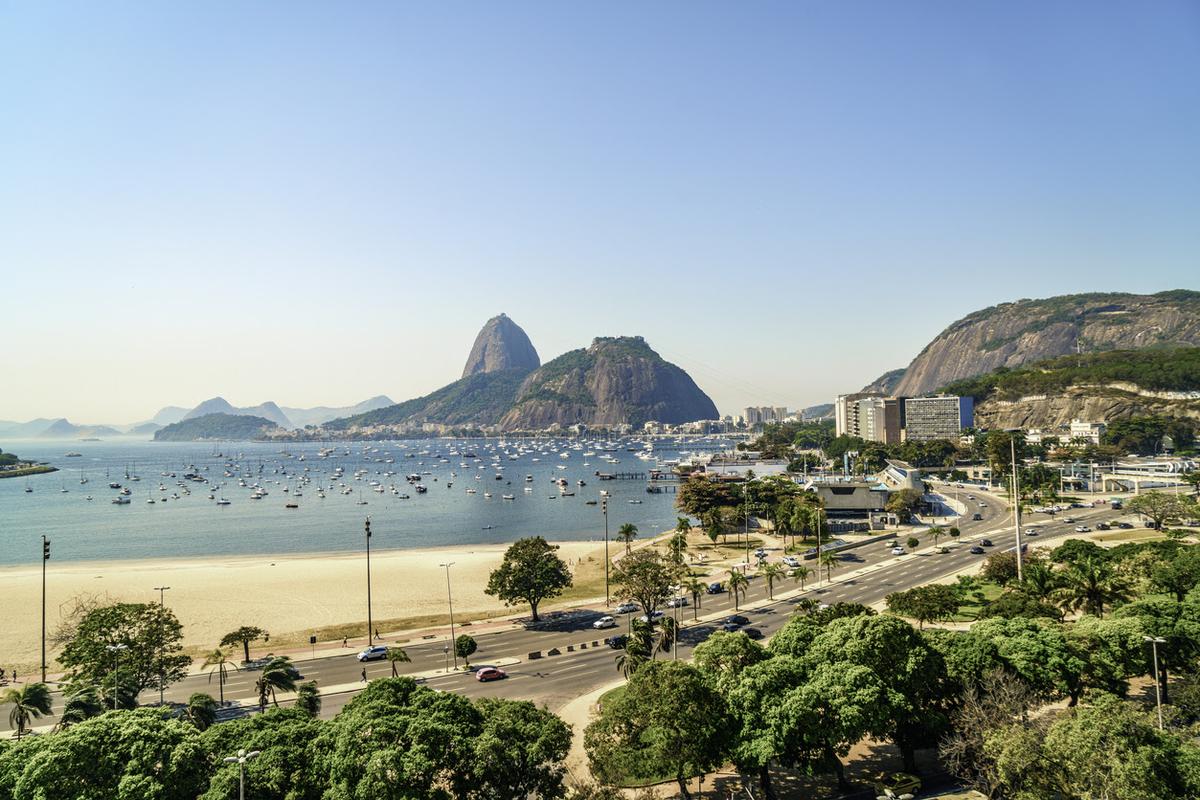
According to a survey conducted in 2025 by DeÔnibus, Rio de Janeiro is the state where Brazilian tourists feel the most insecure during their travels.
According to the data, 41% of respondents associate the Fluminense destination with violence and scams against visitors.
In addition, the states of São Paulo and Bahia follow in the ranking of the most feared regions by domestic travelers.
-
15-Year-Old Entrepreneur Malu Lira Publishes 20 Children’s Books on Financial Education, Earns $500,000, and Expands Her Project to the Amazon Rainforest

-
Entrepreneur Turns Rio Cemetery Canteen into a Successful Snack Chain Generating $4.9 Million Annually and Expanding to Metro Stations

-
Rare fox feared “extinct” found alive on Caribbean island after over two decades without official sightings

-
21-Year-Old Brazilian Student Turns Homemade Popsicle Hobby into $100,000-a-Month Business





This perception reinforces a concern that grows year after year in different security surveys.
Violence And Scams Worry Travelers Across The Country
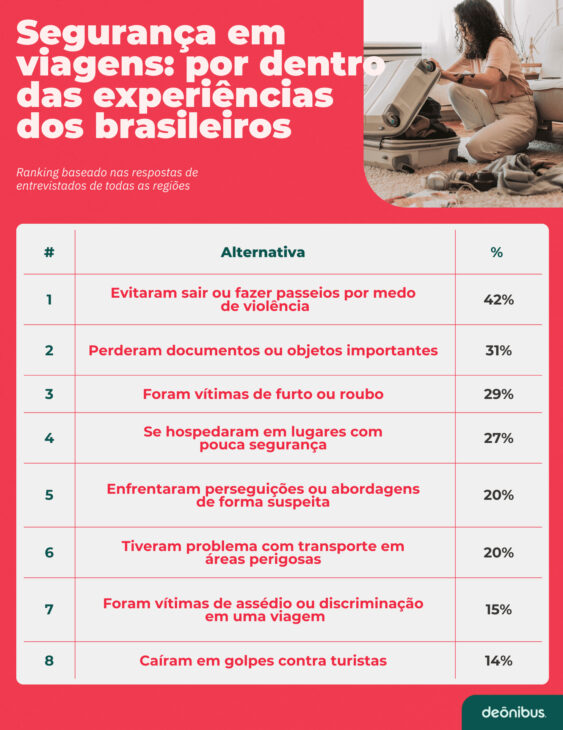
The study interviewed 500 adults from all regions of Brazil and revealed that violence is the main concern for tourists.
Among the collected data, 29% reported having been victims of theft or robbery and 14% stated that they had fallen for scams.
Even more alarming, four in ten Brazilians have skipped sightseeing due to fear.
This result reflects the strong influence of insecurity on travel decisions in 2025, especially in major capitals.
Furthermore, users reported negative experiences in road travel, crowded terminals, and areas deemed risky.
These factors reinforce the seriousness of the situation faced by travelers.
Main Highlights Of The Survey
- Violence is the number one concern for Brazilian tourists.
- Rio de Janeiro, São Paulo and Bahia concentrate the greatest sense of insecurity.
- 29% have experienced theft or robbery during their travels.
- 14% fell for scams against tourists.
- 41% of Brazilians avoid outings due to fear of violence.
These numbers show that insecurity is not just an impression, but a reality shared by travelers across the country.
Most Cited Tips For Staying Safe During Travel
To mitigate these risks, the research revealed some strategies that Brazilians use more frequently.
Among them, 71% of respondents stated that they research extensively before traveling, checking details about accommodation, location, and security history of the destination.
Moreover, 60% avoid going out at night or alone, while 57% refrain from displaying valuable items in public places.
Another important finding shows that 50% prefer not to use cash in busy areas, reducing the chance of robberies.
Additionally, 40% maintain constant contact with family and friends, sharing real-time location.
This practice is even more common among women, the elderly, and vulnerable groups.
Context And Methodology Of The Research
The research was conducted in July 2025 with a confidence level of 95%. Additionally, the margin of error was 3.3 percentage points.
As part of the methodology, the interviews conducted by DeÔnibus included five strategic questions about safety, risks, and best practices during travel.
From these responses, two relevant rankings were structured: one with the most unsafe destinations and another with the most common preventive practices.
Therefore, DeÔnibus’s communication manager, Ana Luiza Mattar, emphasized that “security should be a priority at all stages of planning.”
She also stressed, with emphasis, the importance of reliable websites for purchasing tickets and well-reviewed accommodations.
In light of the results, it is clear that Brazilians not only recognize the risks, but also adapt their behavior to avoid dangerous situations.