Portuguese
  Spanish


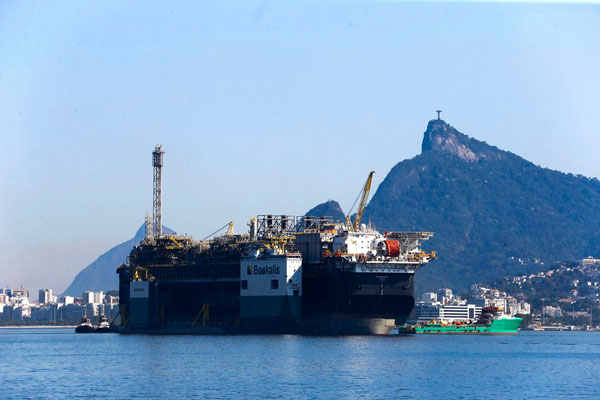

The National Agency of Petroleum, Natural Gas and Biofuels (ANP) revised the projections for royalty and special participation collection by the union and states this year. The revision changed the values, being lower this time.
See Also:
- Construction Industry – Concremat Construction Company Requests Technicians and Engineers for Work This 15th
- Global Demand for Oil Will Suffer Historical Decline This April
- Boilermaker, Instrument Technician, Operator, and Electrician Are Called by Raízen This 15th of April
As everyone knows, the state of Rio de Janeiro is the largest collector of these resources in Brazil and consequently will feel the absence of these more strongly compared to other states.
-
Qantas and Airbus Invest in Company Aiming to Convert Unsorted Household Trash into Jet Fuel

-
Brazil to Issue “Panda Bonds” in China, Aiming to Raise Up to 5 Billion Yuan at Lower Interest Rates Than Dollar Debt
-
NATO Faces Internal Tensions as U.S. Pushes for Increased Defense Spending, Targeting 5% of GDP by 2035, with Warnings for Countries Near 2% Level
-
Brazil to Introduce B16 Diesel with Increased Soybean Oil Content for Trucks by 2026

The expectation is that the government of Rio de Janeiro will collect around R$ 11 billion in royalties and special participations this year, according to the revision made by the National Agency of Petroleum. The new amount is 9% lower than the last estimate of just over R$ 12 billion.
The state of Rio de Janeiro has barely started to recover from the biggest economic crisis in its history and is already at risk of having its “fragile balance” threatened by the drop in revenue from royalties.
OPEC (Organization of the Petroleum Exporting Countries) even tried to reverse the price situation with production cuts, but the drop in demand is still mandatory.