






 Portuguese
  Spanish


The Anticipated Line 3 of the Metro, Which Will Connect Rio de Janeiro to Niterói, May Become a Reality. The Monumental Project, with a Submerged Tunnel in Guanabara Bay, Is Conditional on the Victory in the Bid for the 2031 Pan American Games. Mayors Paes and Neves Promise Progress, Exciting Residents of the Metropolitan Region of Rio. The Estimated Cost Is R$ 4.5 Billion.
Imagine Rio de Janeiro and Niterói Finally United by a Futuristic Metro Line, with a Submerged Tunnel Crossing the Iconic Guanabara Bay.
This vision, discussed for decades, has gained new momentum and a surprising condition: its realization depends on the joint victory of the cities in the bid to host the 2031 Pan American Games.
This proposal, which is already stirring political behind-the-scenes, rekindles hope for a project deemed essential for the mobility of the Metropolitan Region of Rio de Janeiro.
-
Brazil’s 2026 Tax Refund: Record 9.58 Million Filers in Largest Payout Ever, But a Key Detail on Priority Recipients Draws Nationwide Attention

-
Itaú Alters Hybrid Work Model, Increasing Office Days from 2028, Prompting Employees to Adjust to New Routine
-
Facing Labor Shortage, Japan Plans to Invest $34 Million to Attract Foreign Workers in Construction, Healthcare, Industry, and Commerce

-
Brazilian City Makes Remarkable Leap, Becomes 4th Wealthiest in the Country with GDP of R$ 134.1 Billion


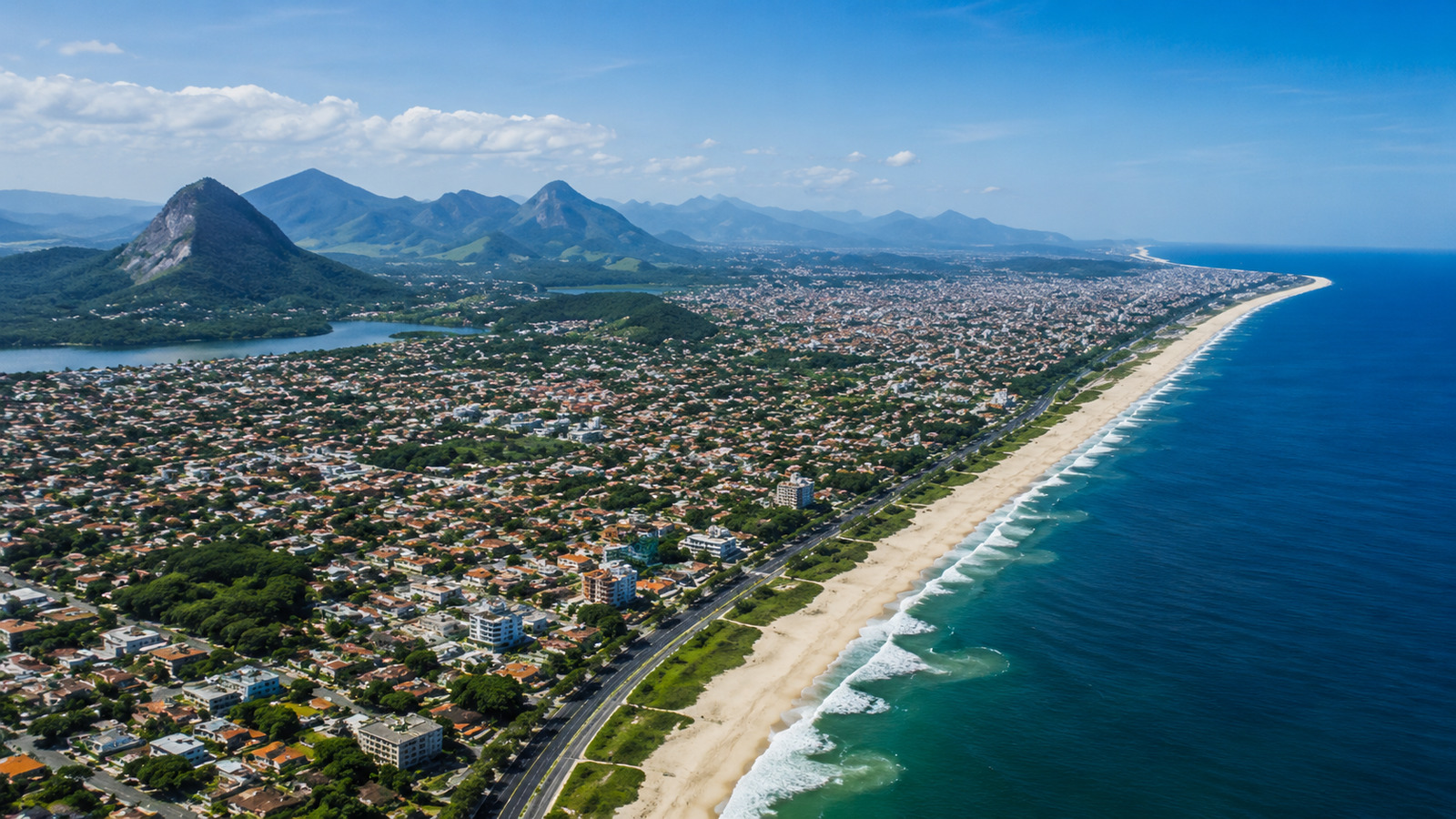
The Famous Line 3 of the Metro, Dreamed of Since 1968, May Finally Become a Reality, but Its Progress Is Conditional on This International Sporting Event.
A Promise That Crosses Generations
The idea of connecting Rio de Janeiro and Niterói through a metro system is not new.
Since 1968, the Line 3 project has been the subject of numerous debates, studies, and even announcements of intentions that never materialized.
The main attraction has always been the proposal for a submerged tunnel under Guanabara Bay, a solution considered modern and efficient to overcome the limitations of ferries and congestion on the Rio-Niterói Bridge.
In 2015, the estimated costs for the work were an impressive US$ 2.57 billion.
Now, with renewed support from mayors Eduardo Paes and Rodrigo Neves, the updated investment amount is estimated at R$ 4.5 billion.
Despite the high numbers, the project is treated as viable and strategic for the region’s infrastructure.
Pan American Games as a Key to Viability
According to local authorities, the joint bid from the cities of Rio de Janeiro and Niterói for the 2031 Pan American Games represents a turning point.
According to Rodrigo Neves, the elected mayor of Niterói, holding the event would provide the necessary stimulus to secure funding and make the construction of Line 3 feasible.
“This is a unique opportunity to turn an old dream into reality”, Neves stated in recent interviews.
He highlighted that discussions with the state government are advancing and that there is sufficient technical and political support to develop the project.
Eduardo Paes, mayor of Rio, shares the same enthusiasm.
Paes recalled the success of Line 4, which connected Barra da Tijuca to the South Zone, and emphasized the importance of a project of this magnitude for metropolitan integration.
He also compared the initiative to Porto Maravilha, another ambitious project that revitalized the center of the capital city.
The Submerged Tunnel: A Monumental Work
One of the most fascinating points of the Line 3 project is the submerged tunnel under Guanabara Bay.
This structure would allow modern trains to cross the region with agility and safety, drastically reducing travel time between the two cities.
Although the construction of a tunnel of this magnitude is challenging, the history of similar projects in other countries demonstrates that it is possible to execute the plan with current technologies.
Furthermore, the experience of Rio de Janeiro with tunnel construction in the city center, such as those in Porto Maravilha, strengthens confidence in executing the plan.
Pan Bid Has Already Been Officialized
The competition to host the 2031 Pan American Games is already underway.
The cities of Rio and Niterói have officially expressed their interest to the International Olympic Committee, highlighting the positive impact the event would have on infrastructure, tourism, and the economy of the region.
The letter of intent, signed by both mayors, represents a milestone in the pursuit of resources and institutional support.
The success of this bid, according to experts, could attract international investments and create a favorable environment to bring Line 3 to life.
The Importance of a Lasting Legacy
Beyond the Pan American Games, the Line 3 Metro project carries the promise of a lasting legacy for the residents of Rio de Janeiro and Niterói.
The metropolitan integration provided by the new line could revolutionize urban mobility, reducing congestion and promoting greater connectivity between the regions.
Even though the cost of the work is high, the prospect of long-term benefits justifies the investment.
According to experts, Line 3 would not only improve the quality of life for public transport users but also boost the economic development of the cities involved.
Final Question: Will the decades-old dream of a metro linking Rio to Niterói come true with the help of the Pan American Games, or will the promise once again remain on paper?







