






 Portuguese
  Spanish


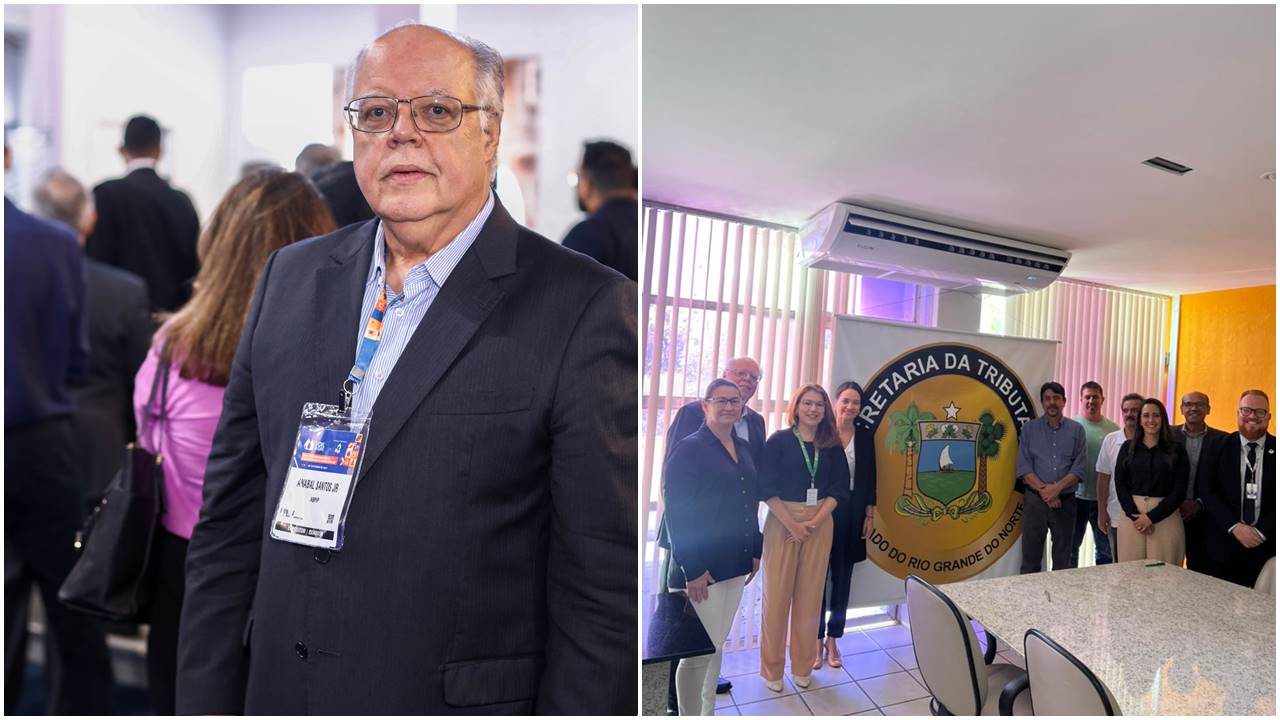

Task Force Created by the Governor of the State Will Present New Bill by the End of November This Year
On Monday (17), the second meeting of the Task Force created by the Government of the State of Rio Grande do Norte was held to discuss the improvement of environmental legislation for the oil and gas activity. The discussion was opened during the Mossoró Oil&Gas Expo on July 6 by Governor Fátima Bezerra.
The Brazilian Association of Independent Oil and Gas Producers (ABPIP) participated in the meeting represented by its Executive Secretary, Anabal Santos Jr., legal advisor Daniela Santos, and analyst Kidja Frasão. Also present were Secretary Carlos Eduardo Xavier, who took over the coordination of the Task Force; Hugo Fonseca, Coordinator of Energy Development for the State of RN; Marina Siqueira and Thereza Montenegro from Potigás; Leonlene Aguiar and Natália Oliveira from IDEMA; in addition to other representatives from the State Government and associated production companies from ABPIP.
At the time, ABPIP and the Foundation for the Development of Science, Technology and Innovation of the State of Rio Grande do Norte (FUNCITERN), in a work led by Professor Mairton França, presented the main challenges imposed by the current state legislation and proposals for adjustments. “We are confident that this joint effort between state government and industry will bring, by the end of the year, the necessary corrections so that we have more transparent and agile processes, leading to cost reductions, improvements in the competitiveness of the State, and the attraction of new investments,” explained Santos Jr.
-
Petrobras to Double Natural Gas Supply in Northeastern Brazil with New Investment

-
Petrobras Approves $1.2 Billion Refinery in Brazil to Produce Aviation Fuel and Diesel from Plants
-
Petrobras Secures $2.2 Billion Contract to Build and Operate Four Support Vessels for Brazil’s Offshore Oil Fields
-
Oil production grows in Rio, but reserve replacement raises a warning sign



It was decided that an internal meeting of the Task Force will be held on November 10 to define the government’s proposal. On November 17, a new meeting will be held with representatives from ABPIP and oil and gas producing companies in the state for the presentation and discussion of the proposal, aiming for alignment with the industry. The forecast is that on November 30, the Bill will be sent to the Legislative Assembly of Rio Grande do Norte.
Task Force
The Task Force was established by SEI Ordinance No. 239, dated June 24, 2022, with the goal of proposing improvements to state environmental legislation regarding oil and gas activities. The Task Force is made up of representatives from the State Secretariat for Planning and Finance (SEPLAN), responsible for coordinating the activities; State Secretariat for the Environment and Water Resources (SEMARH); State Secretariat for Economic Development (SEDEC); State Department of Taxation (SET); Attorney General’s Office (PGE); Institute for Sustainable Development and Environment (IDEMA); and Potiguar Gas Company (POTIGÁS).
The products resulting from the activities developed within the scope of the Task Force will compose a final report to be presented to the State Secretariat for the Environment and Water Resources (SEMARH). The deadline for completing the work was set at 180 days from the publication of the Ordinance.
Proposals Outlined by Oil and Gas Entrepreneurs
- 60-Day Deadline for Authorization for Vegetation Suppression
- Consolidated Licensing: by polygon or by well set, emergence line, road, and collecting station. It allows for cost reduction and greater agility, as the areas and activities to be licensed can be inspected by a single team at one time.
- Prior Definition, in the First Stage of the Request, of All Documents and Studies for Issuing the License and, in cases of the need for supplementary studies during the process, that a justified Technical Note be issued based on legislation. This reduces costs, improves transparency, and shortens the licensing process, as the entrepreneur will be aware of everything required for licensing their activities.
- Guarantee of Area Through the Creation of a Database with Requests from the Oil and Gas Sector: There are cases where upon starting studies for a particular area for oil production, companies are surprised with the release of the same area for other types of ventures.
- Publication of License Requests and Licenses Issued by the Environmental Agency (only on the IDEMA portal and in the DOE): Entrepreneurs understand that publicity is a requirement by federal regulation, but the agent that should make the publicity can be the environmental agency itself, in addition to reducing costs for the entrepreneur, improving the state’s competitiveness.
- Use of Risk Matrix for Classification Regarding Polluting Potential, in Three Levels: Light, Moderate, and High: Proposal based on methodology recommended by IPIECA (global oil and gas association for advancing environmental and social performance) and consistent with the study coordinated by the Brazilian Institute of Petroleum (IBP), with advantages regarding a more current classification of oil and gas sector activities aimed at a risk classification calculated by the probability of occurrence of damage and impact.
- Triennial Adjustment of All Values, Fees, and Public Prices (both for licenses and studies related to oil and gas activities): Using an index that better reflects potential variations in costs related to the issuance of licenses since the indicator used for adjusting charged values (IGP-M) has overestimated the tables compared to Brazil’s inflation indicator (IPCA), as it absorbs the effects of exchange rate variations, misrepresenting the tables against the economic reality. The use of some indicator based on licensing costs is, in the entrepreneurs’ view, more appropriate, as it directly addresses the return of procedural costs.
- The Deadlines for Licenses Will Follow Federal Regulation: The deadlines adopted for the validity of licenses in RN are shorter than those established in federal regulation. This could reduce costs and make the state more competitive.
Source: Simone Azevedo Comunicação


