Portuguese
  Spanish


State Program Invests in Green Hydrogen with Notice of Up to R$ 30 Million per Project and Minimum Business Counterpart
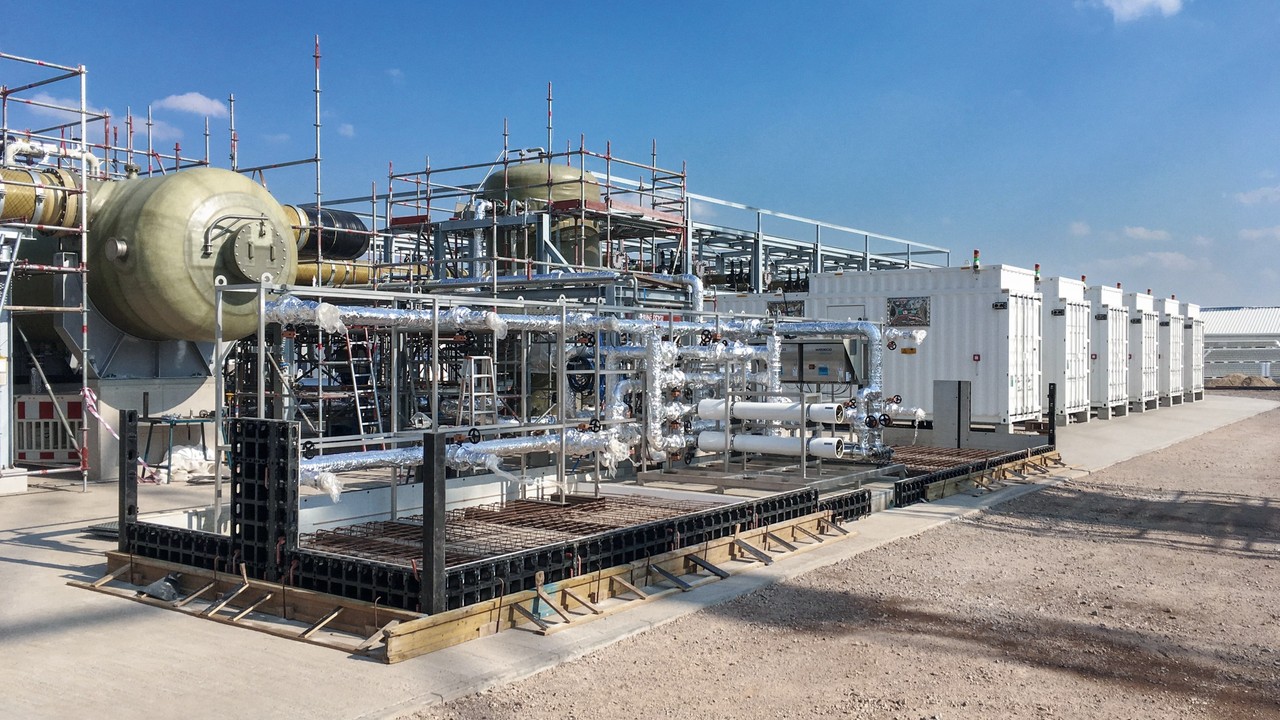
The government of Rio Grande do Sul presented, this Monday (2), a set of measures focused on reducing greenhouse gas emissions and strengthening the use of renewable energies. Among the actions, the highlight was the launch of a notice worth R$ 102.4 million, aimed at encouraging projects related to the green hydrogen (H2V) production chain. This sustainable fuel is produced from renewable sources such as wind and solar energy.
The program was structured based on five main pillars: natural resources, business environment, infrastructure, human capital, and innovation.
To support the actions, the Environment Secretary (Sema) mapped over 90 environmental and infrastructure projects underway in the state. In addition, it considered international commitments made, such as the “Race to Zero” and “Race to Resilience” campaigns.
-
Brazil saved US$ 32.4 billion in 2025 by switching from fossil to renewable energy and only ranked behind China and the United States on the IRENA global podium.

-
Fired during apartheid and with a little borrowed money, an electrician started with a borrowed truck and transformed electrical services into a group connected to energy, real estate, and infrastructure in South Africa.

-
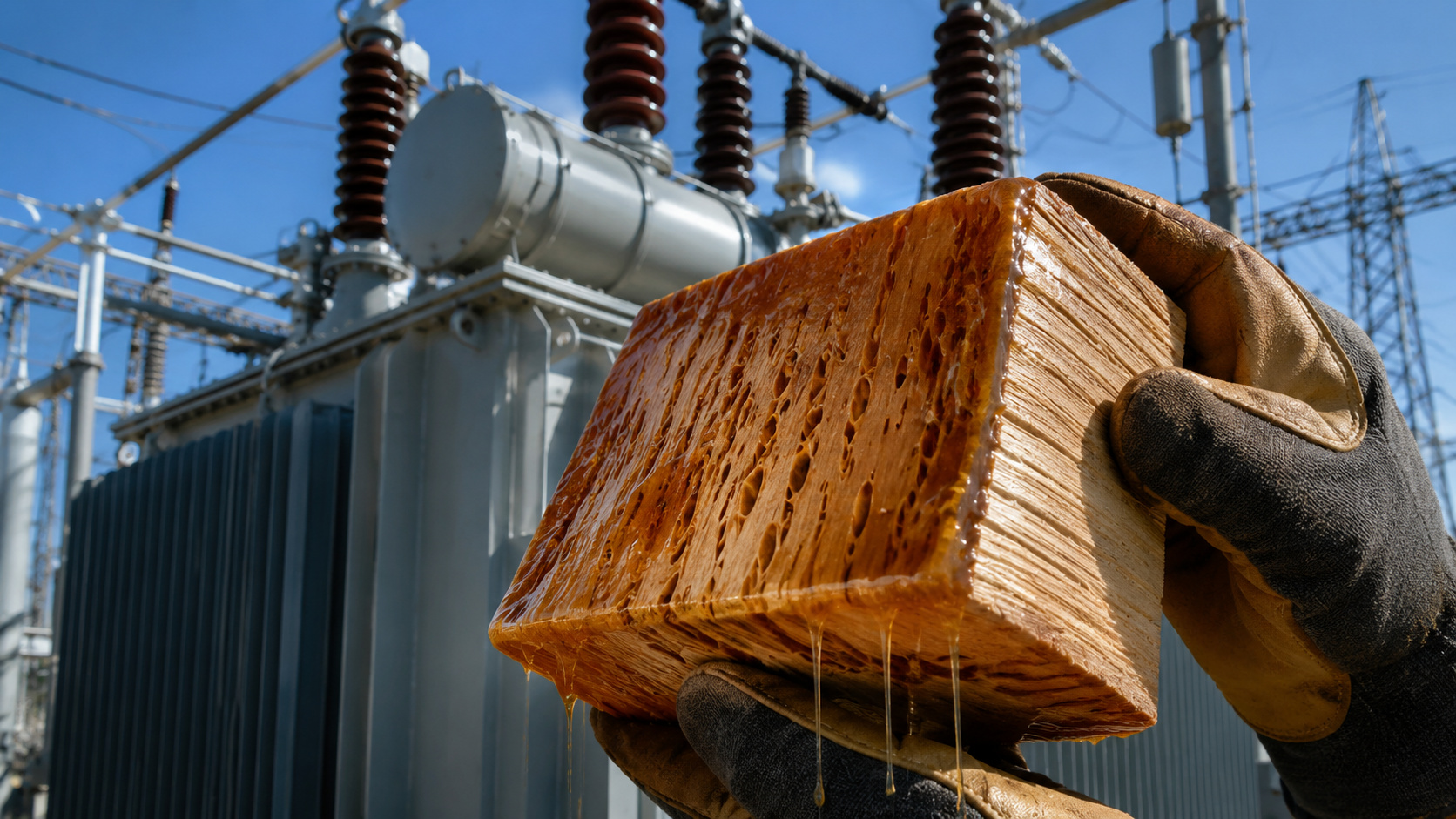
Wood has ceased to be just a construction material in Yale research and has become insulation for electrical transformers that face intense heat, aging, and increasing pressure from the renewable energy-powered grid.
-
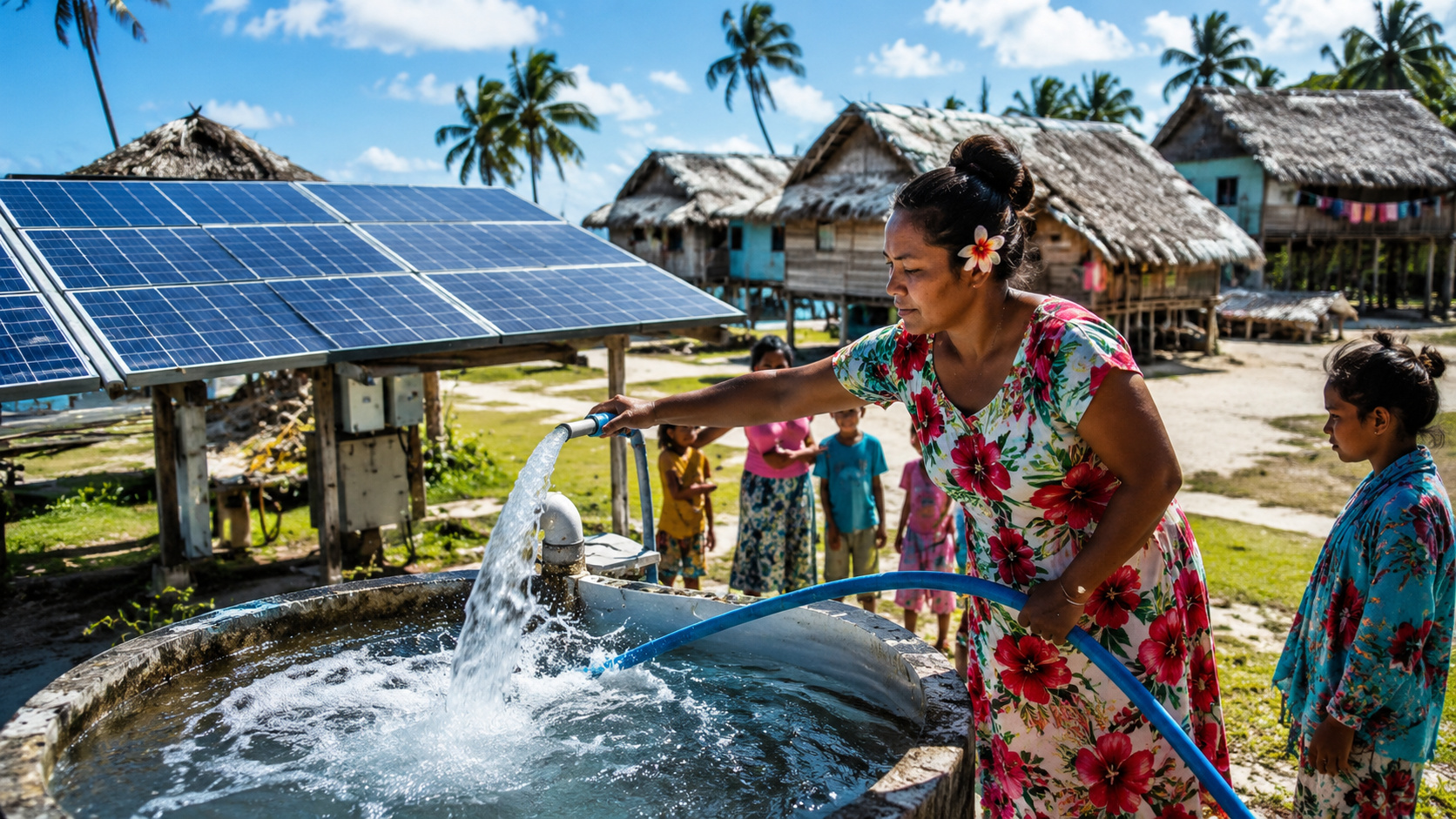
More than 1,000 residents of a remote island in Kiribati now have clean water and electricity with solar systems operated by the community itself.


Notice Provides Incentives for Industries
The notice aims to attract companies that operate at all stages of the green hydrogen chain: production, transmission, storage, and use. The government will offer financial incentives and supportive public policies, in partnership with the development bank Badesul.
Each project may receive subsidies of up to R$ 30 million, provided that the benefiting company offers a minimum counterpart of 30% of the total amount.
The selection process for the projects will occur in seven stages. The phases include registration, analysis, contracting, and monitoring of investments. Selected projects will have a maximum period of 24 months to be completed.
The complete version of the notice will be published soon in the Official State Gazette, with more details available on the portal proclima2050.rs.gov.br.
Decarbonization Strategy Underway
The official announcement was made at Cais Mauá, in Porto Alegre, with the participation of Governor Eduardo Leite and the Environment Secretary, Marjorie Kauffmann. The Chief Secretary of the Civil House, Artur Lemos, was also present.
During the event, the government launched the booklet “Decarbonization: The RS Strategy to Reduce Environmental Impacts on the Planet.” The document explains the importance of reducing carbon emissions and presents initiatives already in execution, such as Biogas-RS and the Green Hydrogen Masterplan.
According to Artur Lemos, Rio Grande do Sul has been consolidating a favorable environment for the sector since 2019, with concrete results achieved in 2022, demonstrating the state’s potential to attract investments in this area.
With information from Terra.