






 Portuguese
  Spanish


China Advances Automation and Already Replaces Humans with Humanoids in Electric Vehicle Factories! UBTech Robotics Deploys Dozens of Robots in Production, and Tesla Follows the Same Path. Will This Be the End of Human Workers? See How This Revolution Impacts the Future of the Industry!
The revolution in the automotive industry is taking on new contours, and this time, China is at the forefront.
The advancement of artificial intelligence (AI) and robotics is transforming the way vehicles are manufactured, bringing humanoid robots capable of performing complex tasks, previously carried out exclusively by humans, to production lines.
The Chinese company UBTech Robotics, based in Shenzhen, announced the deployment of dozens of Walker S1 humanoid robots at the Zeekr EV electric vehicle factory located in the port city of Ningbo. The goal is clear: to increase efficiency, reduce operational costs, and accelerate production through automation.
-
Humanoid Robots Transition from Demonstrations to Real Work in Factories

-
Anti-poaching patrol in Thailand accidentally discovers hidden cave with 2,000-year-old petroglyphs, geometric engravings, and mysterious three-finger patterns on sandstone walls.

-
Russia Deploys Largest Nuclear Icebreaker in Arctic Capable of Breaking Through Three-Meter-Thick Ice
-
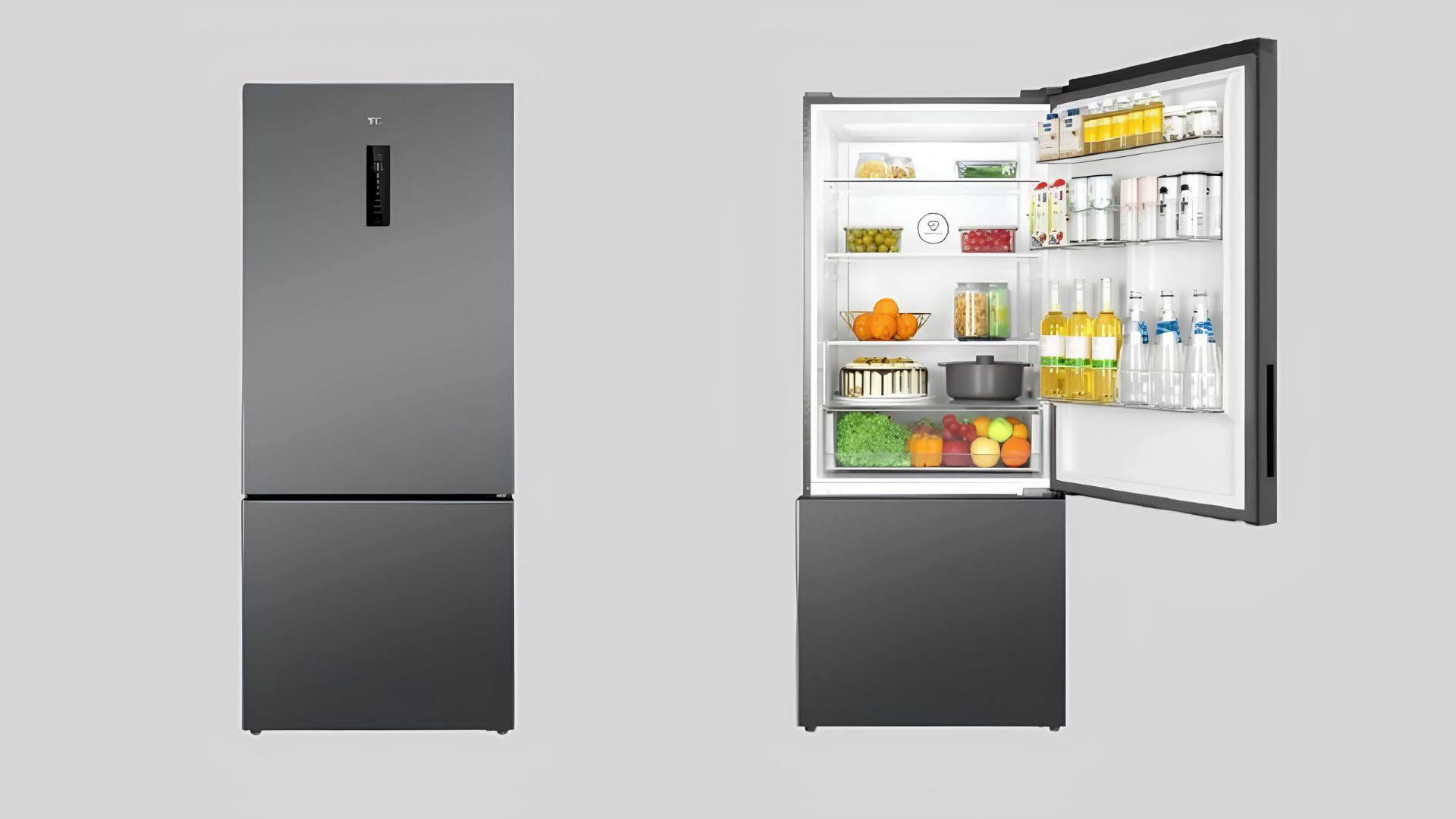
TCL Launches Energy-Efficient Refrigerator in Brazil, Promising 70% Less Consumption Than Competitors




Robots on the Production Line: A New Era
UBTech, which is listed on the Hong Kong Stock Exchange, confirmed that the robots underwent rigorous testing before being incorporated into the assembly line.
The humanoids have been programmed to perform interconnected and highly specialized tasks, such as moving heavy loads, organizing materials, and executing precision tasks at different points in the production process.
The Walker S1 robots operate autonomously, communicate with each other, and adjust their operations in real time, without the need for constant human intervention.
This represents a significant leap for the manufacturing industry, as it allows processes to be optimized quickly and efficiently.
China at the Forefront of the Industrial Revolution
The use of humanoid robots in automotive production is a reflection of China’s increasing competitiveness in the tech sector.
Companies in the country are heavily investing in automation to enhance their production capabilities and ensure that the growing demand for electric vehicles is met quickly and with quality.
Zeekr, an electric vehicle brand owned by the Geely Auto conglomerate, is one of the giants in the sector that is betting on this transformation.
The implementation of UBTech’s robots in its factories demonstrates the company’s commitment to using cutting-edge technologies to ensure more precision and efficiency in production.
Elon Musk and the Race for Humanoid Robots
China’s initiative is not isolated. Elon Musk, billionaire and CEO of Tesla, has also revealed ambitious plans for the use of humanoid robots in its factories.
At the end of January, Musk announced that Tesla plans to deploy 10,000 Optimus robots in its production units throughout the year.
While it is still unclear how many robots are already active in the automaker’s facilities, the company has revealed that at least two Optimus robots have been operating fully autonomously since June 2024.
This advancement also places the United States in the race for a more automated and efficient automotive production.
What Are the Impacts on the Industrial Sector?
The growing use of humanoid robots on assembly lines brings significant benefits but also raises challenges.
The main advantage is the ability to accelerate production, reducing costs and minimizing human errors.
With robots taking over repetitive and physically demanding tasks, companies can reconfigure their workforce for more strategic and creative roles.
However, increasing automation also raises concerns about the future of jobs in the industrial sector.
As more factories adopt robots, there is a significant shift in demand for professionals skilled in AI and robotics maintenance, while traditionally operational roles may be diminished.
The Future of Industrial Production
What is happening in China and Tesla is just the beginning of a new era.
With advancements in AI and robotics, more companies are expected to adopt humanoids in their production lines, making automation a common reality in the automotive industry and other sectors.
UBTech’s Walker S1 robots and Tesla’s Optimus represent a glimpse into the future. The evolution of these machines promises to reshape the concept of a smart factory, with faster, safer, and more efficient production. The question remains: are we prepared for this transformation?







Em grande escala futura da automação robótica nas empresas em geral onde se fala em diminuição de custos. Afinal os seus produtos serão vendidos para milhões de desempregados endividados? Ou seria um tiro no pé dessas empresas? Ou melhor, vão criar um novo vírus para ter um equilíbrio populacional para evitar o caos? Qual seria o equilíbrio entre 8 bilhões de abitantes e as automações empresariais? Na verdade, eu nunca acreditei na inteligência humana eu sempre achei ela perversa e mesquinha o fim da humanidade e inevitavelmente cruel.
Provavelmente o governo vai pegar o dinheiro de impostos quê o contribuinte paga vai comprar robôs,vai tirar o emprego de quase todos cidadão, ônibus autônomo, caminhão autônomo,o serviço de transporte público vai ser tudo autônomo, então vagas de emprego vai ficar difícil vai ter muitos motorista de ônibus caminhão vão migrar para outras áreas então vira o colapso social tudo ficará mais difícil, corremos até o risco no futuro de a ia querer nos matar.
Hoje talvez as locadoras ainda compre carros para humanos dirigirem de Uber. Quando os carros forem autônomos, não teremos nem passageiro com dinheiro no bolso pra se locomover.
Nos anos 80 os funcionários de produção de montadora tinham carro na garagem. Hoje, mal compram motos.
Hoje vejo que o salário normal está abaixo de R$5.000 mesmo para formados em nível superior.
Não sei onde vamos parar… Espero que daqui quinze anos, ainda tenha empregado pagando INSS e eu consiga me aposentar.