





 Portuguese
  English
  Spanish
  5 min of reading
  0 comments


While Japan debuts rare earth mining on the seabed and the United States digs deposits in the desert, Brazil sits on one of the largest reserves on the planet of these strategic metals and has barely begun to exploit this wealth.
The world has entered a silent but decisive race for the so-called rare earths, the group of metals that power powerful magnets, electric cars, electronics, and high-tech weapons. Japan has just mined them from the seabed, the United States is reactivating deposits in the desert, and China dominates refining. And Brazil, which has everything to shine in this story, still watches from the sidelines.
The country hosts one of the largest known reserves of rare earths on the planet, with projects in Minas Gerais and northern Santa Catarina. The potential is enormous, but so far Brazil exports the ore almost raw and barely takes advantage of the most valuable part of the chain, which is to transform these metals into high-tech products. It’s like sitting on a treasure without knowing, or without wanting, to open it properly.
The metals the whole world is vying for
Despite the name, rare earths are not exactly rare in the Earth’s crust, but they are scattered and difficult to extract and refine viably. What makes them so valuable is the fact that they are irreplaceable in cutting-edge technologies. Without them, there are no tiny, powerful magnets that make electric car motors spin, nor much of modern electronics and military equipment.
-
From a bicycle shop in SC to the factory that popularized the cooktop in Brazil: Fischer invests R$ 20 million to modernize the unit that produces 200,000 items per month and aims for billion-dollar revenue after reaching R$ 670 million.

-
Labor shortage: even with good salary, the profession faces a deficit of 530,000 workers in Brazil and helps explain one of the highest employability rates in the country.

-
While PIX makes life easier for millions of Brazilians and gains international recognition, the US targets the Brazilian system in a commercial investigation; the system is growing at an accelerated pace, moving billions and challenging Visa and Mastercard in Brazil.
-
Suriname, Brazil’s neighbor, has confirmed gas and is now targeting oil in Block 52, fueling the dream of becoming a new energy giant.




I confess I find it fascinating how such a strategic resource goes unnoticed by most people. Whoever controls the rare earths holds a key piece of the economy and defense of the future, and that’s why powers like Japan, the United States, and China are moving so much to ensure their access. Brazil, with its giant reserve, should be at the center of this dispute, not in the stands.
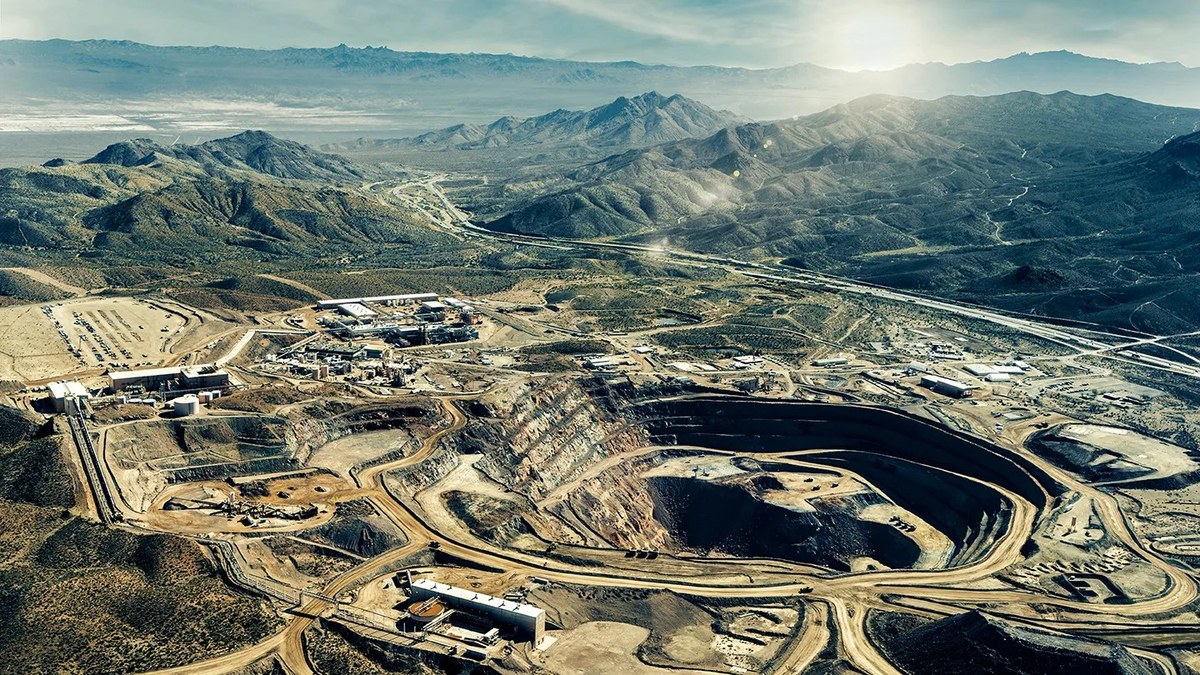
The world runs, Brazil hesitates
While Brazil hesitates, the rest of the world accelerates. Japan went to seek rare earths from the seabed, in a pioneering feat. The United States is reactivating mines and investing to reduce dependence on China. And China itself not only extracts but dominates refining and product manufacturing, dictating prices and rules. Each of these advances increases the distance between those who lead this economy and those left behind.
The difference is not in having the ore, but in what is done with it. Brazil has the rare earths, but exports the cheapest part of the chain and would import back the expensive products made with them. It’s like selling wheat and buying bread, earning little and depending on others for the stage that really makes a profit. This logic, repeated in various sectors, is an old and well-known trap of the Brazilian economy.
To understand the size of the waste, it’s worth looking at where the real money is. Raw rare earths ore is worth a fraction of what a ready magnet is worth, and even less compared to an electric car motor or military equipment made with it. At each stage of transformation, the value multiplies, and it is precisely in these stages that China has specialized and become rich. Those who only sell the stone get the thinnest slice of a huge cake. If Brazil could climb this ladder, processing the ore and manufacturing the final products at home, it would retain in the country a wealth that today slips through its fingers, generating qualified jobs, technology, and independence instead of just shipping cheap ore abroad.
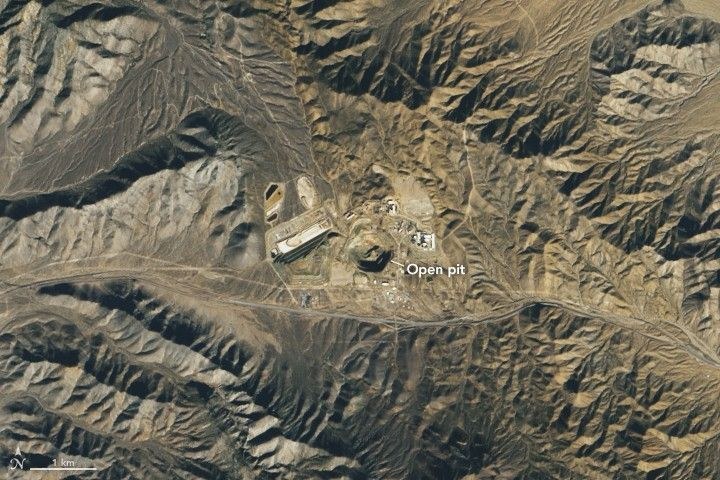
Why Brazil takes so long
The reasons for Brazil taking so long to exploit its rare earths are well-known. Lack of investment, unclear rules, precarious infrastructure in the regions of the deposits, and the old tendency to export raw materials instead of industrializing. Add to this legitimate environmental concerns, as the refining of these metals is dirty and complex, and the result is much slower progress than the potential would allow.
The good news is that something is starting to move. There are rare earths mining projects advancing in Minas Gerais and northern Santa Catarina, and investor interest is growing. But truly advancing would require more than digging; it would be necessary to attract processing industries, train qualified labor, and treat this wealth as a national strategy, not just another ore to ship raw abroad.
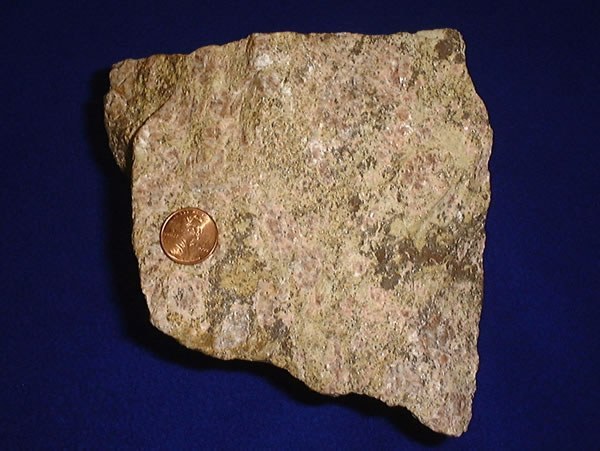
The wealth Brazil has yet to embrace
I imagine the size of the opportunity that Brazil lets slip away every year that passes without truly transforming its wealth of rare earths into industry and development. It is a valuable resource, increasingly contested, waiting for the country to finally embrace it with the ambition it deserves, before others take the lead for good.
The global race for rare earths shows that time is precious, and those who take too long risk becoming eternal supporting players. Brazil holds a very valuable card in the game of the future economy, but has yet to decide to play it with determination. Turning this giant reserve into real wealth, without turning it into lament, is a challenge the country needs to face while the whole world is chasing the same treasure, because opportunities like this don’t usually wait for those who take too long to decide.
Why does Brazil take so long to transform a wealth that the whole world is vying for into real development?





Be the first to react!