






 Portuguese
  Spanish
  2 min of reading
  1 comment


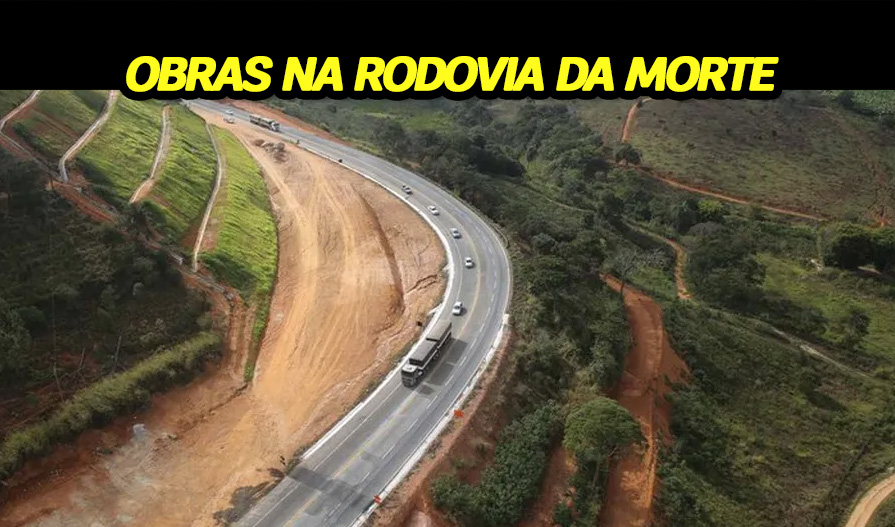

For more than three decades, drivers and passengers traveling on BR-381, known as the “Highway of Death”, lived in constant fear, facing dangerous curves and heavy vehicle traffic.
The long-awaited concession of BR-381, which connects Belo Horizonte to Governador Valadares, may finally come to fruition.
The auction, which will be held at the B3 headquarters, features two companies competing for the concession of this 304-kilometer highway known for its high number of fatal accidents.
The stretch, which passes through the Steel Valley, is home to large steel mills and is vital for heavy vehicle traffic.
-
Brazilian Joins Homeownership Consortium, Faces Decade of Dual Payments Totaling $141,000, Surpassing Traditional Mortgage

-
Land Rover to Halt Production in July, Putting 371 Jobs at Risk, as Chinese Automaker Negotiates to Convert Factory to 100,000 Vehicles Annually by 2027

-
Bolivian Female Construction Workers Form Association to Combat Discrimination and 38% Pay Gap in the Industry
-
Mexican Pest Threatens U.S. Cattle Herds at Historic Lows, Potentially Boosting Brazilian Beef Exports as Burger Prices Soar


High Expectations, But Risks Persist
The previous governments of Jair Bolsonaro (PL) and Luiz Inácio Lula da Silva (PT) attempted, unsuccessfully, to auction this road, facing difficulties in attracting interest due to high engineering risks and uncertainties about financial returns.
Now, two groups have submitted proposals, raising hopes that the project will finally be realized. According to CNN Brasil, one of the consortia is led by Aterpa and JMalucelli, while the other involves Grupo Opportunity and the operator Monte Rodovias.
Investments and Responsibilities
In the new project model, the winning concessionaire will need to invest about R$ 9 billion over the next 30 years.
134 kilometers of the highway will be duplicated, including remaining works and new stretches, in addition to the construction of 83 kilometers of additional lanes, nearly 10 kilometers of access roads, 20 walkways, and 15 wildlife crossings.
There was also an important change: critical sections near Belo Horizonte, which require expropriations and removal of irregular homes, have been transferred to the responsibility of the public sector, thus reducing risks for investors.
Expectations for the Future of the Highway of Death
Even with the auction approaching, BR-381 remains an engineering and management challenge. The winding road and heavy traffic still pose significant risks, and the viability of the project will depend on the future concessionaire’s ability to execute the promised improvements.
Moreover, years of unfulfilled promises have generated skepticism among highway users, who are waiting for concrete changes.
Hope or More Empty Promises?
The key question that remains is whether Thursday’s (29) auction will mark the beginning of a new era for BR-381 or if it will just be another empty promise.
Will drivers finally be able to travel on a safer highway, or will this concession face the same obstacles as previous attempts? The future of the “Highway of Death” is at stake, and the outcome of this auction could determine the fate of thousands of lives.





Papai Noel existe!