






 Portuguese
  Spanish


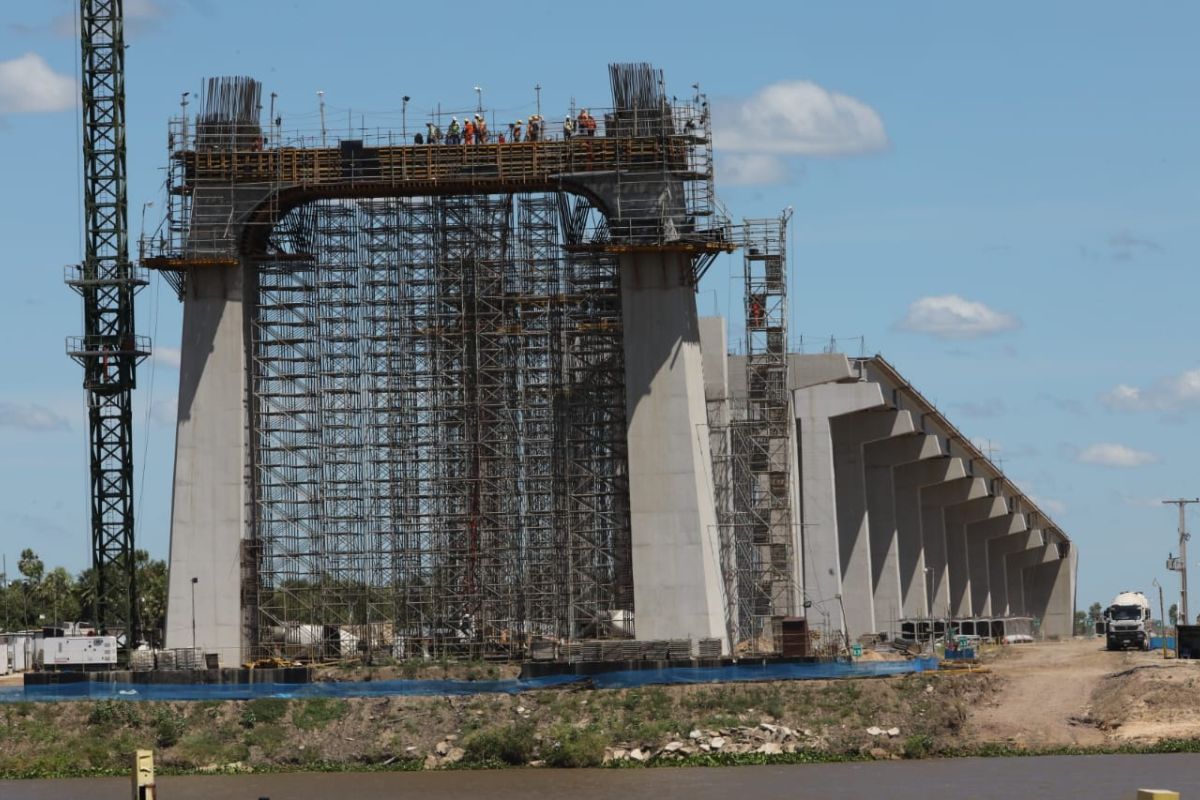

With the Resumption of Work on the Paraguayan Stretch, the Bioceanic Route (Brazil-Paraguay) Advances to Connect Brazilian Agribusiness to the Pacific, Promising to Cut Costs and Export Time to Asia.
One of the most anticipated infrastructure projects in South America is gaining new and decisive momentum. The Bioceanic Route (Brazil-Paraguay), which promises to create a roadway corridor linking the Atlantic Ocean to the Pacific, has resumed work in Paraguay following a US$ 354 million investment. The initiative is seen as a true logistical revolution, especially for Brazil.
For Brazilian agribusiness in the Midwest, the route represents a paradigm shift. By creating a shorter and more efficient path to the ports of Chile, the project is expected to reduce export travel time to Asia by up to 20 days, lowering freight costs and increasing the competitiveness of products like soybeans, corn, and meat. The heart of this connection, the bi-national bridge over the Paraguay River, is still under construction and symbolizes a new era of integration.
What Is the Bioceanic Route?
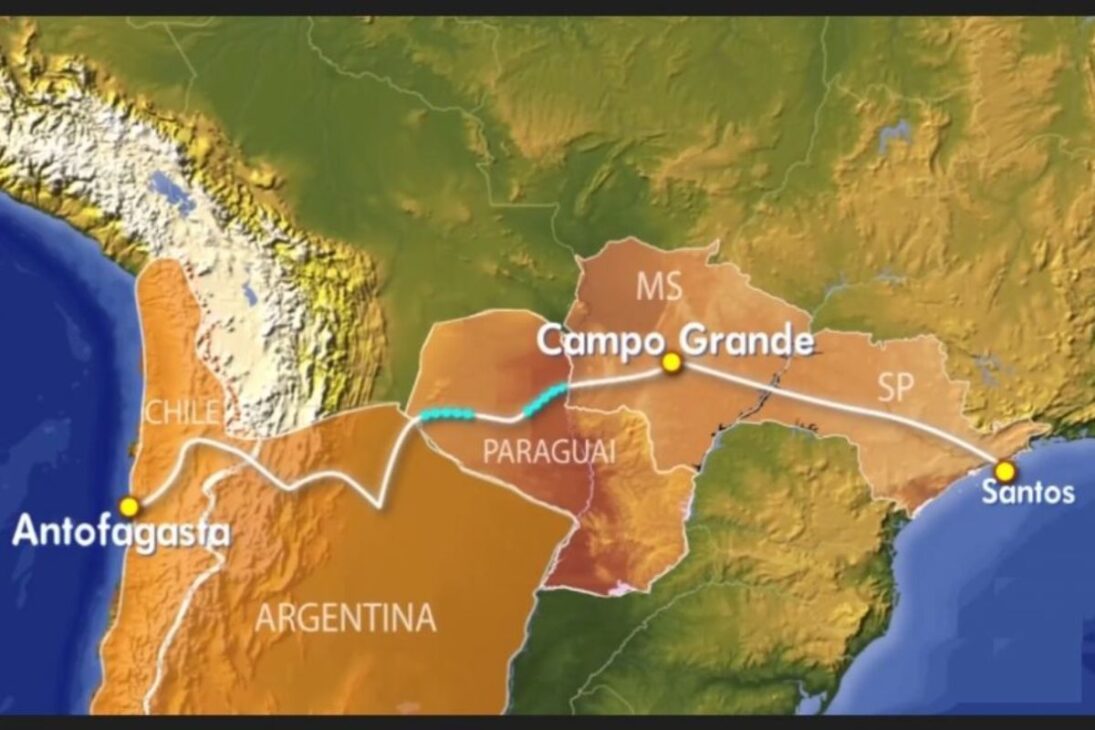
The Bioceanic Route (Brazil-Paraguay) is a roadway corridor approximately 2,400 km long that will cross four countries: Brazil, Paraguay, Argentina, and Chile. The goal is to create a strategic exit to the Pacific Ocean, connecting the productive heart of South America to the largest consumer markets in the world, in Asia.
-
Brazilian Researchers Develop Plant Fiber Cement Absorbing 100 kg of CO2 per Cubic Meter, Aiming for Low-Carbon Construction

-
Brazil’s Largest Sewage Plant Boosts Capacity with New High-Performance Pumps, Treating Over 1 Billion Liters Daily
-
Brazilian Mother and Homemaker Becomes Bioconstructor, Builds 24-Ton Earth Dome and Teaches Technique Across Argentina
-
Manchester Builds 40 Furnished Homes for the Homeless Under Railway Arches, Complete with Community Hall, Laundry, Garden, and Sports Court


The most crucial stretch for Brazil is the connection between Porto Murtinho in Mato Grosso do Sul and Carmelo Peralta in Paraguay. This link is being made possible by the construction of a 1,294-meter bridge over the Paraguay River, financed by Itaipu Binational.
The Resumption of Work and Progress of the Project
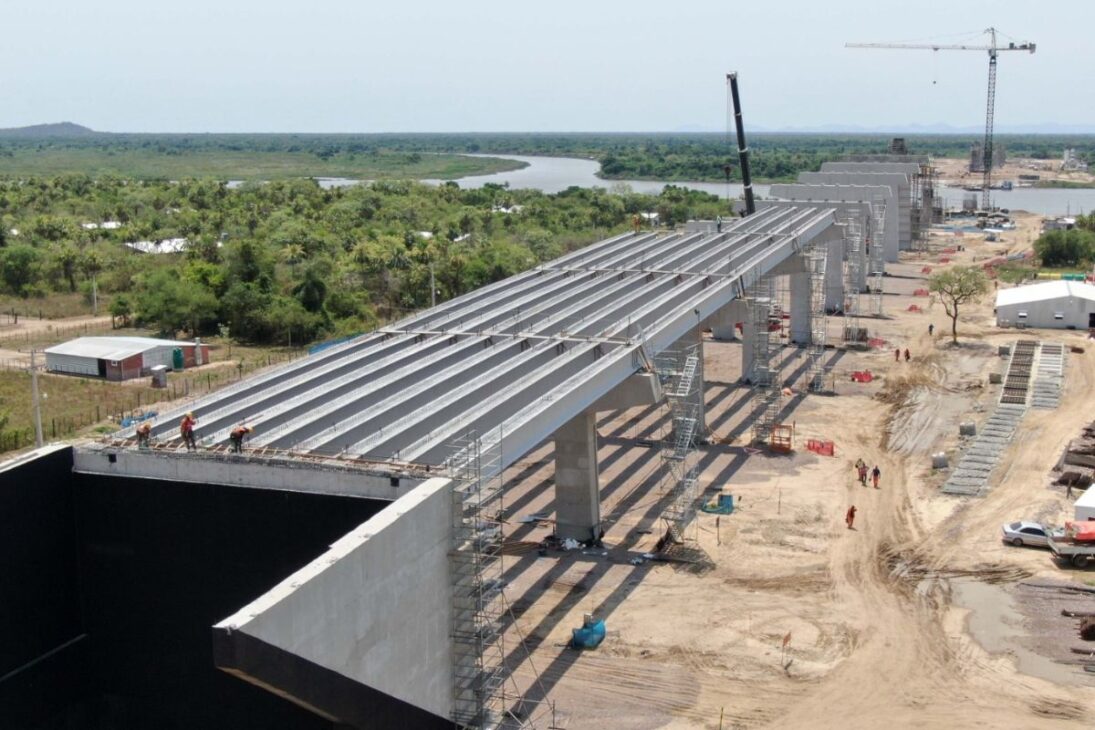
After a halt due to heavy rains, work on the Paraguayan side resumed in mid-2025, with an investment of US$ 354 million for the paving of a crucial 220 km stretch of the highway.
Meanwhile, in Brazil, the bridge construction is advancing, with a completion forecast for the first half of 2026. The government of Mato Grosso do Sul is also heavily investing in road access, ensuring that the infrastructure is ready for the increased truck traffic.
Economic Impact: A New Route to Wealth
The benefits of the Bioceanic Route (Brazil-Paraguay) for the Brazilian economy are enormous. Studies by the Company for Planning and Logistics (EPL) indicate that the new route can:
- Reduce logistics costs by up to 30%.
- Decrease transport time to China by up to 20 days, avoiding passage through the Panama Canal.
- Generate an annual gain of R$ 10 billion just from exports from Mato Grosso do Sul.
- Create about 5,000 direct jobs during construction and more than 20,000 indirect jobs with operation.
Challenges and the Future of South American Integration
Despite the optimism, the project faces challenges, particularly in the environmental area, with concerns about its impact on the Paraguayan Chaco and indigenous communities. Socio-environmental agreements have been established to mitigate these risks but will require constant monitoring.
The Bioceanic Route (Brazil-Paraguay) is more than just a road; it is a geopolitical project that strengthens Mercosur integration and increases Brazil’s logistical sovereignty, creating an alternative to traditional routes and bringing the country closer to its largest trading partners.
And you, what do you think of the Bioceanic Route (Brazil-Paraguay)? Do you believe it will be the big revolution for agribusiness and logistics in Brazil? Share your opinion in the comments!


