






 Portuguese
  Spanish


In Ponta Grossa, Paraná, Moisés Santos Rodrigues became a city figure by running backwards through the streets every day. Nicknamed the King of Reverse, he runs 5 km in 30 minutes in the opposite direction, turned the challenge into an unusual routine, and went viral: the story became a viral hit on social media.
Imagine driving down an avenue and encountering a man running fast, but backwards, looking behind as he moves forward. This improbable scene repeats almost every day on the streets of Ponta Grossa, in the Campos Gerais of Paraná, and has turned an ordinary resident into one of the most talked-about characters in the city. The question everyone asks upon seeing him is the same: who, after all, decides to run backwards through the entire city?
The answer has a name and surname. According to aRede, a portal from Campos Gerais, it is Moisés Santos Rodrigues, 29 years old, a resident of Vila Maracanã, who adopted the reverse movement as his trademark and earned the nickname King of Reverse. The performance is as impressive as the image: Moisés claims to cover 5 km in about 30 minutes running backwards, a pace that many people can’t reach even running forwards.
How the King of Reverse was born
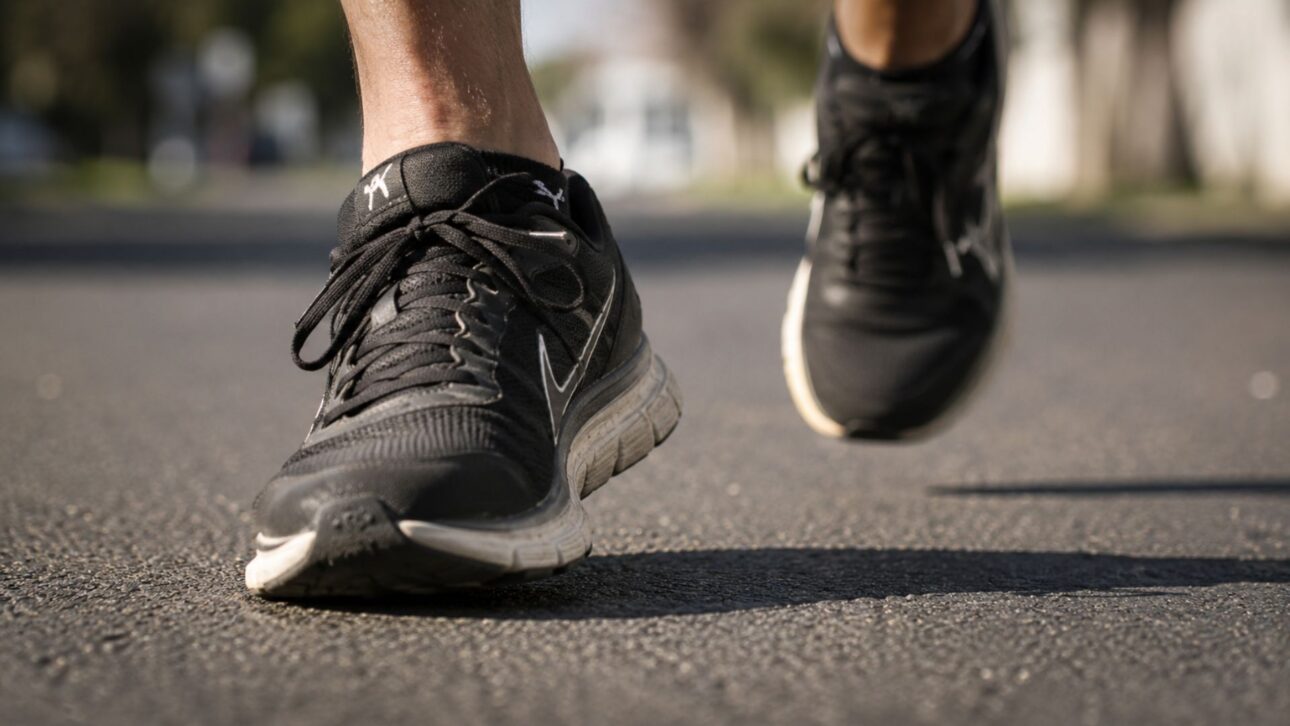
The story began unpretentiously, from a bet made with a friend Moisés met in the city of Goioerê, also in Paraná. She challenged him to run backwards, he accepted, won the bet, and heard from the friend herself a phrase that became a prophecy: “go ahead, you’ll make a career out of it,” the push he needed for the joke to become serious.
-
Woman Finds $1,200 Diamond Bracelet Hidden in $8 Goodwill Thrift Store Bag

-
Construction Workers in Germany Uncover Nearly Intact 29-Ton StuG III Tank Buried for 80 Years
-
Ohio Restaurant Owners Close for a Week to Take All 60 Employees on a Bahamas Cruise with Full Pay
-
Brazilian Mother Turns Pasta Business into $12,000 Monthly Success Using YouTube and TikTok for Marketing and Web Design Skills


What could have ended there, like a one-afternoon joke, ended up embraced as a lifestyle. Instead of keeping the skill as a curiosity, Moisés decided to take it seriously and incorporated running backward into his daily routine on the streets of Ponta Grossa. This is how a silly bet turned into a public identity, and the anonymous resident of Vila Maracanã became recognized and greeted by the nickname he himself turned into a brand, the King of Reverse.
5 km in 30 minutes: the impressive mark
What surprises those who hear the story is not just the gesture, but the number that accompanies it. Running backward requires balance, coordination, and doubled confidence, and yet Moisés says he covers 5 km in about 30 minutes in this reversed direction. For comparison, this pace of about six minutes per kilometer would be a respectable performance even for a conventional amateur runner, which makes the mark of someone running backward even more impressive.
Maintaining this reverse speed through the city is not trivial and reveals preparation built with practice. The human body was not designed to move backward at high speed, and mastering this movement involves training muscles, reflexes, and spatial perception in a different way than usual. Therefore, more than an eccentricity, Moisés’s performance is also a small physical feat, the result of daily repetition that turned running backward from an unlikely challenge into a real and measurable skill.
Why running backward is good, according to science
What seems like just an oddity actually has backing in sports studies. The so-called reverse running, known abroad as “retro running,” is studied by physical trainers and physiotherapists precisely because it activates muscle groups that are little used in traditional running. According to specialists cited in Massa, practicing 10 to 20 minutes of walking or running backward a few times a week can already bring both physical and mental benefits, improving balance and conditioning.
The gains go beyond what is imagined at first glance. Moving backward tends to reduce the impact on the knees, strengthens the back of the legs, improves posture, and requires a level of concentration that also exercises the brain. This is why the practice appears in rehabilitation programs and in athletes’ training worldwide, which helps take running backward out of the realm of mere curiosity and place it in the field of a physical activity with foundation.
The unusual routine that became a lifestyle
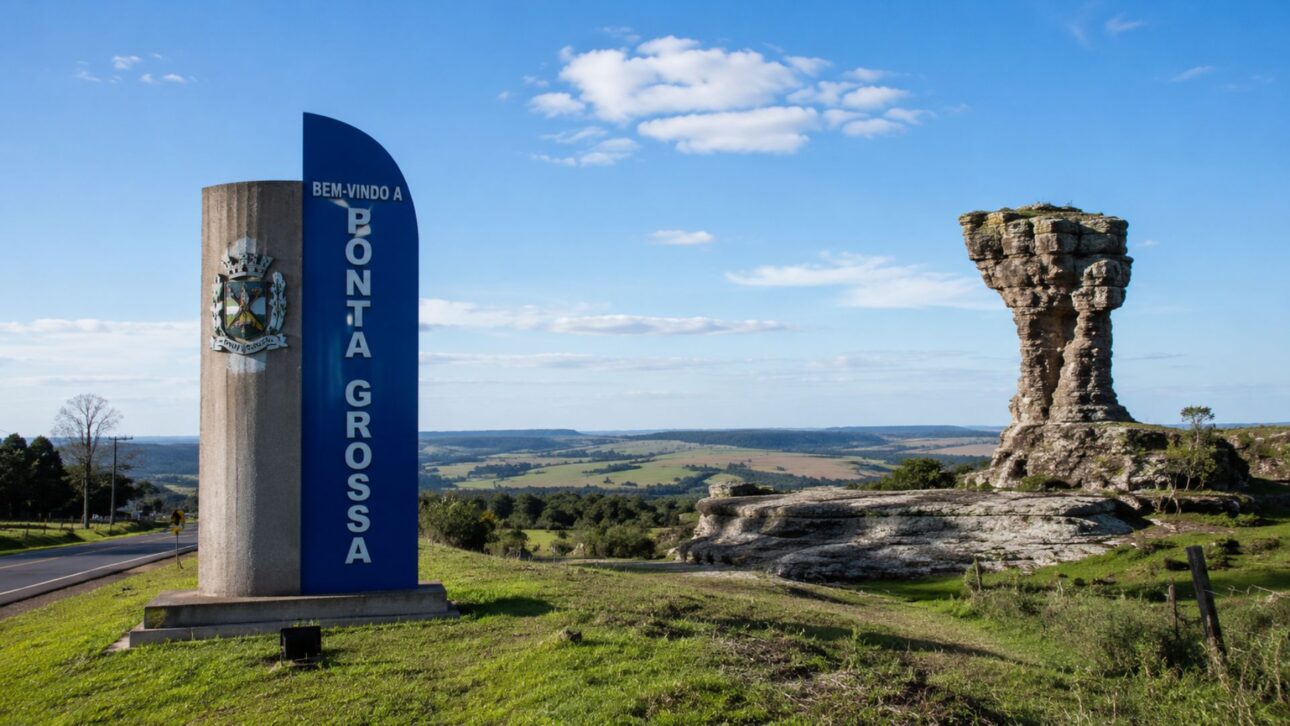
He directly associates the practice with the pursuit of physical and mental health and reports a curious perception that defies anyone’s intuition. According to the King of Reverse himself, running backwards is even less tiring for him than running forwards, a personal sensation that he turned into the driving force of his unusual routine through the city streets.
This unusual routine ended up becoming part of the landscape of Ponta Grossa, with schedules and routes that neighbors already recognize. What is a spectacle for others is discipline for him, a daily commitment that mixes sport, therapy, and identity in a single gesture. Consistency is what separates Moisés from those who only play at walking backwards for a few meters: by adopting the unusual routine as a non-negotiable habit, he built both the physical preparation and the fame he now carries throughout the city.
How Moisés became a figure and viral phenomenon in Ponta Grossa
In an era of cell phones in hand, it was only a matter of time before the scene was filmed. Videos of Moisés running backwards through the avenues began circulating on social networks and quickly spread, turning the resident of Vila Maracanã into a viral phenomenon far beyond Ponta Grossa. The contrast between the unlikely gesture and the naturalness with which he executes everything is the perfect ingredient for the internet, and it was what made the viral content jump from local profiles to pages with national reach.
The viralization, however, did not erase the affectionate character of the story, and perhaps that is its charm. Even before becoming a hit on social networks, Moisés was already a well-known figure in the city, one of those who become a point of reference and even resulted in reports in the regional press. When the viral video exploded, it only brought to the entire country something that Ponta Grossa already knew: the King of Reverse is one of those urban figures that give personality to a city and that people hope to encounter on the street.
Running backwards is a sport? The future that Moisés envisions
A natural question arises in the face of so much dedication: can this become a real sport? For now, running backwards is not officially recognized as a modality in Brazil and remains in a limbo between hobby, exercise, and street spectacle. Even so, Moisés believes that running backwards has a promising future and dreams of the possibility of the practice gaining recognition even in major competitions, an ambition that gives purpose to his unusual routine.
His bet is not entirely out of touch with reality when looking outside the country. In different parts of the world, there are already races and even championships of “retro running,” with athletes competing by running backward over various distances. If the movement grows and organizes here as well, the King of Backward Running from Ponta Grossa will be among the pioneers who helped popularize running backward in Brazil, turning a betting game into something close to a sport.
What the case of the King of Backward Running from Ponta Grossa shows
Moisés’ story is light, charming, and has that freshness that the internet loves, but it also holds a bigger lesson than it seems. It shows how a simple challenge can become an identity, and how running backward, born from a bet among friends, was able to transform an ordinary resident into the beloved King of Backward Running from Ponta Grossa. Still, it’s worth keeping your feet on the ground when drawing conclusions, because the claim that reverse running “tires less” is Moisés’ personal perception, and experts actually recommend short sessions, from 10 to 20 minutes, and not necessarily 5 km daily in reverse.
There is also a practical warning that excitement cannot hide. Running backward on streets with traffic requires extra caution, as the runner cannot fully see what is coming ahead, and what works for an experienced practitioner can be risky for beginners who try to imitate without preparation. Even so, few cases summarize so well the charm of small-town figures: it only took a bet and a lot of discipline for the unusual routine of running backward to earn Moisés a nickname, a legion of admirers, and a cherished place in the collective memory of Ponta Grossa.
And you, would you have the courage to take on such a bet and run backward down your street to see what happens? Comment here if you’ve ever come across an unusual figure like the King of Backward Running in your city and what they did to attract so much attention.


