






 Portuguese
  Spanish
 3 min of reading


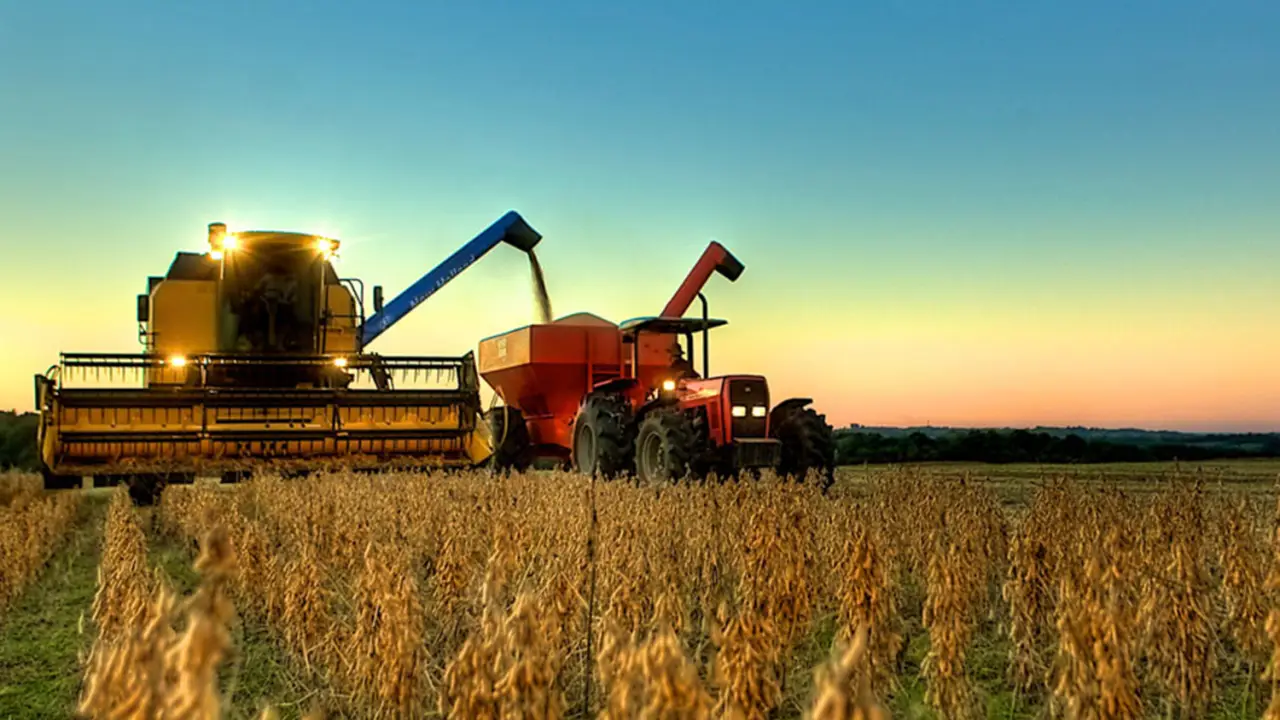
Harvest a Soybean Crop Much Larger Than Last Season, Despite the Climatic Conditions in the South Region, Which Registered Unusual Drought; and the Delays in Harvest in the Center-West Region Caused by Rain. Yes, This Is the Brazilian Estimate Announced by the Farmers at the Beginning of January. They Claim to Be Prepared.
At the end of last season, the average yield was 51.8 kilos per hectare. Now, the expectation is an increase to 59.2, up to 60 kilos per hectare, leading to a production record of 153.4 million tons. The information comes from Agroconsult, a consultancy specialized in Brazilian agribusiness. There are also positive projections for corn producers, with an estimate of 29.6 million tons.
However, the consultancy also recommends monitoring the weather forecasts for the coming months, as factors such as high humidity affect harvesting and interfere with grain quality.
Regarding prices in Brazil, it is necessary to pay attention, as the direction of prices will depend primarily on the size of the Brazilian harvest in the first half of the year. In the second half, everything indicates that the North American harvest will dictate the trends, and there is a tendency for Brazilian premiums to remain more stable, which will provide support for prices. However, if the harvest is indeed a record, this factor may inhibit the appreciation of the premiums, as there will be greater supply.
-
Petrobras sells the first batch of 3,800 m³ of aviation fuel made with certified soy, capable of reducing emissions by up to 70%, in an unprecedented project that anticipates the aviation sector’s requirements expected for 2027.

-
Organic grape juice from São Roque surprises experts, scores over 90 points in a blind test, and wins a national award after six years of agroecological research.

-
Brazil enacted a national minimum wage for teachers at R$ 5,130 for a 40-hour workweek, raised the minimum wage for basic education after a 5.4% adjustment, and established a rule that prevents increases below inflation in the coming years across the country.

-
Luciano Hang offers a R$ 40,000 prize at Havan, but it’s not exactly a job position: it’s an influencer contest for the network’s 40th anniversary, with a contract for the winner.




Still concerning the first half, it is necessary to be aware that the Chicago harvest can provide positive responses in case the harvest in Rio Grande do Sul and Argentina has any problems. However, Brazilian premiums tend to move contrary to those of North America.
Therefore, it is essential to closely monitor movements, the volatility of the dollar exchange rate, especially considering that the Brazilian government is “under new management.” This management is full of uncertainties, especially regarding the directions of economic policy, for which the search for balance is urgent. The market expects the U.S. dollar to be stronger, especially in this first quarter, and throughout 2023. This is not only due to internal factors; there are external factors that are driving the dollar up.
Since November 2022, IBGE, the Brazilian Institute of Geography and Statistics, through the 1st prognosis of the LSPA, Systematic Agricultural Production Survey, has already pointed to a record for the Brazilian crop of grains, cereals, and legumes in general, with an estimate exceeding 288.1 million tons for 2023. Another record, according to the historical series started in 1976. An increase of over 9.5% compared to last year’s estimates.
This is because of the recovery of various production areas that were affected last year. There were losses in the summer crop in two states in the South region, Rio Grande do Sul and Paraná, and in the Center-West region, Mato Grosso do Sul. For the projected area, there is a positive variation for the Brazilian soybean crop in 2023, of 1.2%.





Be the first to react!