






 Portuguese
  Spanish




Even With An Increased Cultivated Area, The Sugarcane Harvest Suffers From Drought And Intense Heat, Influencing Sugar, Ethanol, And Sustainability In The National Agriculture
The sugarcane harvest 2025/26 arrives at a time of strong attention from the Brazilian agro-industrial sector, according to an article published.
The prolonged drought and heat waves recorded during 2024 and part of 2025 affected the development of crops, especially in the Central-Southern region, reducing national productivity.
According to the National Supply Company (Conab), total production is estimated at 666.4 million tons, which represents a decrease of 1.6% compared to the previous cycle.
-
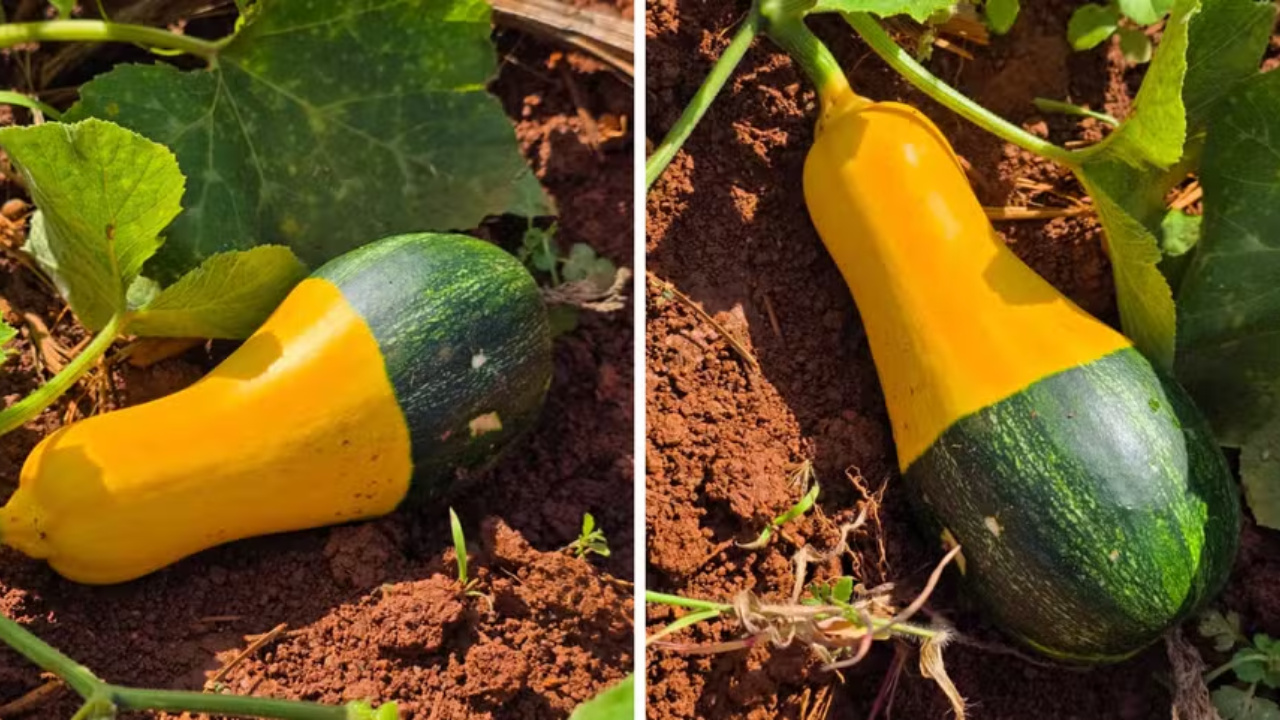
Bicolor Pumpkin Resembling Hand-Painted Art Discovered by Brazilian Researchers in the Capital Due to “Spontaneous Mutation”

-
In China, a 26-story building produces 1.2 million pigs annually, revolutionizing livestock farming with tube feeding and AI surveillance.

-
With Nearly 60% Desert, Israel Desalinates Seawater and Recycles 90% of Wastewater to Build a Billion-Dollar Agricultural Powerhouse in Dates and Cotton
-
74-Hour Barbecue in Brazil Sets World Record: 3.4 Tons of Meat, 10,500 Meals Served



Despite the cultivation occupying a larger area, reaching 8.97 million hectares, a growth of 2.4% over 2024/25, the average national yield fell by 3.8%, reaching 74,259 kilograms per hectare.
This scenario reflects how climate impacts on Brazilian agriculture directly interfere with the profitability and competitiveness of the sector.
Climate Impacts On Brazilian Agriculture Reduce Yield And Affect Main Cultivation Areas
In the Southeast, the region responsible for most of the production, climate adversities resulted in a contraction of 4.4%, with the harvest projected at 420.2 million tons.
São Paulo, the largest producer in the country, is expected to harvest 18.2 million tons less compared to the previous harvest.
The intense drought, high temperatures, and fires in sugarcane fields hindered the regrowth of plants, limiting production advancements.
A similar scenario occurs in the North, where water restrictions also reduced the expected volume, estimated at 4 million tons.
In the Midwest, although the average productivity fell by 1.9%, a 6% increase in the harvested area raised regional production to 151 million tons, an increase of 3.9%.
These data reinforce the challenge of balancing territorial expansion with agronomic efficiency in the face of climate changes, one of the main topics of sustainability in the national agribusiness.
Sugar And Ethanol Production In Brazil Maintains Strength Even With Water Restrictions
The sugarcane harvest directly influences the performance of the sugar-energy industries.
Despite the reduced availability of raw materials, sugar production is expected to reach 45 million tons, up 2% from the previous cycle, marking the second-largest historical volume, preceded only by 2023/24, when the country produced 45.68 million tons.
Meanwhile, ethanol production, including sources from both sugarcane and corn, is projected to reach 36.2 billion liters, a decrease of 2.8%.
Ethanol derived from sugarcane is expected to fall by 9.5%, totaling 26.55 billion liters, while corn-produced fuel is set to grow by 22.6%, reaching 9.61 billion.
Of this total, 13.58 billion liters are anhydrous and 22.16 billion are hydrated. These numbers emphasize the importance of diversification of energy sources and demonstrate how the production of sugar and ethanol in Brazil remains strategic for supply and the international market.
Conab Projections For 2025 And The Ethanol And Sugar Market Show Adjustments And Stability
According to the Conab projections for 2025, the Northeast and South regions show slight growth, with 55.1 million and 36.2 million tons, respectively.
In the South, more regular rainfall favored productivity gains of 7.7%. In the external market, Brazilian sugar registered exports of 17.7 million tons between April and September, a retraction of 9% compared to the same period last year.
Even with the production mix more focused on sweeteners, the lower quality of raw material and the lower Total Recoverable Sugar (ATR) limited gains.
Nonetheless, the ethanol and sugar market shows signs of stability. Domestic sales of anhydrous ethanol remain strong, supported by the demand for blending with gasoline.
Hydrated ethanol, in turn, depends on exchange rates and price parity. With the harvest advancing and reduced ATR, the trend is for stable operations in the final quarter.
Other official information regarding the sugarcane harvest and its derivatives is available in the technical bulletin published by the National Supply Company (Conab), with detailed analyses on productivity, cultivated area, and prospects for the national sugar-energy sector.


