Portuguese
  Spanish


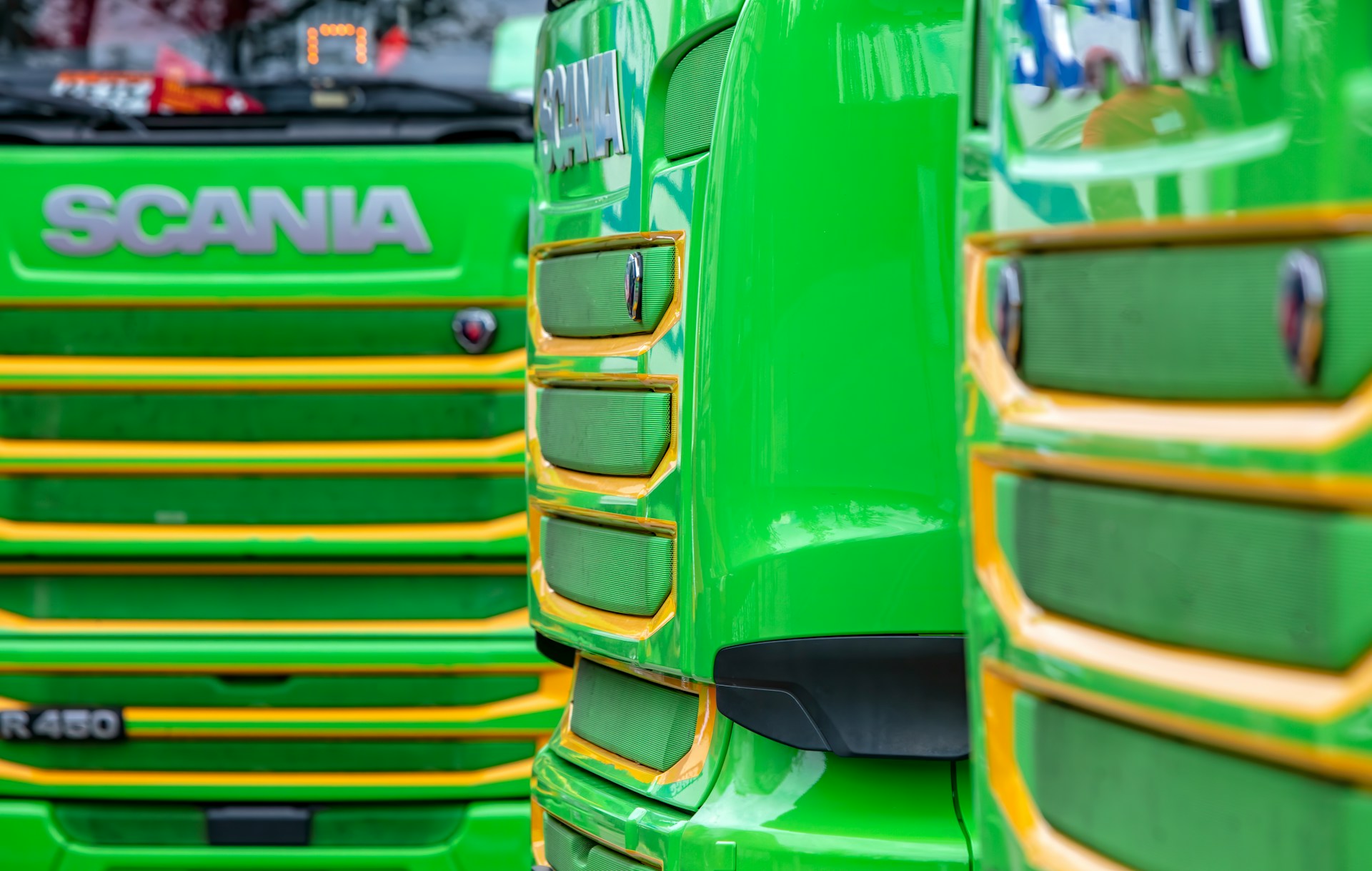

Scania Invests In Brazil With R$ 2 Billion By 2028 And Increases Focus On Electric Trucks And Sustainable Innovation
Focusing on sustainable transportation, Scania reinforces its presence in Brazil with a new investment cycle. After investing R$ 4 billion in recent years, the Swedish automaker is now launching a new plan of R$ 2 billion by 2028. Part of the funds will be used to manufacture heavy electric trucks in the country.
The decision was announced by Christopher Podgorski, CEO of Scania Latin America, in an interview with the podcast De Frente com CEO, by EXAME. He emphasized the confidence in Brazil and the strategic role of the country. “We are investing heavily because we believe in Brazil’s potential,” he stated.
Focus On Local Innovation And Global Presence
In addition to Brazil, Scania is investing in China. A new industrial complex in the Asian country will cost 2 billion euros.
-
France Revamps 530 Social Housing Units with Large Balconies and Glass Facades Without Demolishing Existing Buildings

-
10-Year-Old Max Makes History with Paris Fashion Show, Launches Own Brand, Hires Staff, and Sets World Record as Youngest Runway Designer

-
Bolivian Female Construction Workers Form Association to Combat Discrimination and 38% Pay Gap in the Industry
-
Near Amsterdam, residents buy land and discover they must also build streets, manage drainage, handle waste, and grow food on half their plot.




The unit will have the capacity to produce 50,000 trucks per year—almost double the current volume of the Brazilian factory. “We don’t just want to sell in China; we want to learn from them,” Podgorski said.
He sees the presence in the world’s largest automotive market as essential to keeping up with innovations and emerging models. The company’s strategy aims for sustainable leadership and adaptation to global movements.
Despite the tumultuous international scenario, such as the trade war between the United States and China, the executive does not yet see direct impacts on the company’s business. “The consequences are not just on the final product,” he warned. According to him, it is necessary to assess the effect on the entire supply chain.
Scania’s Brazilian Factory Sets Record And Will Be Modernized
Scania’s plant in São Bernardo do Campo plays a central role in the company’s plans. Established as the first factory of the brand outside Sweden, it has become a multifunctional center with nine production units. It employs over 6,000 people, including 400 engineers in research and development projects.
In 2023, the unit reached its maximum capacity, producing 30,000 trucks. Part of the new funds will be used to expand capacity and incorporate clean technologies.
“If we didn’t believe in Brazil, we wouldn’t be investing more,” Podgorski stated. He recalled that Brazil has been Scania’s largest market for the last 20 years.
Environmental Goals And Internal Engagement At Scania
Sustainability is a priority. Since 2015, the company has been following the goals of the Paris Agreement. The targets are validated by scientific institutions. In Brazil, there has already been a 50% reduction in carbon emissions and a 70% reduction in water consumption over the past decade.
One of the projects is Climate Day, during which production halts for two hours to discuss environmental topics. The initiative involves all employees. “Sustainability does not fly without goals and without employee engagement,” the CEO stated.
Leadership Based On Transformation And Listening
Podgorski is the first Brazilian to lead Scania’s industrial operations in Latin America. With 27 years at the company, he has worked in units in Sweden, Mexico, and Brazil. He describes himself as a “multicultural blend with a Brazilian touch.”
His leadership style is based on three pillars: transform, empower, and provide feedback. “Leading is like flying a kite: you give string, but you also maintain control,” he said.
Even with a busy schedule, he keeps balance by playing amateur football. This practice has lasted over 50 years. “Sports teach camaraderie and team spirit. And no one does anything alone.”
Brazil Could Shine At COP30
Optimistically, the executive views Brazil as a reference in decarbonization. The highlight is biogas, which he believes has great potential in the country.
The goal is to arrive at COP30 in 2025 with a leadership position. “The future will be eclectic: electric, gas, biogas, depending on the region. The important thing is to ensure cost-effectiveness and viability.”
The Customer As A Guide To Transformation
Remembering his shift from the commercial area to the industrial sector, Podgorski recounted a striking phrase. “The global CEO told me: ‘I need someone who brings the voice of the customer into the factory.’”
At 67, he wants to leave a legacy of sustainable culture. “If everyone knows their contribution, the future comes. And it comes faster.”
With information from Exame.