






 Portuguese
  Spanish
  3 min of reading
  0 comments


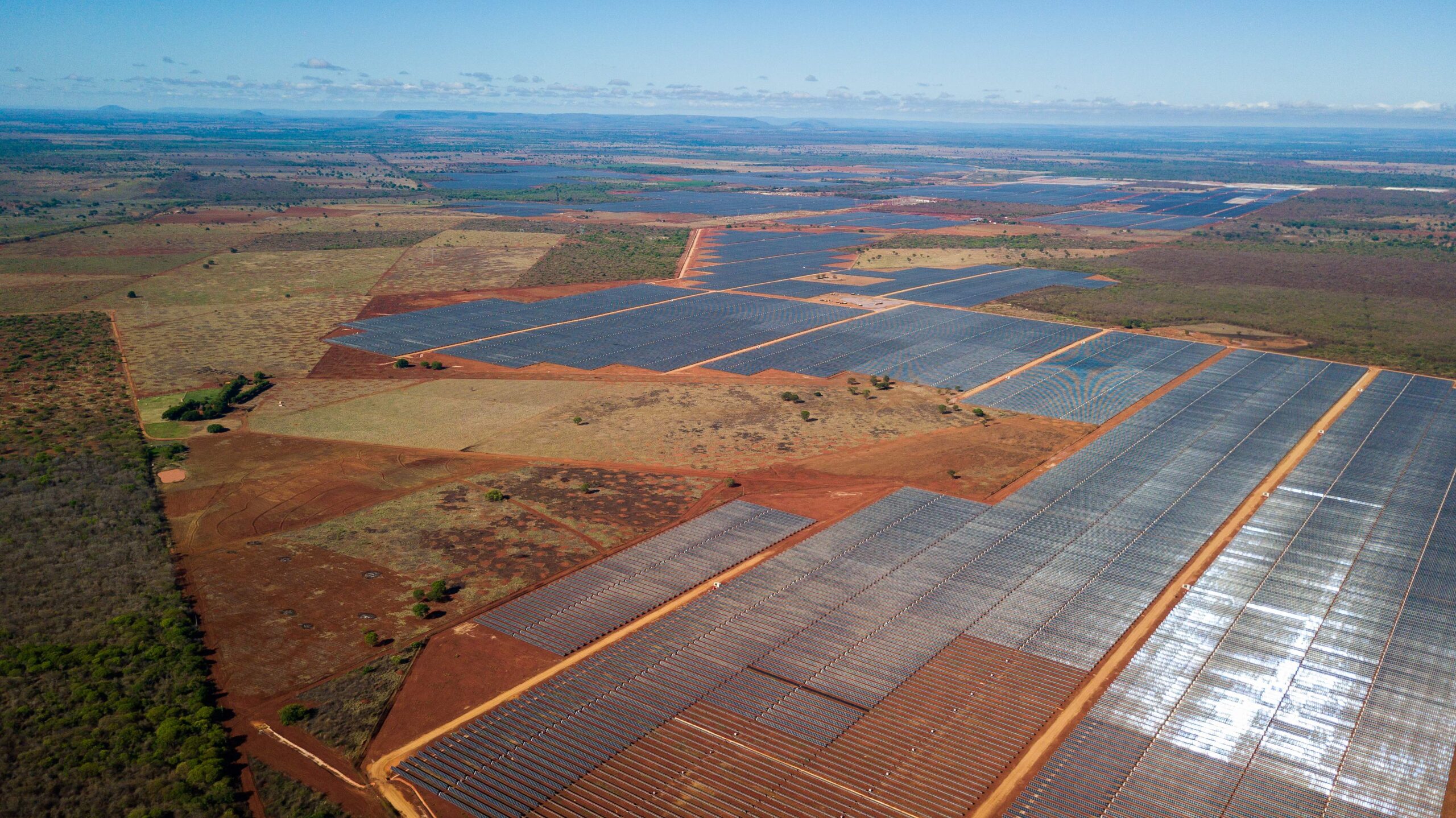
Schulz S.A. and Elera Form Partnership in Self-Production, Ensuring 100% Renewable Energy by 2025, Reducing 32 Thousand Tons of CO₂ Annually.
Schulz S.A. recently announced an agreement with Elera Renováveis for self-production of renewable energy. This strategic move aims to ensure that all electricity consumed by the company, located in Santa Catarina, is derived from sustainable sources. The collaboration with Elera, a highly respected company in the renewable energy sector, represents a significant step toward minimizing environmental impact and advancing towards more conscious business practices.
With this initiative, Schulz S.A. is committed to promoting a greener future by maximizing the use of clean and sustainable energy. In partnership with one of the most notable renewable energy companies in Brazil, the expectation is that the company will achieve a significant reduction in CO₂ emissions. This commitment reinforces the company’s role in leading responsible environmental practices and solidifies its position as an advocate for the use of renewable sources, significantly contributing to a healthier planet. Furthermore, this strategy demonstrates a long-term vision oriented toward environmental preservation.
The contract is currently undergoing the approval process with the CADE (Administrative Council for Economic Defense), with a forecast to start supplying renewable energy in 2025. The contract adopts the self-production model through equivalence (APE) in a facility with installed capacity of 48 MW, part of the Janaúba Solar Complex. Through this agreement, Schulz S.A. will be able to avoid the emission of over 32 thousand tons of CO₂ annually, meeting its Scope 2 greenhouse gas emission neutralization targets.
-
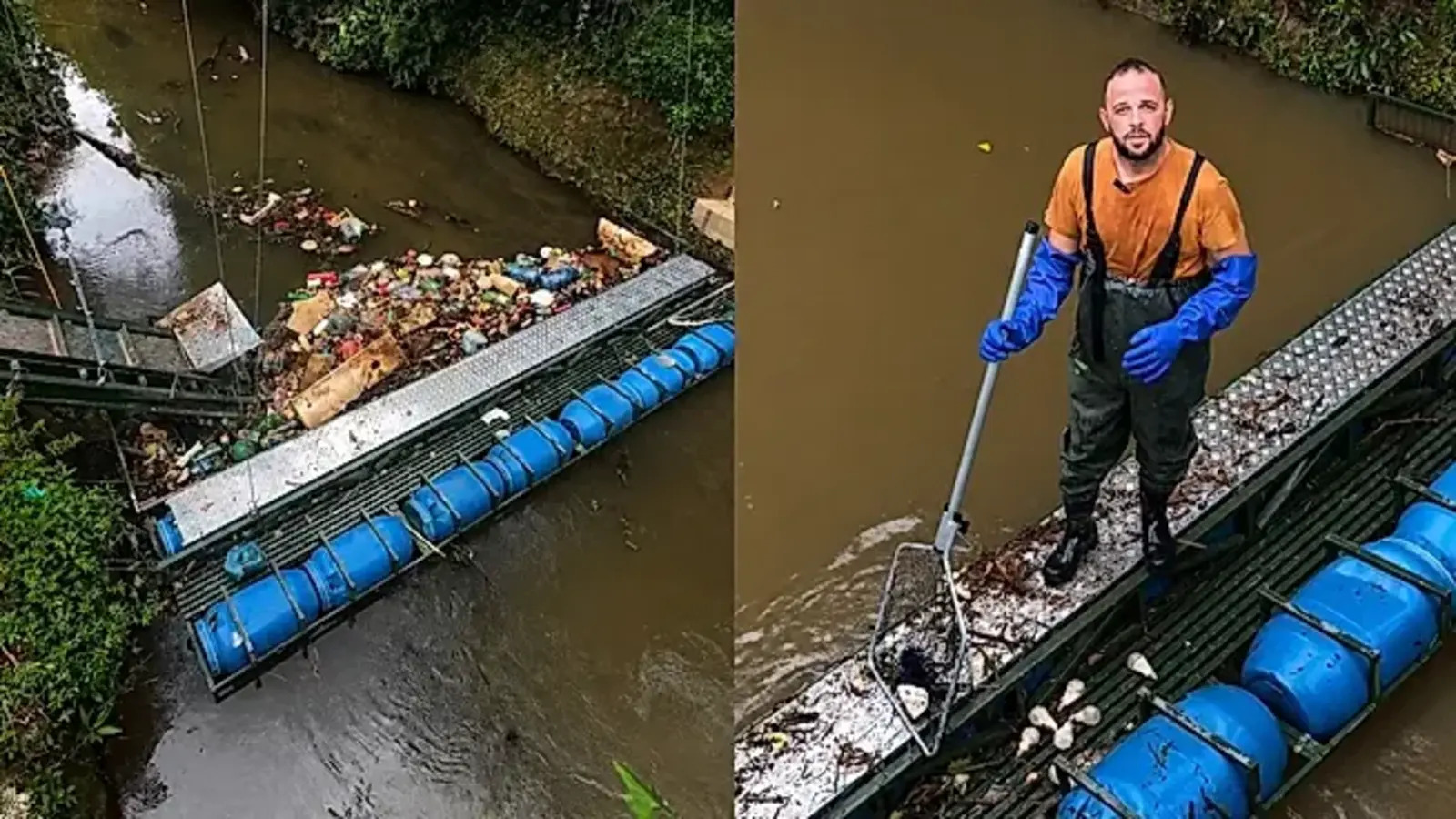
Brazilian promises his children to save a river, creates an eco-barrier in his backyard, has already removed more than 40 tons of trash from the water, and even inspires the idea in other states of the country.

-
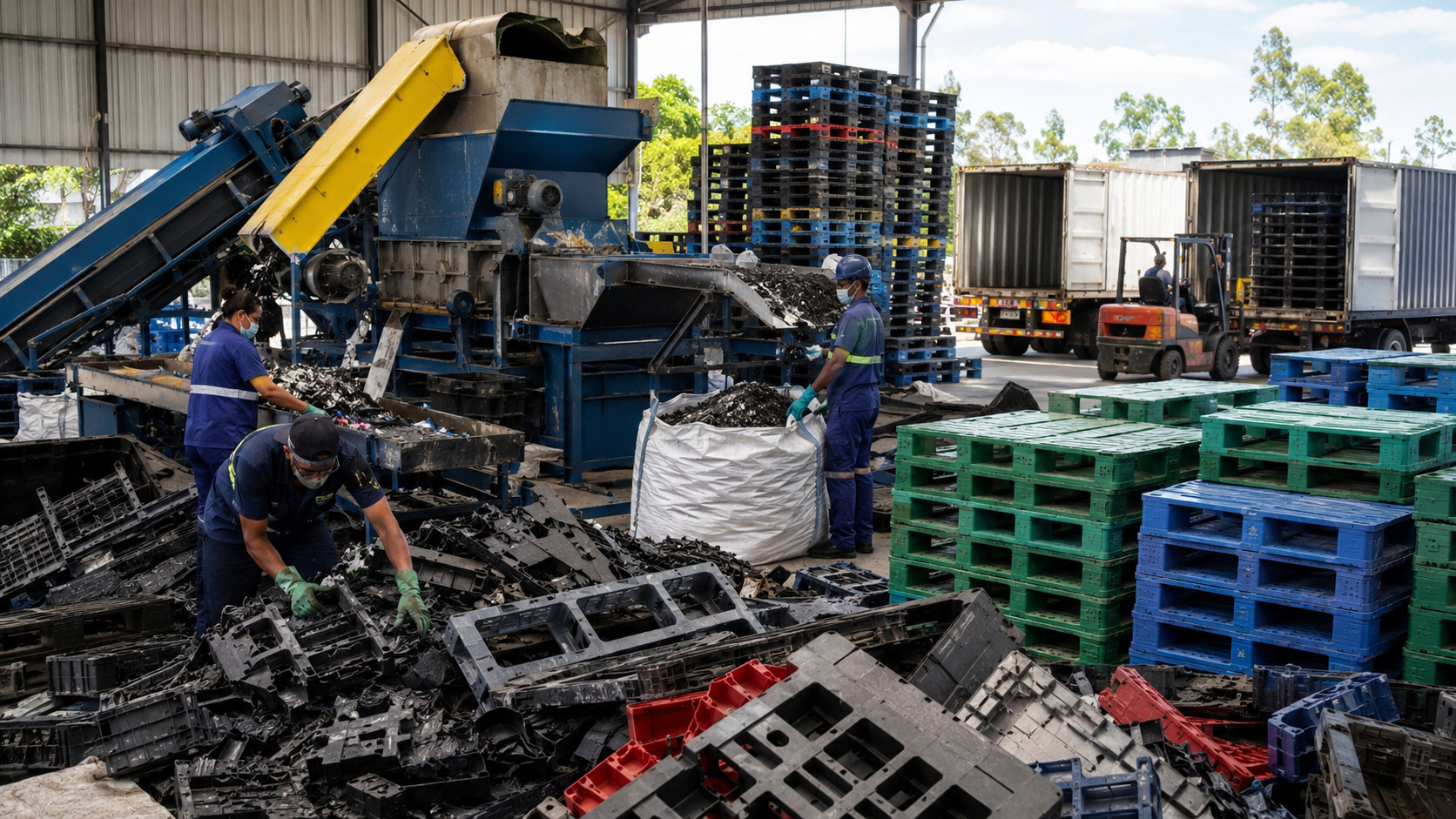
How a Brazilian company created a system that transforms broken pallets of any brand into new assets, recycles 80 tons of plastic per month, and found a profitable solution to a problem that challenges industries across the country.

-
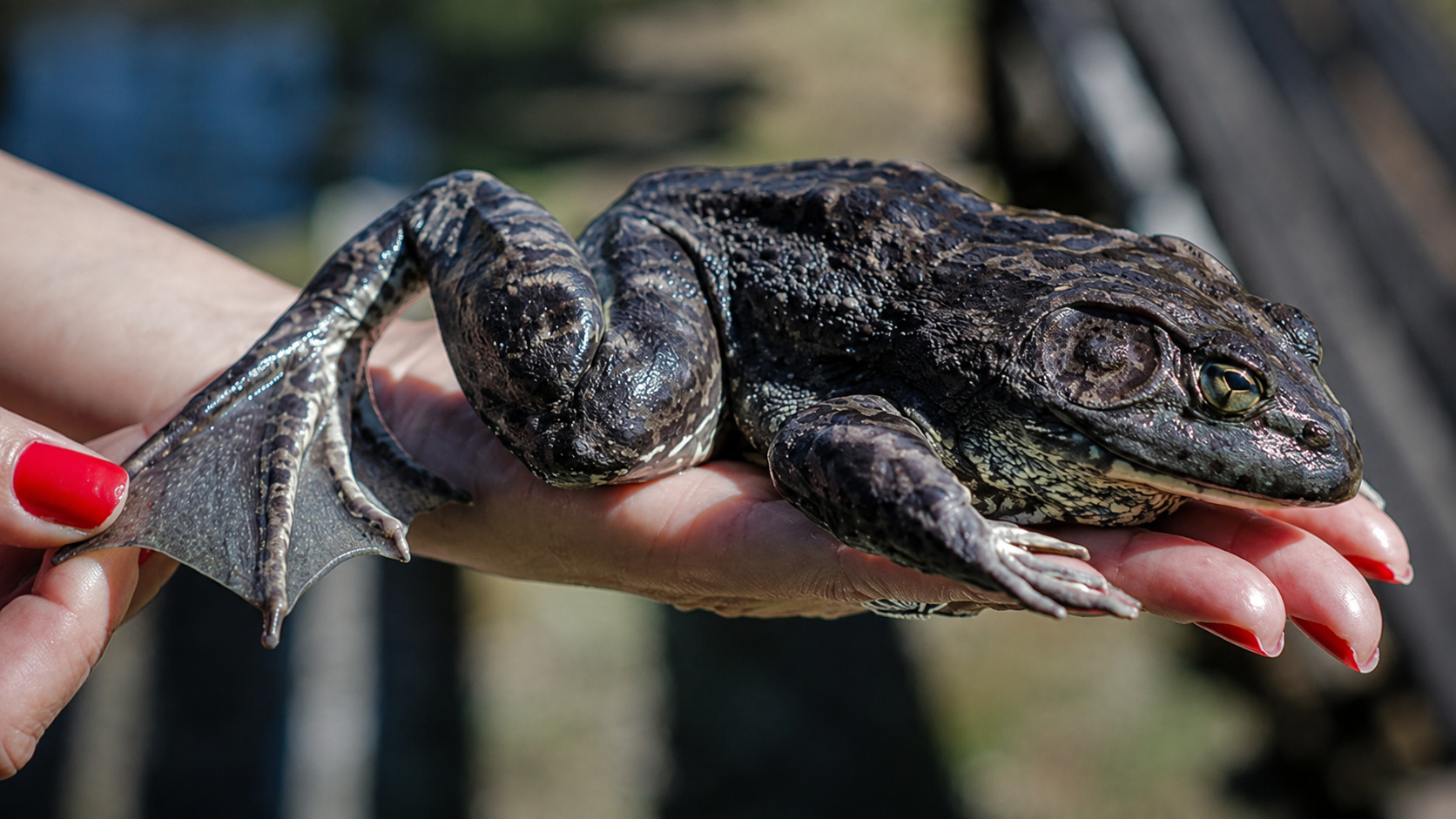
Invasive bullfrog capable of devouring other amphibians and laying up to 20,000 eggs is found in Florianópolis, raising an alert about the threat to native fauna.
-
It looks like a baby, but it’s an adult: meet the Bornean pygmy elephant, the smallest elephant in the world threatened by habitat loss.

Business Strategies and Sustainability
Schulz S.A, a publicly traded company in Santa Catarina (CVM NR 1.66-4), has two main business divisions: the Automotive Division, globally recognized for excellence in casting, machining, and assembly of parts for the automotive, agribusiness, truck, and wind energy sectors; and the Compressors Division, standing out as the largest manufacturer of piston and screw compressors in Latin America. ‘We aim to achieve 100% of our energy consumption from renewable sources by 2025. This initiative is an integral part of our sustainable growth strategy, focused on sustainability and decarbonization, anticipating the emission reduction targets previously set for 2030. We are aligned with the expectations of the automotive market, our customers, and society as a whole. For us, sustainable growth and energy efficiency are inseparable’, says Sandro Trentin, CEO of Schulz S.A.
Partnerships with Renewable Energy
For Elera Renováveis’ CEO, André Flores, ‘it is gratifying to be able to personally meet Schulz S.A.’s needs through this self-production partnership, further enhancing the company’s value and competitiveness through the provision of 100% renewable energy’.
The Janaúba Solar Complex
Reflecting the decarbonization strategy, the Janaúba Solar Complex, located in northern Minas Gerais, stands out as the largest solar project in the Southern Hemisphere and the Americas, part of Elera Renováveis’ portfolio, with an impressive installed capacity totaling 1,617 MWp, sufficient to meet the residential energy consumption of about 1.2 million people. This clean and sustainable energy generation significantly contributes to preventing the annual emission of approximately 850 thousand tons of CO₂ into the atmosphere. The complex houses 2.9 million solar modules over an area of more than 3,800 hectares, equivalent to about 5,200 football fields. During its construction period, the Complex generated 15 thousand direct and indirect jobs.
Methodology and Sustainability
For the calculation of avoided emissions, the ACM0002 methodology ‘Consolidated Methodology for Electricity Generation Connected to the Grid from Renewable Sources’ (UNFCCC) is employed, using emission factors from the base year of 2023 found on the website of the Ministry of Science, Technology, and Innovation. Scope 2 emissions refer to those indirectly associated with the consumption of electricity, heat, or steam. This partnership and the use of renewable energy sources are fundamental steps toward a cleaner and more sustainable future.
Source: © jacqueline.campos@approach.com.br







Be the first to react!