Portuguese
  Spanish


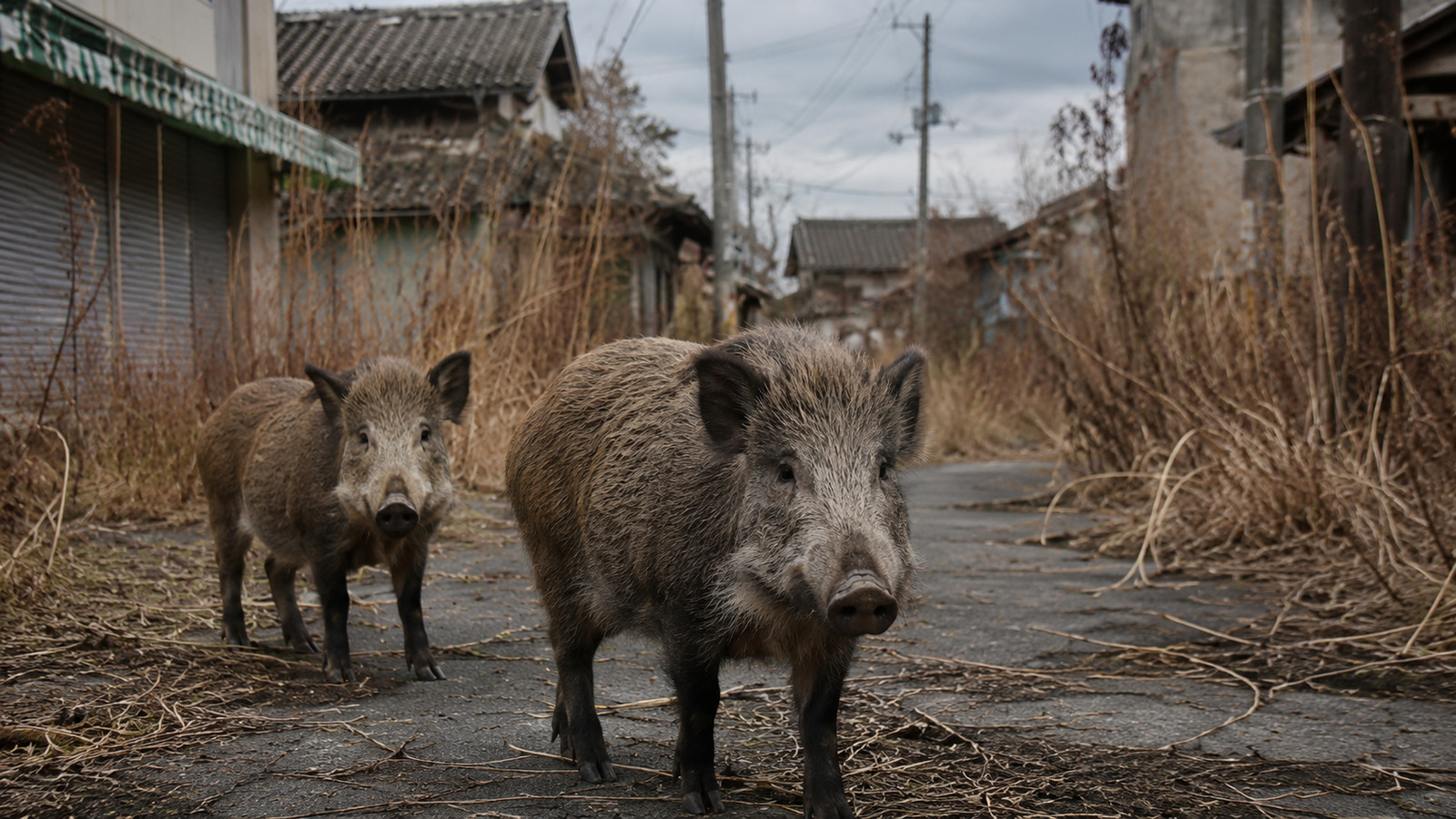


Domestic pigs abandoned after the Fukushima nuclear disaster in 2011 interbred with wild boars in the evacuated areas of Japan and gave rise to the so-called Fukushima super pigs. The phenomenon was analyzed by researchers from Hirosaki University, who studied DNA from 191 animals collected between 2015 and 2018.


Evacuation opened the way for crossbreeding between pigs and boars
The disaster began with a magnitude 9.0 earthquake that hit Japan in 2011, displacing parts of Honshu to the east and devastating the northeastern region of the country.
The tremor generated tsunamis over 40 meters high, destroyed hundreds of thousands of homes, and led to the collapse of reactors at the Fukushima Daiichi Nuclear Power Plant.
-
China Establishes State Centers to Train Humanoid Robots, While the West Lags Behind with Makeshift Solutions

-
The Trap of Modern Technology: How Screen Overload and Digital Connections Can Impact Your Mental Health and Well-being
-
Wyoming Couple Grows Tropical Fruits Year-Round in -40°C Using Geothermal Greenhouse, Demonstrating Earth’s Heat Can Produce Oranges and Lemons in Snow Without Traditional Heating

-
Ship Returns from Brazilian Coast with Thirty Newly Discovered Life Forms



The release of toxic and radioactive materials forced thousands of residents to abandon the region in a hurry.
In this process, many domestic animals were left behind. Open or damaged barns allowed pigs to escape into rural areas without human presence.
With cities, farms, and neighborhoods emptied, wild boars began to roam freely in the exclusion zone.
The abandoned environment created conditions for the multiplication of these animals and for contact with domestic pigs that had fled from properties.
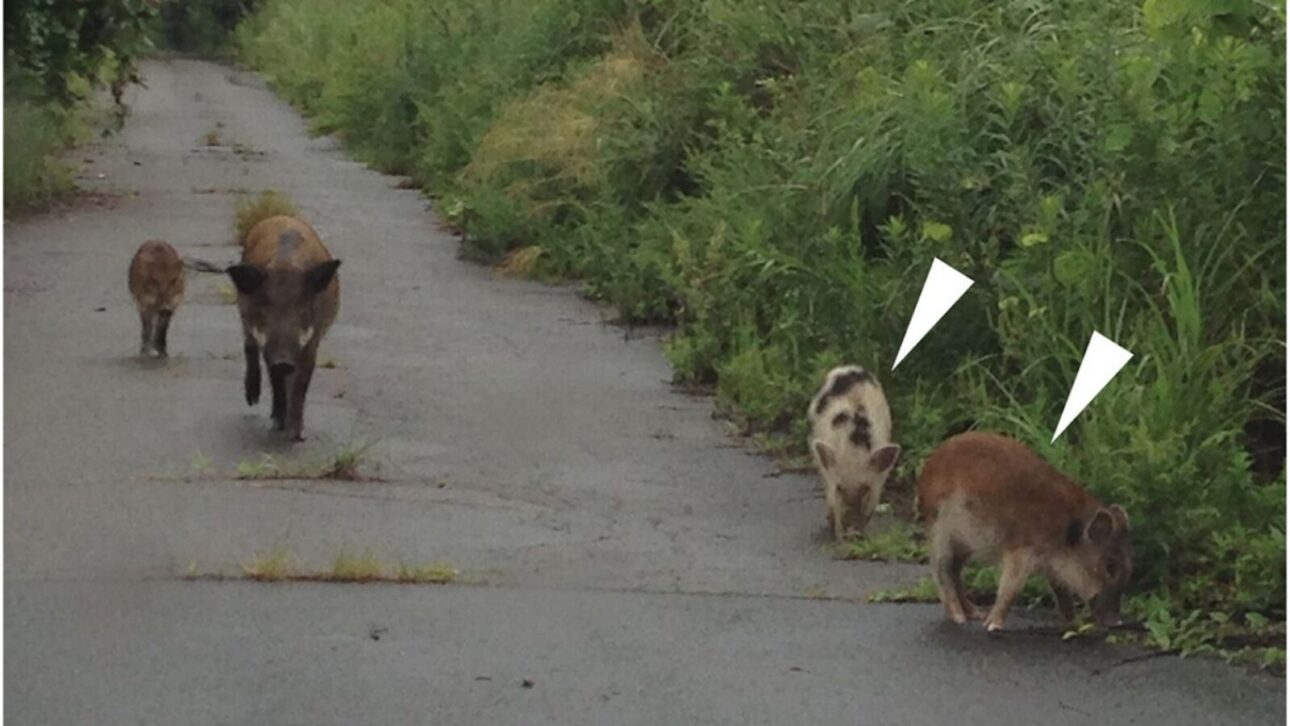
DNA of 191 animals revealed the origin of the hybrids
Researchers from Hirosaki University described Fukushima as a rare “natural experiment,” because the sudden evacuation placed domestic and wild animals in the same space, without the human interference that would normally limit this contact.
The study analyzed the DNA of 191 boars and hybrids collected between 2015 and 2018 in the vicinity of Fukushima.
The scientists used mitochondrial DNA, inherited through the maternal lineage, and nuclear genetic markers to track the presence of domestic pig genes over generations.
The results showed that many hybrids descended from domestic sows exhibited low levels of this DNA.
Even so, they continued to carry an important characteristic of domestic pigs: the ability to reproduce quickly throughout the year.
In practice, the animals started to resemble boars more, but retained a faster reproductive rate. This combination helps explain why these populations can grow in less time than would be expected in common wild boars.
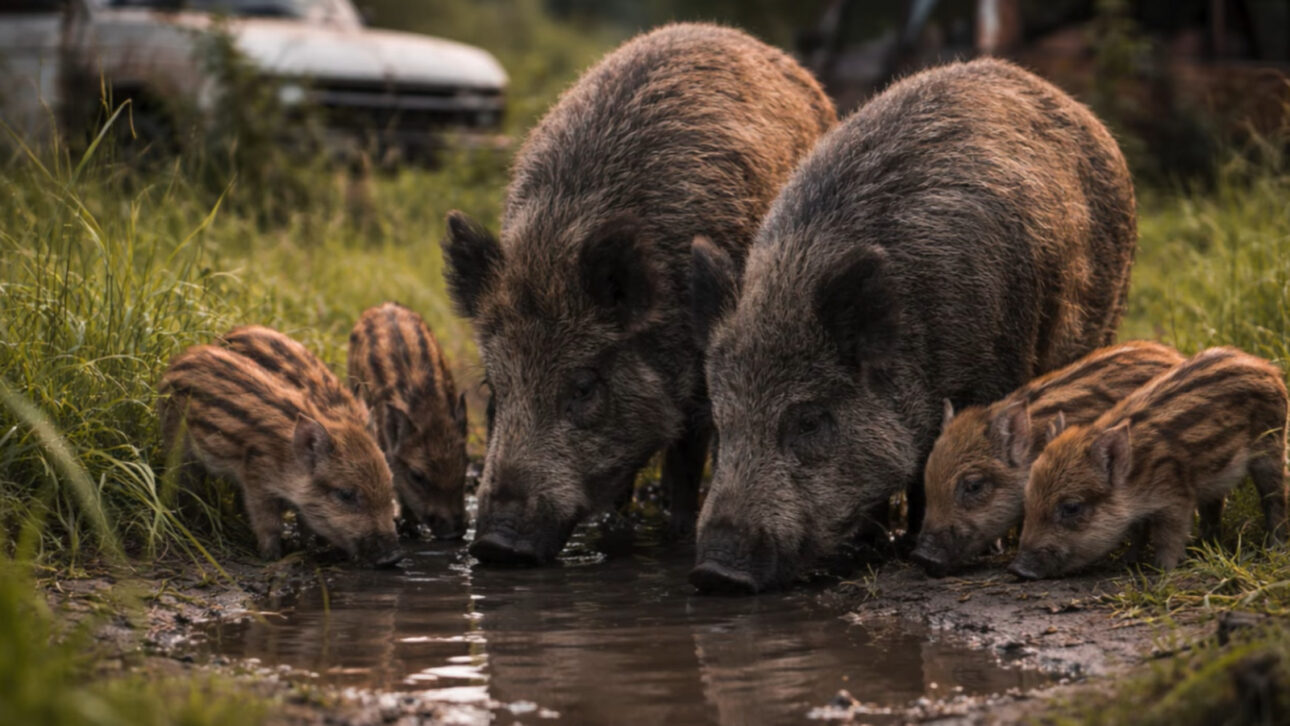
Reproductive rate made Fukushima’s super pigs an ecological alert
The co-author of the study, Dr. Donovan Anderson, stated that the continuous reproductive cycle typical of domestic pigs is likely the key to understanding the phenomenon.
This characteristic can transform hybrids into a significant ecological threat when they spread in uncontrolled areas.
Scientists warn that this type of animal helps to understand why wild pig populations have gotten out of control in various countries. These animals are considered one of the most destructive invasive species on the planet.
Among the impacts cited by researchers are the destruction of crops, the spread of diseases, damage to natural habitats, and the threat to smaller animals.
In the United States, it is estimated that wild pigs cause billions of dollars in agricultural and environmental damages every year.
Researchers rule out direct mutation by radiation
The researchers highlighted that the Fukushima hybrids did not arise from genetic mutations directly caused by radiation.
The observed changes are attributed to the crossbreeding between domestic pigs and wild boars, combined with the exceptional conditions created after the nuclear disaster.
For Professor Shingo Kaneko, understanding how maternal lineages of domestic pigs accelerate the reproductive cycles of these hybrids can help environmental authorities predict future population explosions.
This knowledge can also contribute to more efficient strategies for controlling invasive species.
The researchers also warn that the same mechanism likely occurs in other parts of the world where wild pigs and boars continue to interbreed.
More than a decade after the nuclear accident, Fukushima continues to reveal unexpected effects of the evacuation.
In this case, the impact is not only linked to radiation but to the reorganization of wildlife in an area abandoned by humans.
This article was prepared based on information from the source material provided, Daily Mail, and researchers from Hirosaki University, with data, numbers, and statements preserved as per the consulted material.