






 Portuguese
  Spanish


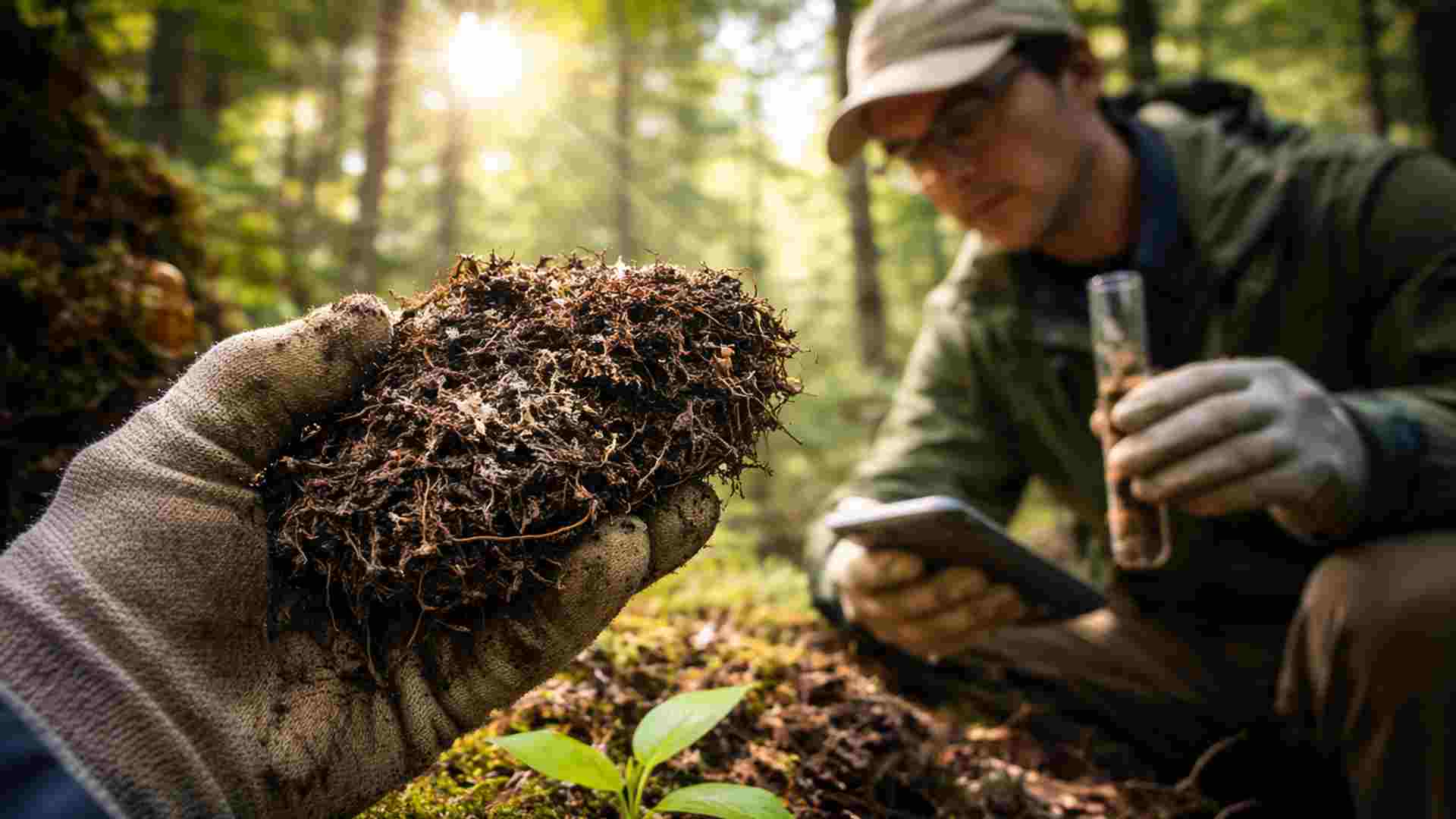

The discovery that soil functions as a biological methane filter redefines the ecological value of tropical and temperate forests. Preserving the integrity of these terrestrial layers is essential to maintain the thermal balance of the planet and ensure the effectiveness of climate mitigation strategies.
Researchers have identified a crucial ecological function in forest ecosystems that could alter global strategies to combat global warming.
The study reveals that the soils of forests have an previously underestimated capacity to absorb methane, one of the most potent greenhouse gases in the atmosphere. This discovery highlights the importance of preserving forest areas not only for carbon capture in trees but for the active role of the substrate in climate regulation.
Microorganisms and the removal of atmospheric methane
The absorption process is driven by microorganisms known as methanotrophs, which inhabit the surface layers of the soil and use methane as an energy source. Contrary to previous beliefs, the efficiency of these organisms in the soils of forests is significantly higher in mature and untouched environments.
-
A Brazilian city decided to purchase a piece of the Atlantic Forest with more than 153,000 square meters, and owners of preserved areas will be able to submit proposals to transform the forest into a conservation unit.

-
Brazilian siblings aged 11 and 7 read 240 books in just one year and caught attention on social media: while many children spend hours on screens, they turned their family’s routine into an example of reading, discipline, and curiosity.
-
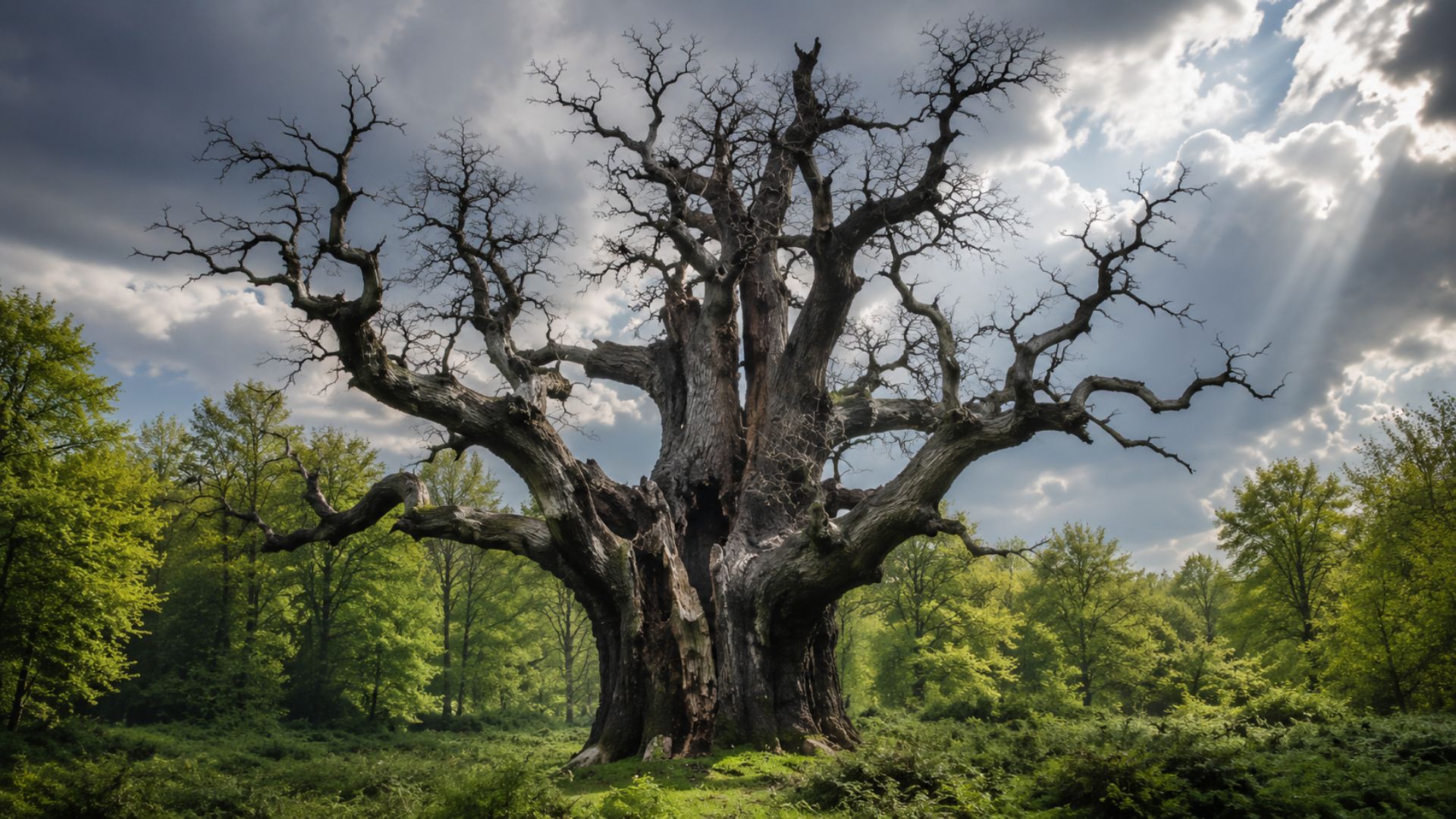
The legendary oak that, according to the story, hid Robin Hood from the Sheriff of Nottingham, died at the impressive age of 1,200 years in England, and the first chilling sign of its end was that no leaves sprouted on the tree this spring.

-
While the world looks at forests, the UN warns that the Earth is also threatened by the silent degradation of natural grasslands and savannas, ecosystems that cover half of the planet, support billions of people, and can exacerbate water, food, and climate crises.

The research demonstrates that the physical structure of the soil and the presence of oxygen facilitate the diffusion of the gas, allowing bacteria to convert it into less harmful climate byproducts.
The sink capacity of these areas varies according to the moisture and mineral composition of each region. Under ideal conditions, the soils of forests act as efficient biological filters, removing tons of methane from the air layer near the surface. This mechanism represents a natural defense against spikes in greenhouse gas emissions, functioning as an invisible thermal regulator for the planet.
The impact of deforestation on absorption capacity
Forest degradation and land conversion for agriculture severely harm the biological health of the soils of forests.
When vegetation cover is removed, soil compaction and changes in nitrogen levels inhibit the activity of bacteria that consume methane. As a consequence, deforested areas may cease to be gas sinks and become emission sources, alarmingly accelerating the global warming cycle.
The data indicates that the recovery of soil microbiota after human intervention takes decades to reach original efficiency levels. Maintaining the integrity of the forest soils is, therefore, a conservation measure as vital as planting new seedlings.
The study reinforces that protecting subterranean biodiversity is an essential component for the resilience of terrestrial ecosystems in the face of current climate change.
New perspectives for environmental conservation policies
The revelation of this hidden benefit offers new arguments for the expansion of protected areas and biological reserves around the world. Scientists suggest that current climate models should be updated to include the methane absorption dynamics performed by forest soils. This integration will allow for more accurate predictions about the greenhouse gas balance and will help in formulating more effective environmental goals for future generations.
In addition to protection against fire and illegal logging, soil management emerges as a new frontier in conservation science. Promoting the health of forest soils through sustainable management practices can maximize the Earth’s natural cooling potential.
The success of these initiatives depends on understanding that forests are integrated systems where visible life above ground is intrinsically linked to the chemical and biological processes occurring below it.
Click here to access the study.








