Portuguese
  Spanish


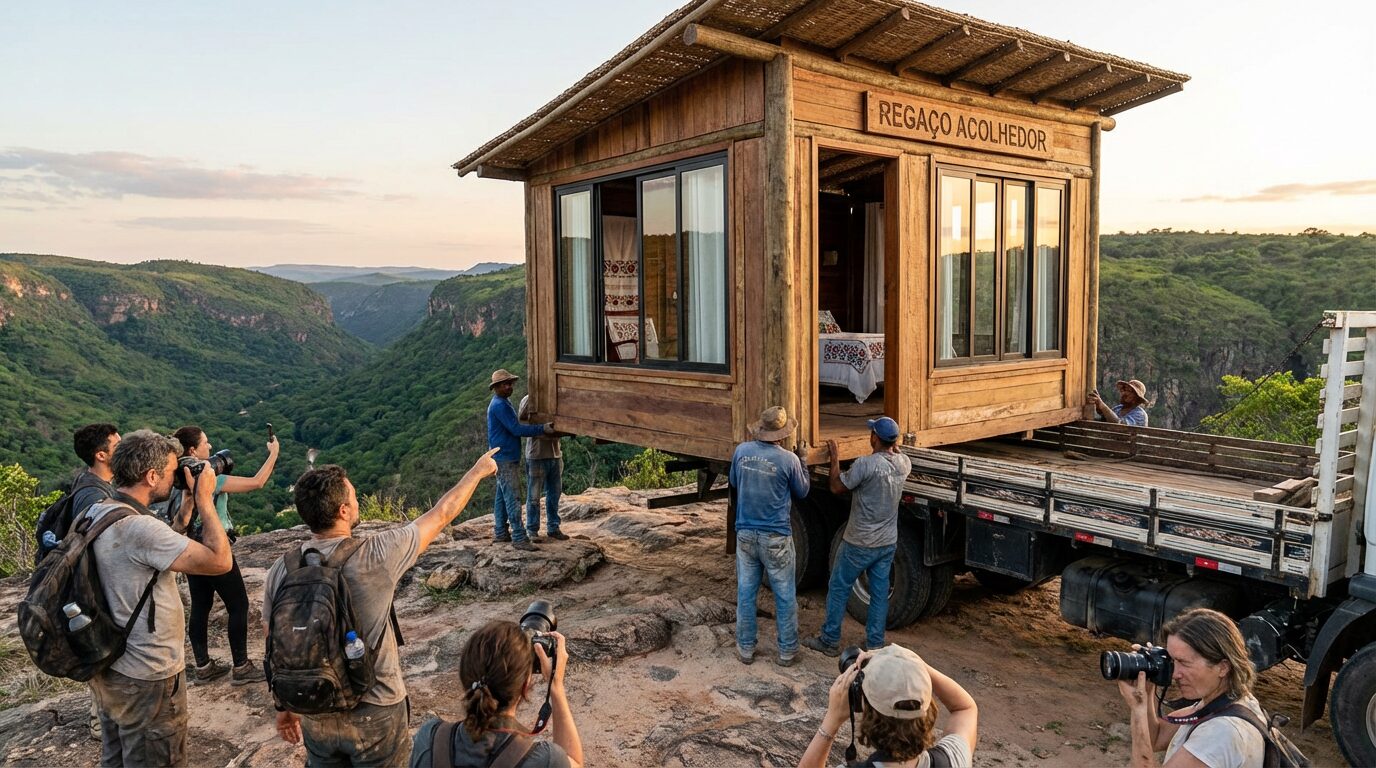

In Mucambo, the Welcoming Regaço Turns Modular Cabins into Charming and Affordable Accommodations. Local Production Uses Wood, Metal, and Glass, Focused on Nature Tourism. The Units Come Ready to Operate, with Complete Bathrooms and Customization Options.
In the municipality of Mucambo, Ceará, the Regaço Acolhedor project stands out by manufacturing and installing modular cabins with a rustic aesthetic, refined finishing, and immediate operation. The proposal combines comfort, mountain landscape, and local identity to serve couples and families seeking tranquility.
Leading the project is entrepreneur Zion Linhares, who invested in in-house production to gain scale and maintain quality standards. According to the entrepreneur, one of the models showcased on social media has already surpassed 1.4 million views on Instagram, indicating strong interest in this type of accommodation.
The initiative emerges in a scenario of strengthening domestic tourism. According to the Ministry of Tourism, internal travel gained traction in the post-pandemic period, driving nature destinations and more private experiences.
-
Brazilian Military Police Officer Turns Family Farm into Internationally Certified Guava Producer, Eyes Exports to UK, Portugal, and Canada After Cooperative Boosts Sales by 580%

-
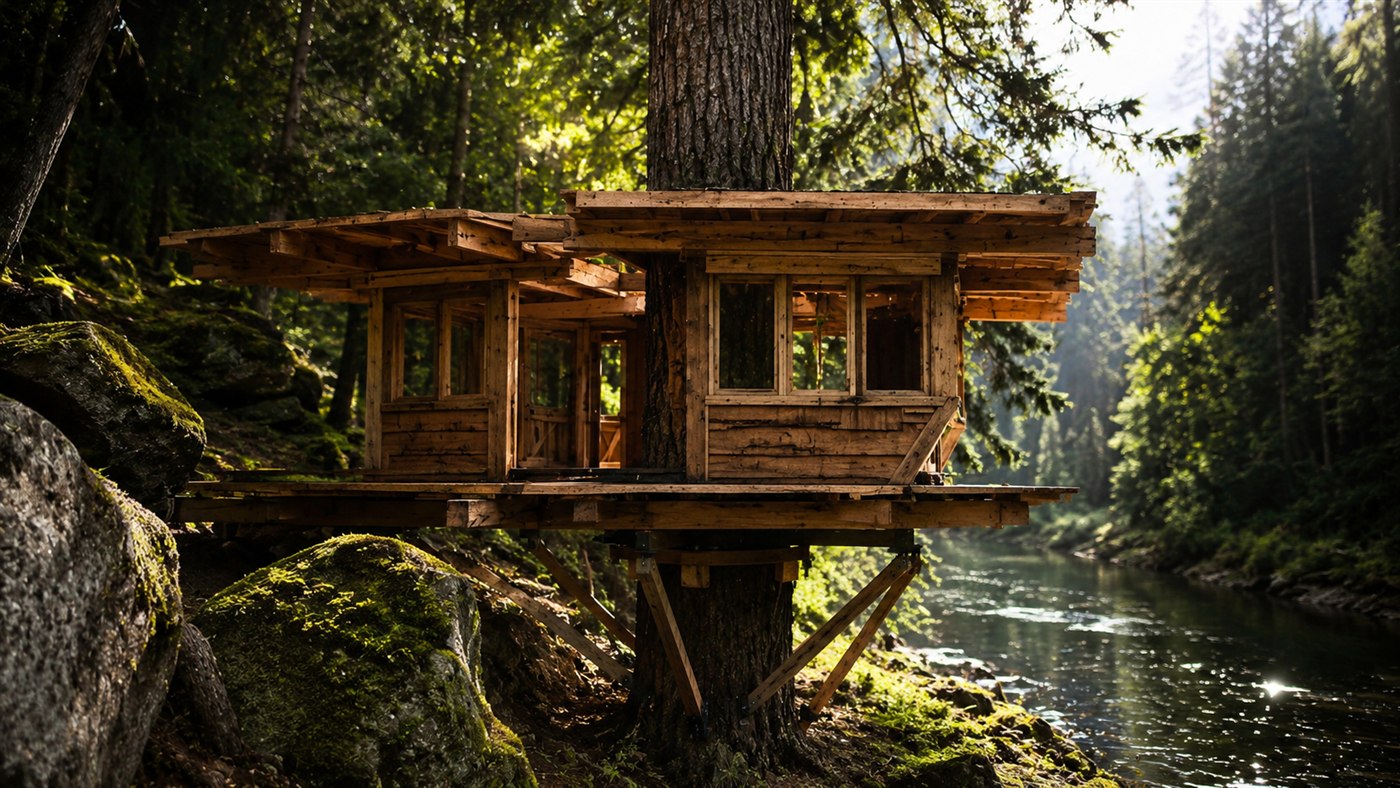
Man Builds Entire Treehouse in 21 Days Without Spending a Cent, Using Free Wood Collected from the Forest, and Creates a Structure That Slowly Rotates Around Its Own Trunk

-
Latin America’s Largest Treated Water Reservoir Hidden Beneath São Paulo’s Coastal Hills Holds 110 Million Liters in Sugarloaf-like Rock Formation
-
Japanese Fisherman Spends 18 Hours Alone at Sea in a Portable Floating Shelter, Launches Limited Edition Model via Crowdfunding


In the Serra da Ibiapaba, where the mild weather and expansive views stand out, the demand for cabins has grown in recent years. The Ceará Tourism Secretariat recognizes the region as one of the state’s mountain hubs, favoring investments in accommodations integrated with the local environment and culture.
Modular Cabins Made in Mucambo, Focus on Comfort, Local Identity, and Customization

The cabins at Regaço Acolhedor combine metal structure with wood finishes and large glazed surfaces, enhancing natural light and the mountain view. The idea is to provide immediate coziness, with practical solutions for operation in sites, beaches, or foothill areas.
Each unit is assembled at Sítio Engenho Queimado and can be customized in layout, finishes, and façade. The project values local labor, creating jobs and boosting services in the region, from transportation to carpentry and metallurgy.
Dimensions, Materials, and Equipment, What the Cabins Offer and How They Work
The most requested models follow a standard of about 2.70 m wide by 4 m deep, with a ceiling height that can reach 3 m. There are compact versions and others that feel more spacious due to the roof design and glazed front.
Inside, the company uses OSB (Oriented Strand Board) sheets and ACM panels in wet areas, as well as doors and fronts made of glass. According to APA The Engineered Wood Association, OSB is widely used in construction for its stability and structural performance when correctly specified and protected from moisture.
The bathrooms come equipped with a toilet, sink, and electric shower, and there is space for a double bed with a dresser, distributed outlets, and, when contracted, air conditioning and a minibar. In some models, the space also allows for a hammock holder, enhancing the comfort typical of the Northeast.
The façade can be fully glass or a mix of glass and wood, depending on the design. The flooring, made of solid wood, reinforces the rustic ambiance. The local connection is simple, with pre-prepared water and electricity connections, which speeds up the operational start.
Warranties and durability mentioned for materials and finishes follow specifications from manufacturers and the responsible entrepreneur. The technical guidance is to assess the climate, moisture protection, and preventive maintenance to preserve performance over time.
Prices, Lead Times, and Logistics, How Much It Costs and How Delivery Works
According to the entrepreneur, recent announced prices start at around R$ 29 thousand for basic models, with ranges approximately from R$ 33 thousand to R$ 36 thousand depending on finishes. Accessories such as decks, air conditioning, and furniture increase the final value.
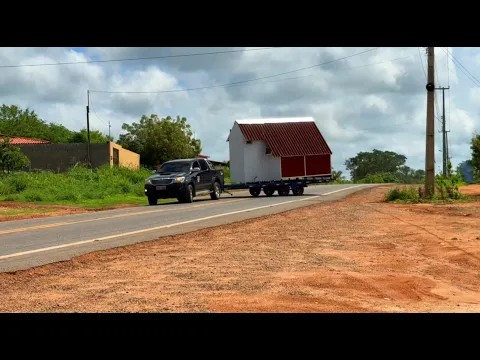
The cabins can be transported and installed within a few hours after the base is ready. Delivery to other regions of the country depends on freight, which the entrepreneur seeks to optimize through logistical negotiations to reduce costs and expand reach.
Nature Tourism Scenario in Ceará, Growing Demand for Cabins and Outdoor Experiences
The appeal for outdoor experiences and intimate accommodations drives alternatives such as cabins, huts, and mountain hotels. According to the MTur Tourism Observatory, domestic tourism has gained recent prominence, benefiting regions with preserved nature and mild climates.
In Ibiapaba, the combination of low temperatures, altitude scenery, and access roads has increased the flow of visitors. According to Setur-CE, the destination integrates strategic mountain routes, which stimulate private investments in unique accommodations and regional cuisine.
In this context, Regaço Acolhedor emerges as a quick solution for inns and family businesses to increase bed offerings with aesthetics aligned to the territory and efficient operation.
Local Impact, Job Creation, and Strengthening the Economy of Mucambo and Ibiapaba
By manufacturing its own structures, the project shortens timelines, maintains quality control, and distributes income within the community. The purchase of inputs, hiring of services, and training of labor qualify the local production chain.
In addition to increasing accommodation offerings, the initiative reinforces the cultural identity of the hinterland, with solutions designed for the climate and lifestyle of the mountains. It is an example of regional entrepreneurship that transforms landscapes into sustainable opportunities.
And you, what do you think about modular cabins as a solution to boost tourism and increase local income? Do the prices and logistics make sense, or are they still barriers to scaling this type of accommodation in Brazil? Leave your comment and tell us if this trend is innovation that is here to stay or just a passing fad.