Portuguese
  Spanish


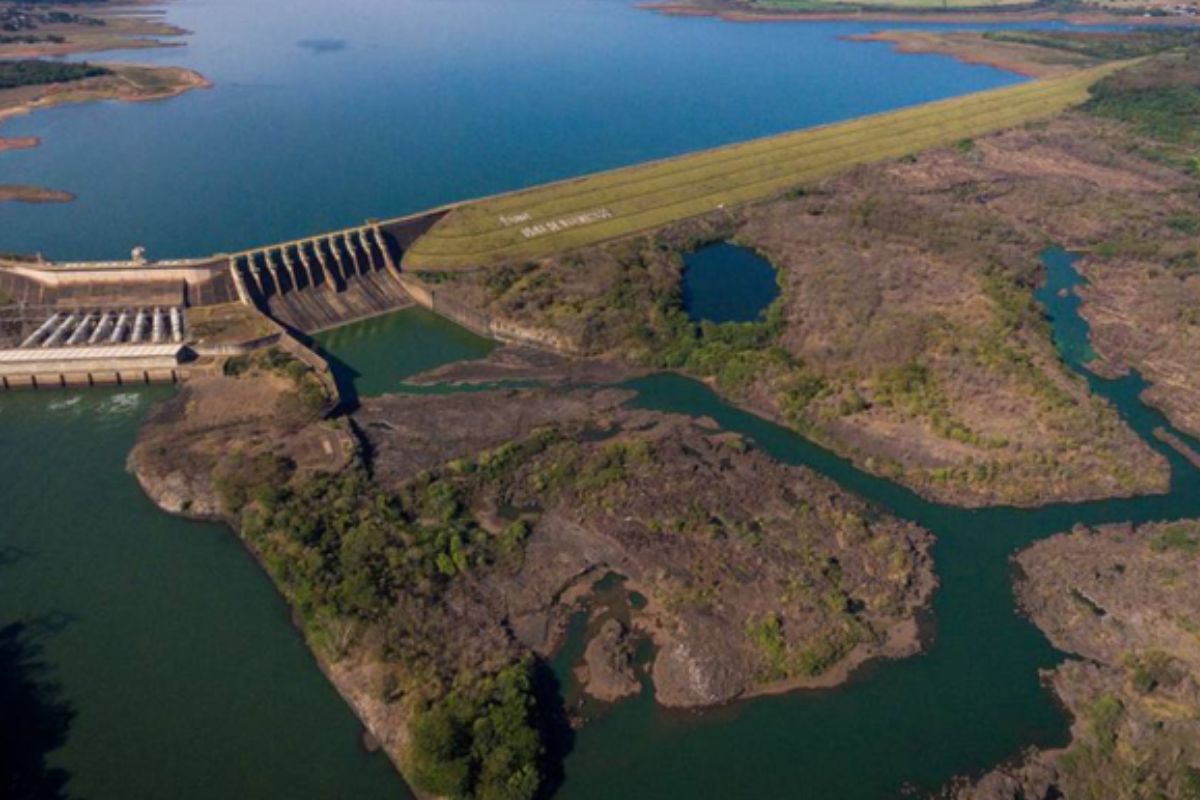

The Ministry of Mines and Energy Launches Innovative Measures to Improve Governance of Reservoirs and Ensure Greater Water Security in Brazil, Strengthening the Electric System and Energy Sustainability
The water security in Brazil has returned to the center of the debate with the new report from the Ministry of Mines and Energy (MME), which proposes a set of strategies to modernize reservoir management and improve governance of water resources, according to a news article published.
The study, titled Diagnosis of Governance of Integrated Management of Reservoirs of the National Interconnected System (SIN), integrates the Recovery Plan of the Regulation Reservoirs of Hydroelectric Plants (PRR) and presents solutions to ensure a more efficient and sustainable management.
The measures aim to strengthen coordination among public agencies and reduce vulnerabilities that directly impact the supply of electric energy and water supply.
-
Green Roofs on Homes Gain Popularity for Reducing Heat, Noise, and Rain Impact in Brazil

-
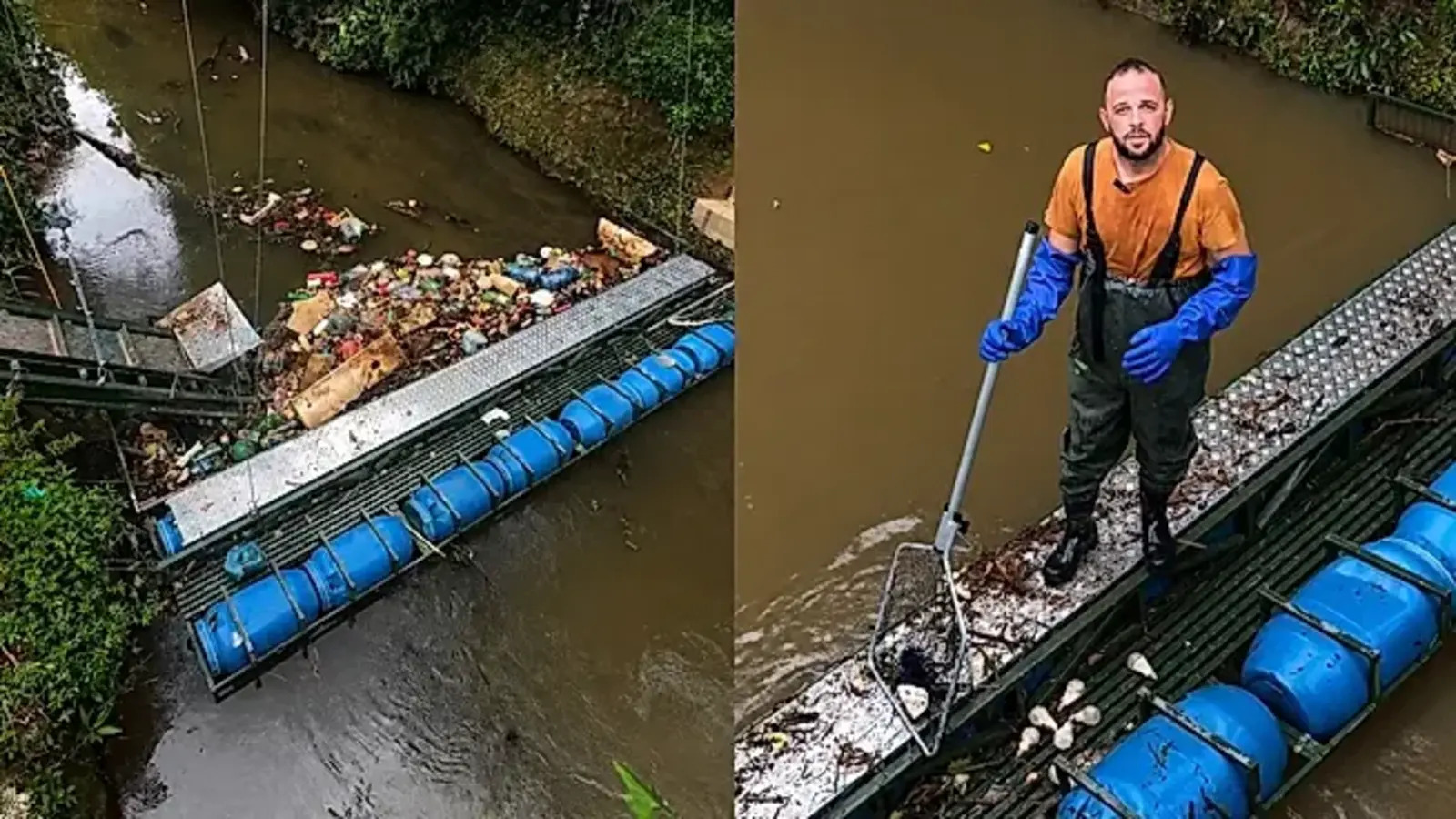
Brazilian promises his children to save a river, creates an eco-barrier in his backyard, has already removed more than 40 tons of trash from the water, and even inspires the idea in other states of the country.

-
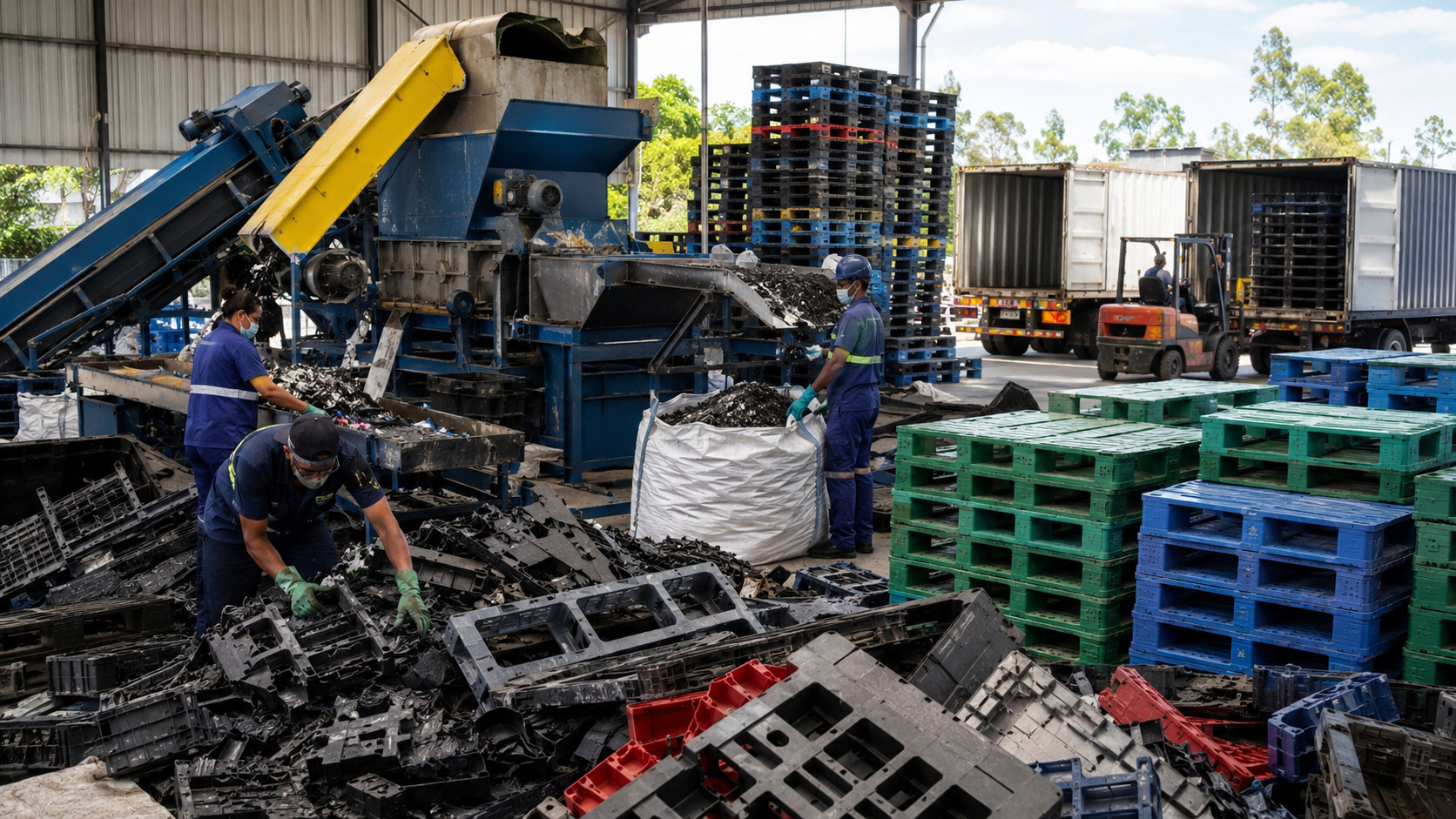
How a Brazilian company created a system that transforms broken pallets of any brand into new assets, recycles 80 tons of plastic per month, and found a profitable solution to a problem that challenges industries across the country.
-
Invasive bullfrog capable of devouring other amphibians and laying up to 20,000 eggs is found in Florianópolis, raising an alert about the threat to native fauna.


The report highlights the importance of integrating water management and energy production to consolidate a just energy transition.
According to the National Secretary of Electric Energy, João Daniel Cascalho, strengthening the governance of reservoirs means investing in the future of the electric system and the security of Brazilian natural resources.
Integrated Governance and Institutional Strengthening in Reservoir Management
The MME study was developed with support from the Fractal-FSET Consortium and involved strategic institutions, such as the National Agency of Electric Energy (ANEEL), the National Water and Basic Sanitation Agency (ANA), the National Electric System Operator (ONS), the Energy Research Company (EPE), and the Ministry of Integration and Regional Development (MIDR).
This broad institutional articulation reinforces the pursuit of integrated governance of water resources and technical cooperation among responsible agencies.
Based on interviews and technical analyses, the report identified opportunities for improving management and proposed measures to make the system more transparent, collaborative, and efficient.
Among the suggestions are the updating of legal frameworks, the creation of permanent prevention and response protocols for crises, and the strengthening of inter-ministerial bodies that deal with the operation of reservoirs.
These initiatives reinforce the role of water security in Brazil as a central axis for energy stability and sustainable development, preventing negative impacts during periods of prolonged drought.
Lessons from Water Crises and the Use of Technologies for Energy Security
The MME report also provides a historical overview of the main water crises, such as those in 2001, 2013, and 2021, highlighting how the lack of coordination between institutions and limitations of hydrometeorological forecasts contributed to imbalances in supply and increased energy costs.
Past experiences demonstrate the need to adopt advanced hydrological monitoring practices and intelligent use of climate data.
With technological advancement and process digitalization, data integration among ONS, ANA, and EPE will enable a more agile response to extreme climate events.
The study highlights that improving forecasting tools and sharing real-time information are essential to reduce risks and enhance water security in Brazil, especially in an increasingly severe climate change context.
Water Security in Brazil: International Cooperation and Sustainable Energy Transition
In addition to mapping internal challenges, the document presents international experiences that can serve as a reference for the country.
Successful cases of sustainable water governance, observed in countries like Canada and Norway, show that transparency and cooperation among agencies are fundamental pillars for resilient and efficient systems.
The report proposes that Brazil adopts good practices of environmental and energy governance, creating mechanisms that favor a sustainable energy transition, balancing energy generation and preservation of natural resources.
This integration is viewed as essential to ensure that water security in Brazil goes hand in hand with strengthening the national electric sector.
The MME emphasizes that the next steps include the gradual implementation of the suggested measures and monitoring their impacts on reservoir operations.
With coordinated actions and integrated public policies, the country can reduce vulnerabilities and consolidate a cleaner, fair, and resilient energy matrix.