





 Portuguese
  English
  Spanish
 4 min of reading
  0 comments


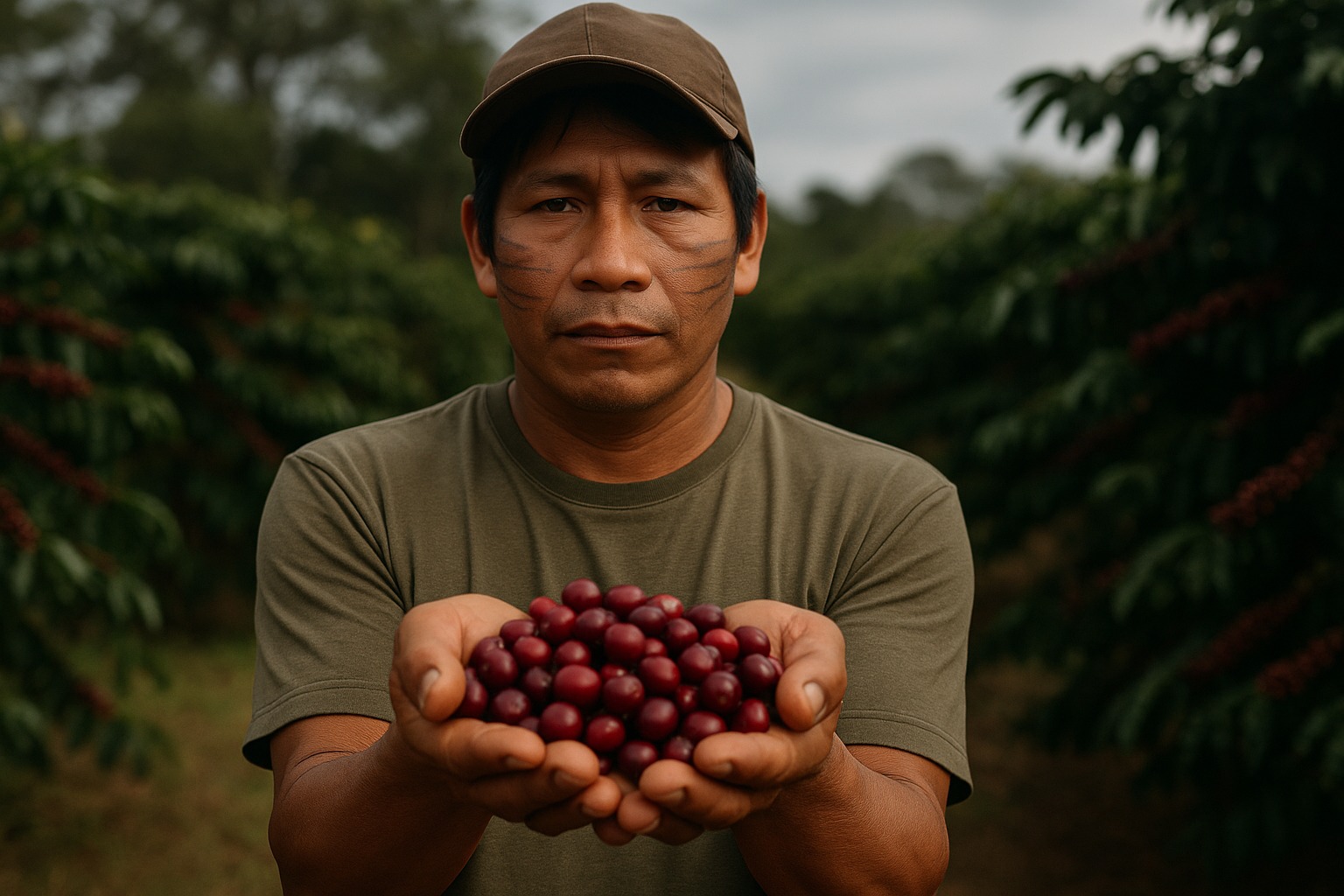
Cultivated in the Indigenous Land Sete de Setembro, in Rondônia, the coffee from the Suruí family received the highest score in a professional evaluation, becoming the first canephora in history to achieve sensory perfection and reinforcing Indigenous protagonism in national production
A coffee cultivated in the Indigenous Land Sete de Setembro, in Rondônia, achieved an unprecedented feat: it received a score of 100 on the sensory quality scale, becoming the highest-rated coffee in the history of the Tribos project by 3 Corações.
The achievement is even more curious because the producer, Rafael Mopimop Suruí, is not in the habit of tasting pure coffee — he usually sweetens the drink with sugar.
A Historic Achievement for Canephora Coffee
The lot produced by the Paiter Suruí family impressed experienced evaluators, including Sílvio Leite, one of the world’s greatest references in professional coffee tasting.
-
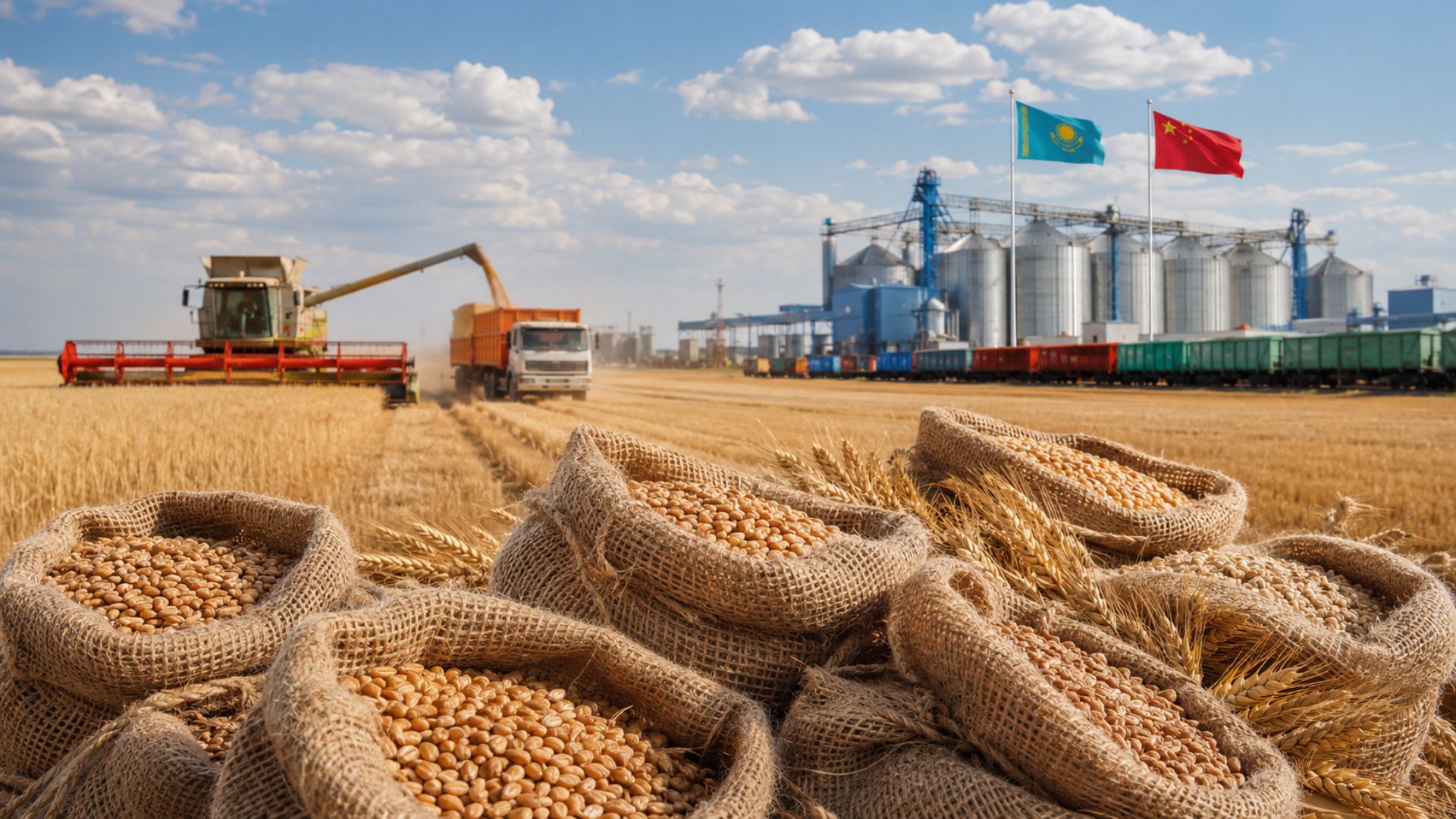
While the world discusses geopolitics, China is quietly closing a deal with its Kazakh neighbor to secure grain supplies during any global food crisis, with more than 3,600 Kazakh companies already able to export directly to the Chinese market.

-
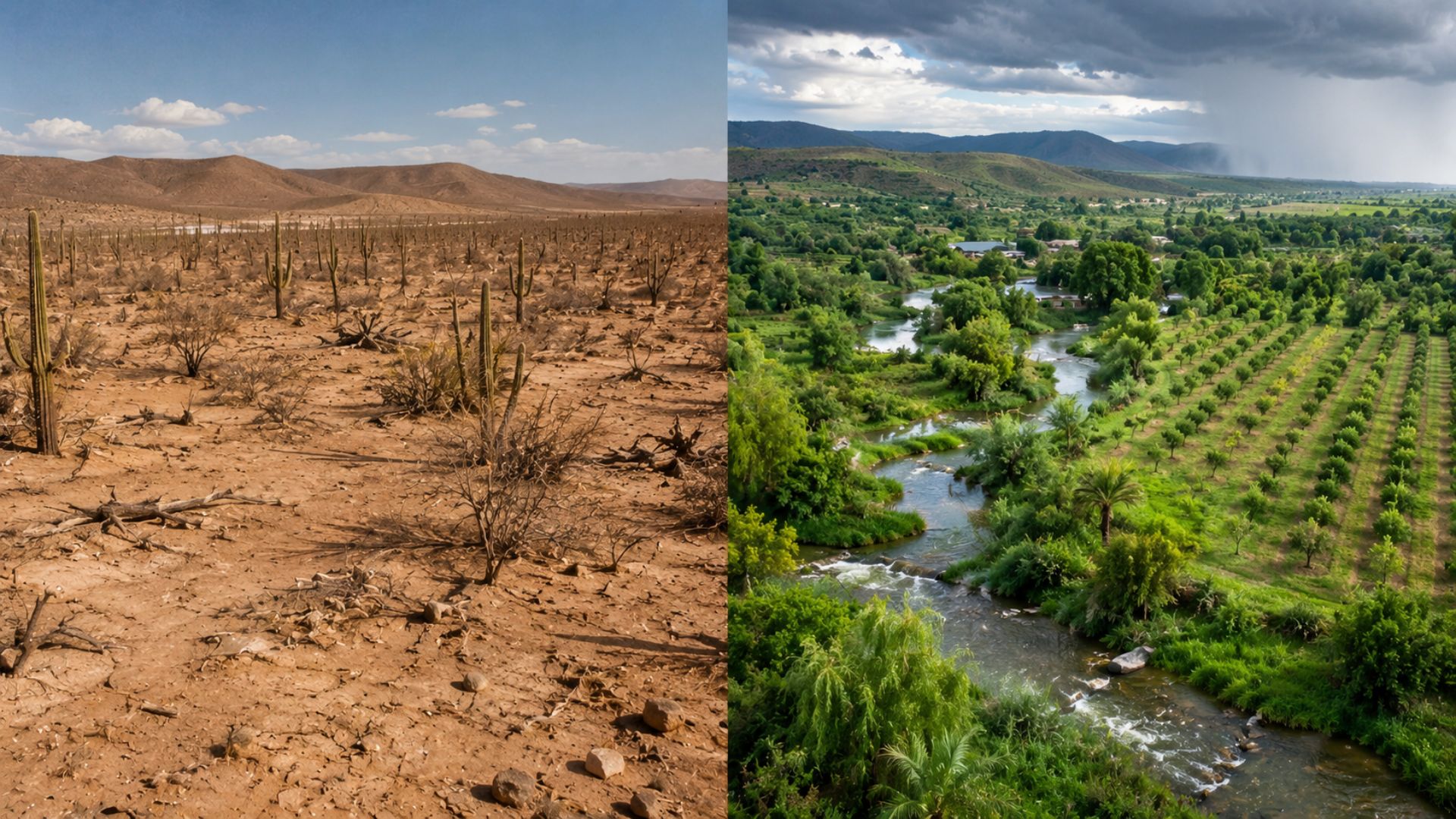
A farm in the Mexican desert has become so green that today it has rivers flowing year-round and even rain in the dry season, all thanks to a technique that transforms dead sand into fertile soil with manure, mountain microorganisms, and what farmers call the secret soil formula.
-
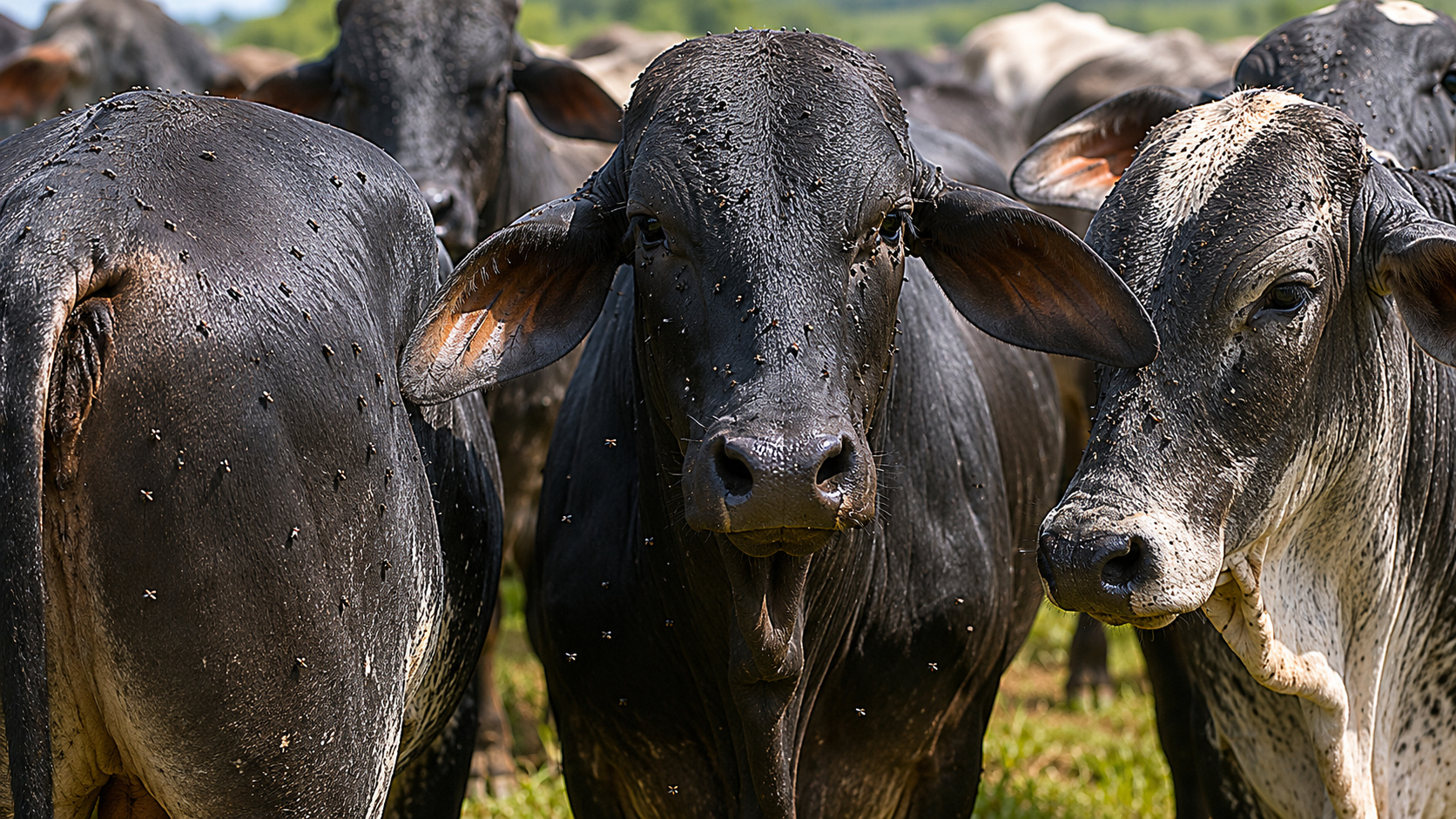
Stable fly infestation frightens producers in Costa Rica, disrupts cattle routine, reduces milk, and puts vinasse at the center of rural controversy.

-
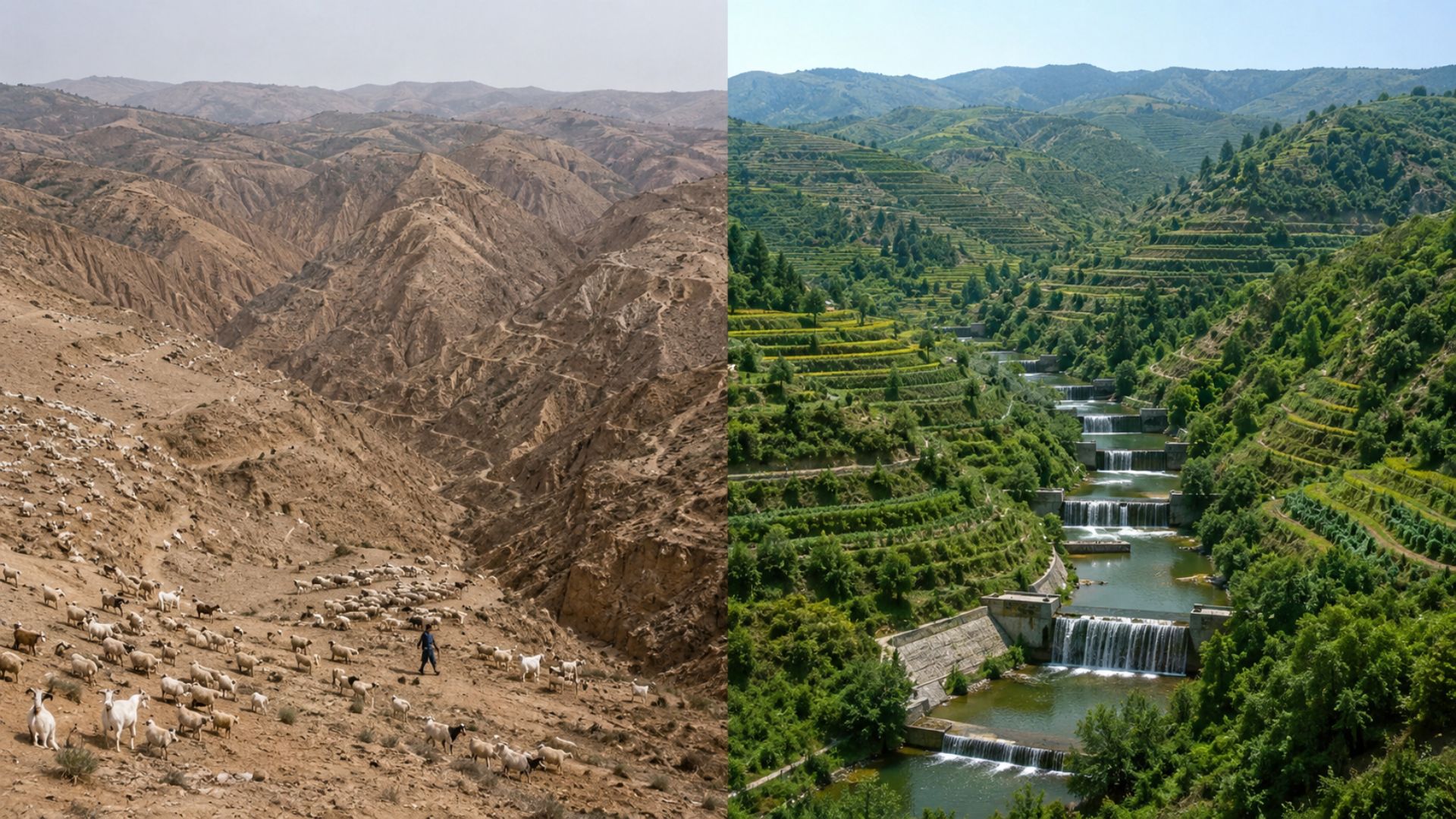
China banned free grazing of goats and sheep in parts of the most eroded plateau on the planet and, along with terraces and thousands of dams, managed to green slopes that were dumping 1.6 billion tons of soil per year into the Yellow River, in one of the largest environmental recoveries in history.
Leite, who has been in the sector for over 40 years, stated that this was only the fourth time he awarded the maximum score to a coffee — and the first for a bean of the canephora species.
According to him, the coffee exhibited “high complexity and a spectacular greatness of flavors.” Among the 50 terminologies used by tasters, standout sensory notes included white roses, amarula, wood, and a light alcoholic touch, combined with high acidity and natural sweetness.
The evaluation took place during the Tribos contest, where samples are subjected to blind tastings conducted by certified specialists.
Although several finalist lots showcased excellent quality, Rafael Suruí’s coffee immediately stood out for the intensity and balance of its aromas.
Production with Technique and Tradition
Rafael Suruí attributes the success to a careful drying process, essential to preserve flavors in a region as humid as the Amazon.
He notes that the result surprised him: “It’s a surprise. I don’t understand much about coffee, I am used to drinking coffee with sugar. Without sugar, I have to learn,” he said.
The production is part of the Tribos project, developed since 2019 by 3 Corações in partnership with 169 Indigenous families from the Brazilian Amazon.
The program provides technical and logistical assistance, in addition to paying above market prices, encouraging sustainable cultivation and the economic autonomy of Indigenous peoples.
Rafael emphasizes that international recognition values Indigenous work and helps strengthen the cultural ties of new generations.
“This recognition makes many young people decide to stay in the community instead of leaving for the city,” he stated.
Launch and Limited Edition
The award-winning coffee is coming to market in a collector’s edition. Each unit contains 150 grams of beans packaged in a crystal container and accompanied by an exclusive grinder, allowing the consumer to prepare the coffee on the spot.
The price is R$ 599 per unit, reflecting the limited production — only 333 units were produced, all from the small plantation of the Suruí family.
The units are available on the e-commerce site of 3 Corações and are expected to sell out quickly.
Celebration with Chefs and Celebrities
The official launch took place this Wednesday (8), during a special lunch at the restaurant Dalva e Dito, by chef Alex Atala, in São Paulo.
The event brought together representatives from 3 Corações, press guests, and personalities such as DJ Alok and his wife, Romana Novais.
Rafael, his wife, and his son represented the Paiter Suruí at the celebration. After lunch, the historic coffee was served paired with a dessert prepared by Atala, which combined jackfruit, bacuri, coconut, and whipped cream — a combination designed to enhance the tropical and floral notes of the drink.
A New Chapter for Indigenous Coffee
The case of Rafael Mopimop Suruí is seen as a milestone for Brazilian coffee and, especially, for Indigenous cultivation in the Amazon.
The Tribos project, which reinvests all profits from the line back into its producing communities, shows that it is possible to unite cultural tradition, sustainable management, and sensory excellence.
The bean rated as “perfect” not only elevated the name of the Suruí family but also opened space for other Indigenous communities to recognize the value of their own lands, knowledge, and flavors — now celebrated in cups around the world.
With information from Folha de São Paulo.






-

1 person reacted to this.