Portuguese
  Spanish


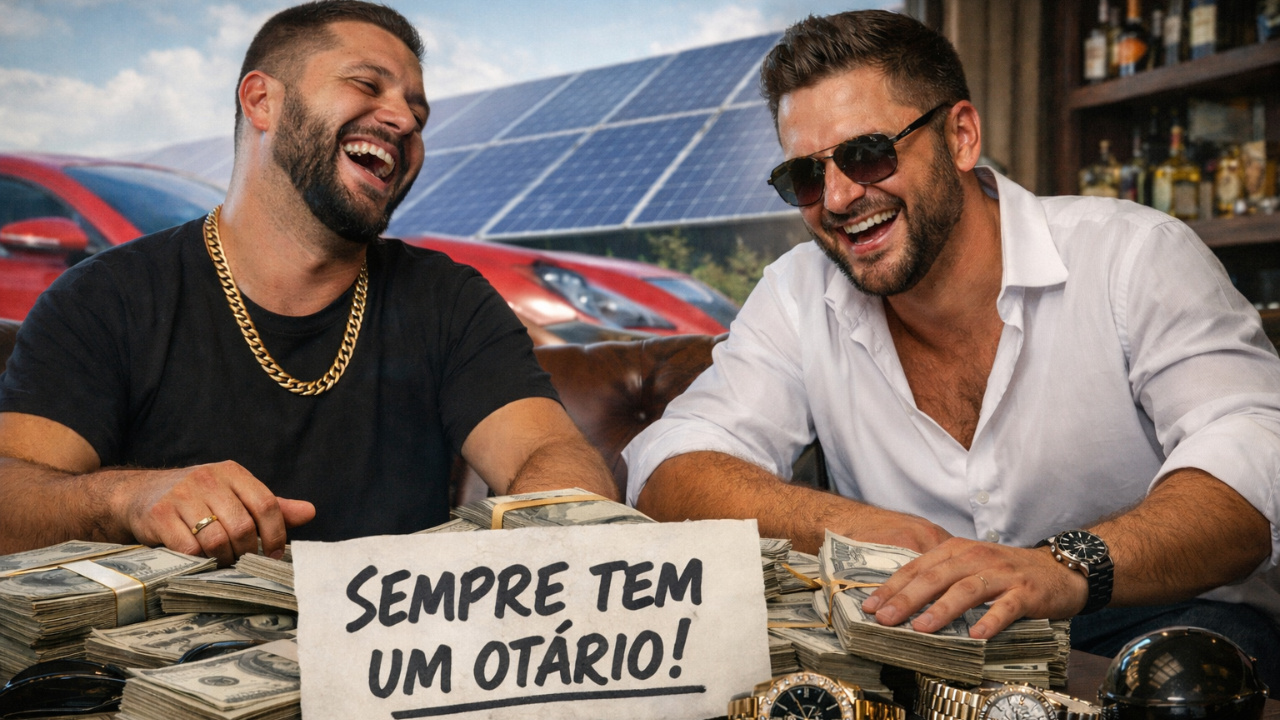

Scheme That Used a Supposed Solar Energy Company to Attract Investors Is Target of the Federal Police After Billions in Frauds and Money Laundering.
The promise of easy profits with solar energy turned into a nightmare for thousands of Brazilians.
A scheme investigated by the Federal Police revealed that a company claiming to operate in the solar panel sector was being used to commit financial scams and launder money.
While investors believed they were financing sustainable projects, the suspects displayed luxury cars and mocked the victims.
-
Island in Brazil Innovates by Installing 184 Solar Panels on Urban Lagoon to Generate Clean Energy

-
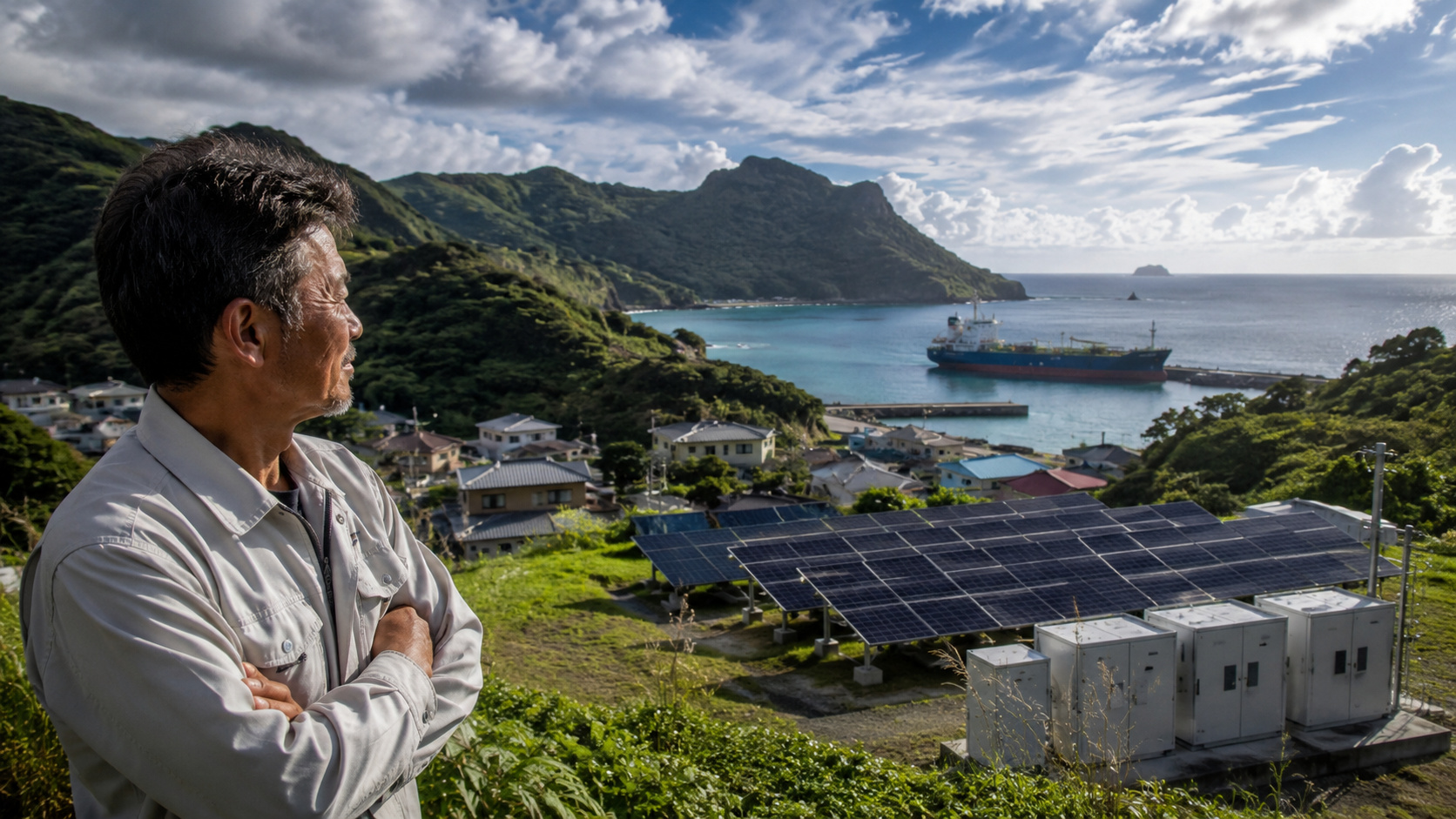
Japanese Island of 417 Residents to Test Living Half the Year Solely on Solar Power, Reducing Dependence on Diesel Brought by Ship
-
Brazilian Fishermen Use Solar Power to Produce Nearly One Ton of Ice Daily, Preventing Fish Spoilage Before Reaching Market
-
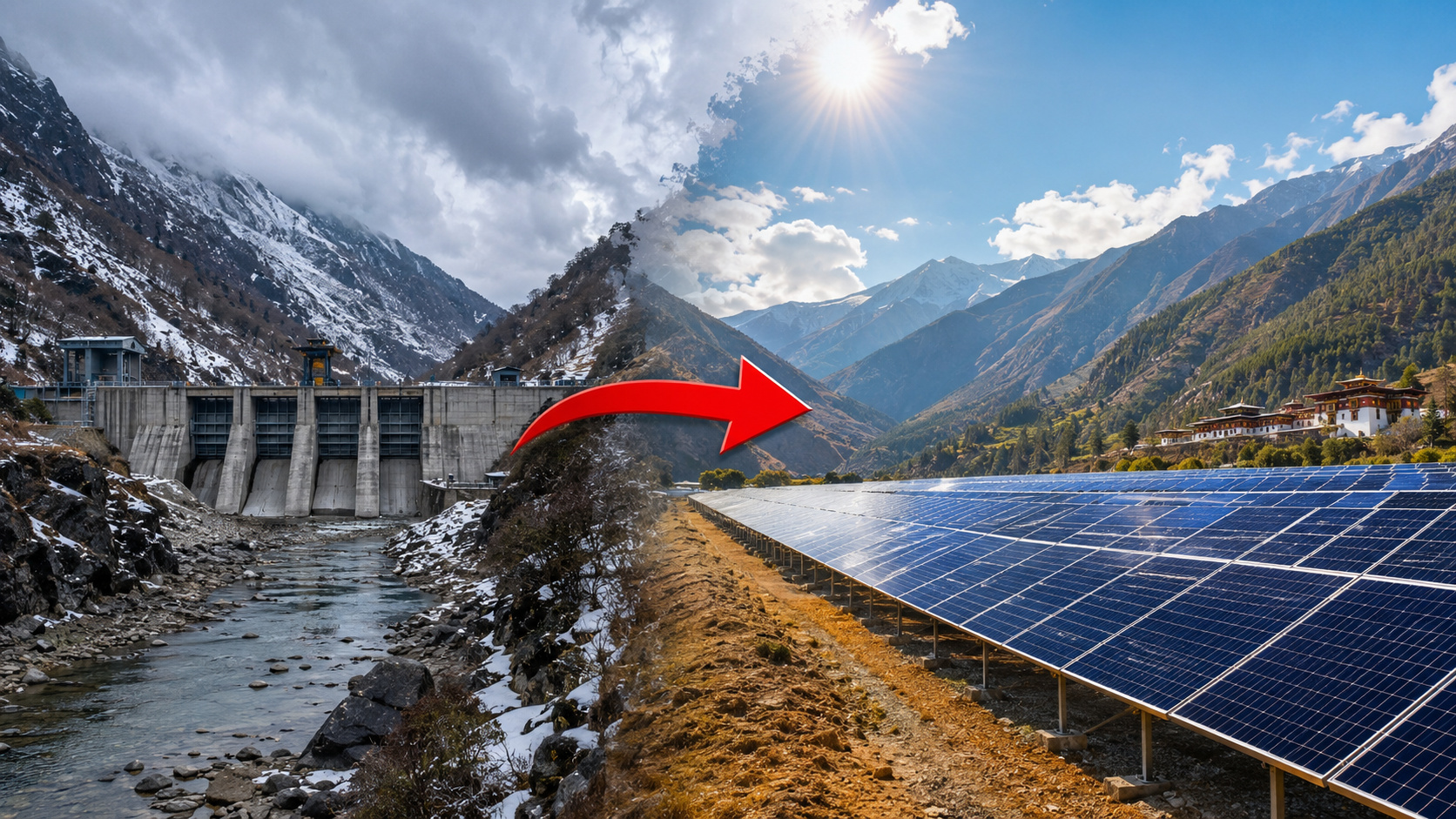
Brazil, known for its river-powered energy, installs solar plant in mountains to boost winter electricity production


Luxury Car Dealership Hid Money from the Scheme
According to the Federal Police, the group investigated by Operation Pleonexia II used a luxury car dealership in São Paulo to hide and move the money obtained through the frauds related to the fake solar energy.
At the location, over 75 high-end cars were seized during the operation.
Delegate Joaquim Ciríaco explained how the scheme worked. “They used a luxury vehicle dealership in São Paulo. This dealership received money through a financial operator and moved it in order to launder and shield the money’s origin. Shielding, especially, the leader of the criminal organization, who has been in prison since early last year.”
Scammers Laughed at the Victims and Admitted Fraud
The messages intercepted by the Federal Police show the contempt the involved parties had for the investors. In one of the conversations, one of the suspects admits that the business was a pyramid scheme and mocks: “there’s always a sucker to fall for it.” He then laughs.

Furthermore, the audios reveal that the victims signed contracts “even though nothing is working,” a direct reference to solar panels that didn’t even produce energy.
In another exchange of messages, one suspect is surprised by his own assets. “Dude, I don’t even know what I have,” he says upon seeing a picture of an apartment that would be his.
Solar Energy Company Existed Only on Paper
The main core of the scheme was located in Natal, according to the Federal Police. The company claimed to operate with solar energy, but in practice, it had neither authorization nor structure to operate in the sector.
<p“They utilized Natal, but sold to the whole country. They used, according to them, the city of Natal, considering the solar incidence. I believe they found it easier to carry out the scam here,” explained the delegate.
According to the investigations, the criminals promised a fixed return of 5% per month, claiming that investors would purchase shares of solar panels managed by the company.

However, the Federal Police confirmed that the company did not operate in the solar energy sector and did not possess authorization from regulatory bodies.
Thousands of Victims and Millions Blocked
The police estimate that around 6,300 people were harmed by the scheme. The Justice determined the blocking of up to R$ 244 million in assets and funds to attempt to ensure reimbursement for the victims.
Only in bank accounts, the suspects moved over R$ 160 million. In the first phase of the operation, in 2025, just over R$ 80 million were blocked and rare items were seized, such as a ball signed by Pelé, a Messi’s soccer cleat, and a Roger Federer’s racket.
In addition to the seizures in São Paulo and Natal, warrants were also executed in São Leopoldo, Rio Grande do Sul, expanding the reach of the investigation.