Portuguese
  Spanish


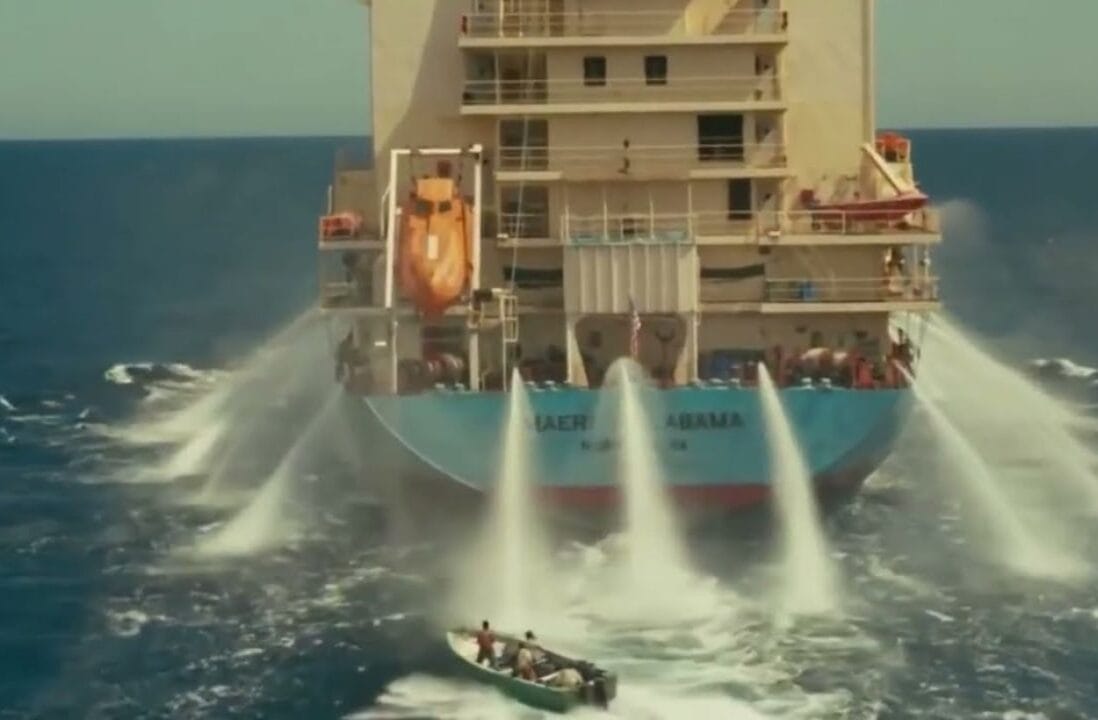

The Hijacking Of Maersk Alabama By Somali Pirates In 2009 Became A Milestone In Modern Maritime History, Highlighting The Constant Threat Of Piracy And The Resilience Of Seafarers. Under The Leadership Of Captain Phillips, The Crew And The Subsequent Rescue Operation By The US SEAL Team Six Reaffirm The Power Of Strategy, Courage And Innovation In Protecting Freedom Of Navigation In International Waters.
In April 2009, the world turned its eyes to an episode of piracy that seemed straight out of a Hollywood script. The Maersk Alabama, a cargo ship sailing from Salalah, Oman, to Mombasa, Kenya, was attacked by Somali pirates off the coast of Somalia. This event not only highlighted the dangers faced by civilian vessels at sea, but also brought to light the courage and resilience of Captain Richard Phillips and his crew.
Maersk Alabama: Between Technology And Tradition
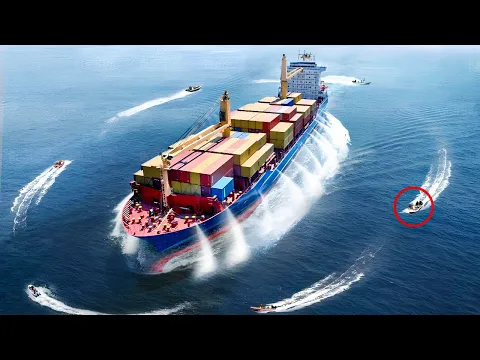

The Maersk Alabama, operating under the flag of the United States, faced threats with a modern arsenal of defenses. From water cannons to long-range acoustic devices, the ship was equipped to repel pirates. However, despite these efforts, two pirates managed to board, marking the beginning of a tense standoff.
The story of Captain Richard Phillips, who found himself captured by the pirates, is a testament to courage in the face of imminent danger. After the crew took refuge in a secure control room, Phillips and a few others were captured on the bridge. The incident culminated with Phillips being held hostage in a lifeboat, demanding a two million US dollar ransom.
-
The man who started in construction with his own house founded a company in 1957, went through a banking crisis in 1987, and ended up connected to 16,500 houses in Houston.

-
They exchanged the idea of a large house for a 35 m² warehouse, spent US$ 12,000 on the structure, and created a tiny house in Colorado with space to live and work.
-
While modern cities rely on pumps and electricity, in Iran, ancient tunnels carried water through the desert using only slope and gravity.
-
Instead of sending families far from the city, a project in Chile intentionally created incomplete houses on expensive urban land and left technical space for each to grow.



The Heroic Outcome And Rescue Of Captain Phillips
Tension reached its peak when, after 94 hours in captivity, the SEAL Team Six of the United States Navy executed a meticulously planned rescue operation. With a combination of strategy and precision, snipers eliminated the pirates and rescued Captain Phillips, without a scratch.
The Fight Against Piracy
The incident involving the Maersk Alabama highlights the ongoing threat of modern piracy and the measures taken by civilian and military vessels to protect themselves. The United States Navy, with advanced weaponry and technology systems, continues to play a crucial role in safeguarding the seas against these threats.
The episode of the Maersk Alabama and Captain Phillips is not just a story of overcoming and heroism; it serves as a reminder of the importance of maritime safety and ongoing vigilance against piracy. As ships continue to navigate the world’s oceans, the fight against piracy will remain a priority to ensure that the seas are safe for all.
About Maersk
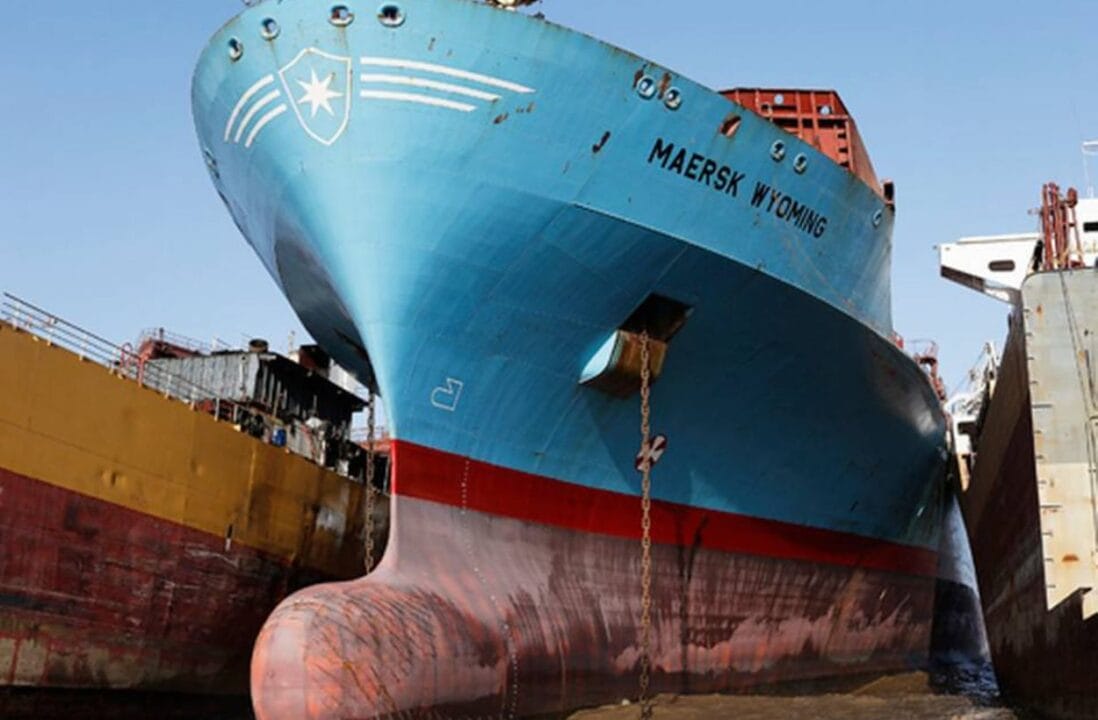
The story of Maersk is a saga of vision, innovation, and leadership in the global transportation and logistics landscape. Founded in 1904 by the duo A.P. Møller and his father, P.M. Møller, with a modest steamship, Maersk has transcended its origins to emerge as the largest container shipping operator in the world, a prominent position held since 1996. This transformation was not just an expansion of fleet and global reach, but also a testament to the company’s ability to lead revolutions in maritime transportation, including the historic adoption of the containerization model.
The post-World War II period was critical for Maersk. Despite the devastation of its fleet, the company embarked on a shipbuilding program that not only restored its previous capacity but also significantly expanded it. The introduction of innovative vessels and the construction of the Odense Lindø shipyard were key steps that paved the way for Maersk’s growth and diversification of operations.
In the 1960s and 70s, Maersk stood out by embracing the containerization revolution, a movement that reshaped global maritime transport, increasing efficiency and reducing cargo handling costs. At the same time, Maersk diversified its operations, entering oil exploration in the North Sea, showcasing its innovative spirit and ability to adapt and thrive in different segments of the maritime and energy market.