Portuguese
  Spanish


Sergipe Reaches 253 MW in Solar Energy and Strengthens the Energy Transition in Brazil with Investments, Jobs, and Sustainable Advances.
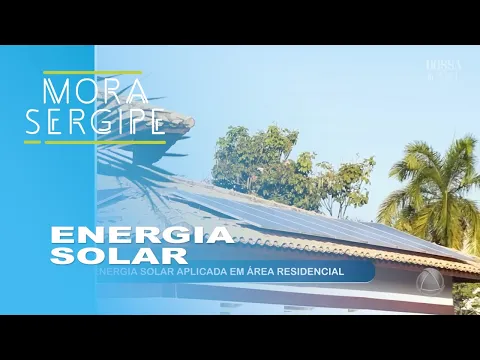
The state of Sergipe has been consolidating its position as a national highlight in solar energy generation. Sergipe reaches 253 MW of power in solar energy, a milestone that reflects not only impressive numbers but also a continuous movement towards a cleaner and more sustainable future.
This advancement accompanies a global scenario of renewable energy expansion, in which Brazil plays a strategic role. In Sergipe, solar energy has already become an essential part of the electric matrix, bringing economic, social, and environmental benefits that transform the reality of thousands of people.
According to data from the Brazilian Association of Photovoltaic Solar Energy (Absolar), the state already has over 21,000 active solar connections spread across 75 municipalities. This means that 100% of Sergipe’s cities participate in this energy transition, reinforcing the decentralization of access and the democratization of electric generation.
-
Island in Brazil Innovates by Installing 184 Solar Panels on Urban Lagoon to Generate Clean Energy

-
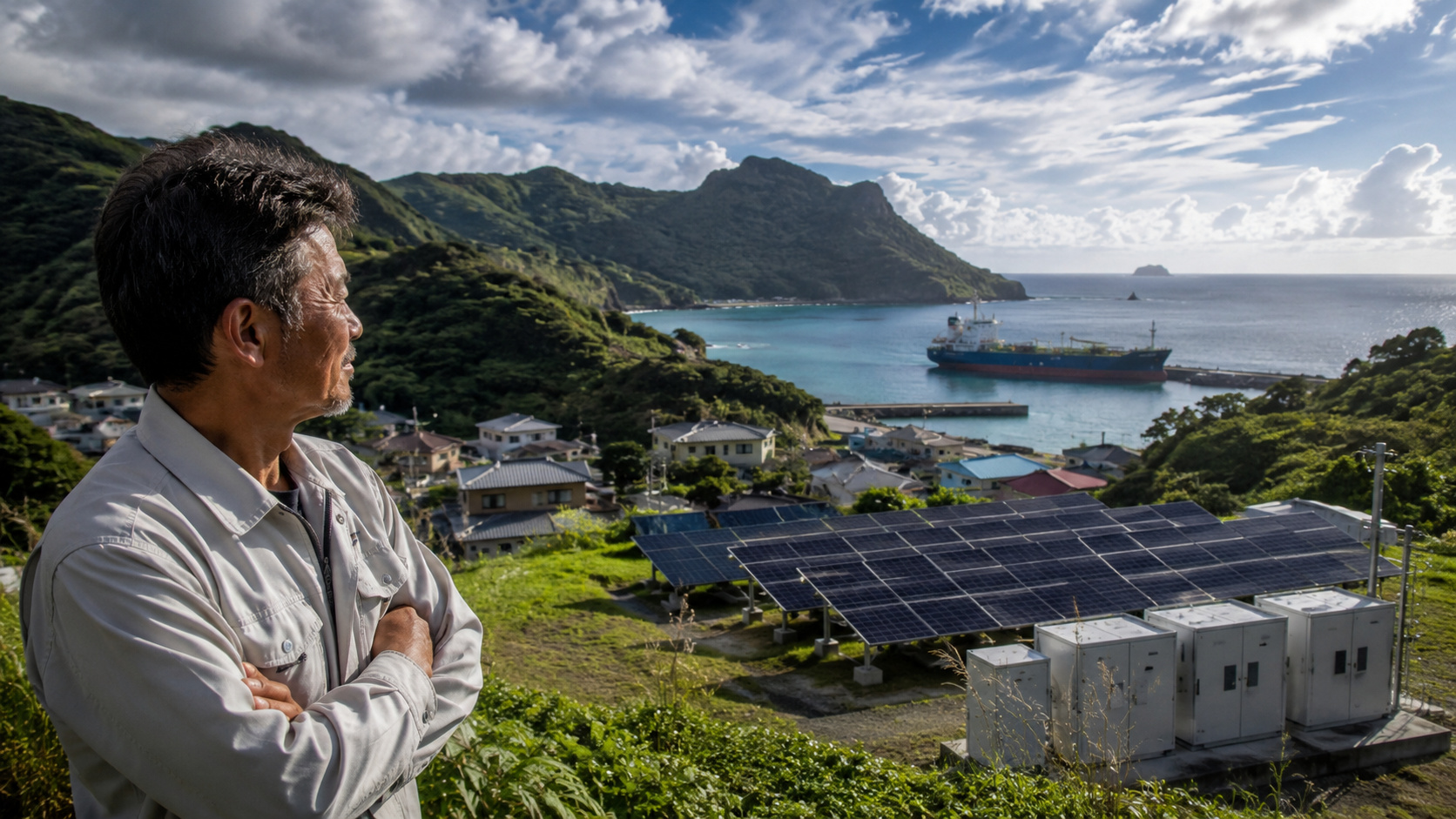
Japanese Island of 417 Residents to Test Living Half the Year Solely on Solar Power, Reducing Dependence on Diesel Brought by Ship
-
Brazilian Fishermen Use Solar Power to Produce Nearly One Ton of Ice Daily, Preventing Fish Spoilage Before Reaching Market
-
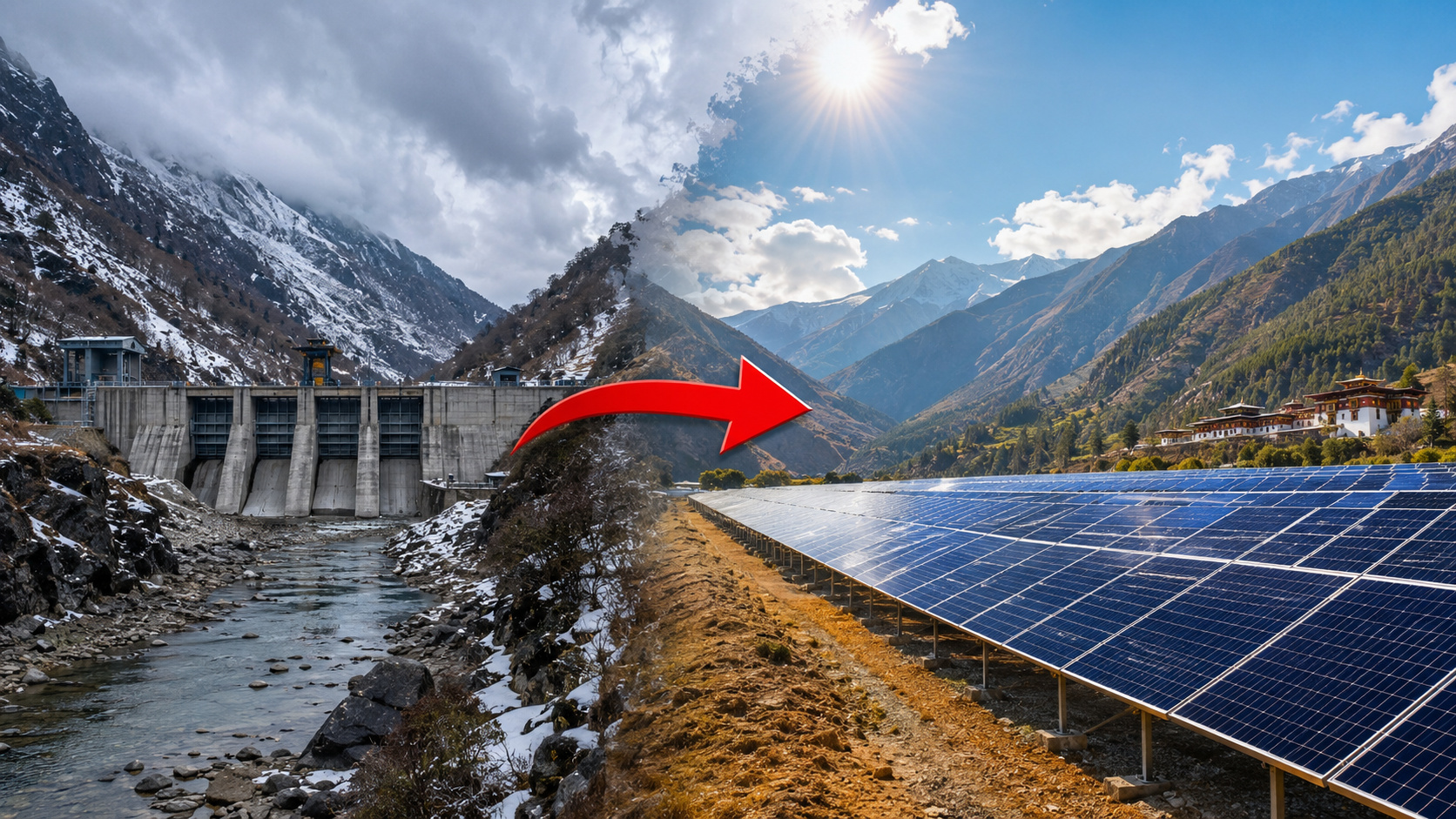
Brazil, known for its river-powered energy, installs solar plant in mountains to boost winter electricity production


Beyond the numbers, this advancement highlights how society and the private sector can work together. Community solar energy projects are beginning to emerge, encouraging entire neighborhoods to produce clean electricity. In this way, in addition to saving, residents contribute to reducing emissions and strengthening the local grid.
History and Evolution of Solar Energy in Sergipe
The process of incorporating solar energy in Brazil officially began in 2012, when the National Electric Energy Agency (Aneel) regulated what is known as distributed generation. From this change, consumers gained the right to generate their own energy and compensate for excess production on the grid.
In Sergipe, this movement gained strength over the last decade. Since then, the state has attracted over R$ 1.1 billion in private investments, resulting in the creation of 7,600 direct and indirect jobs. Furthermore, R$ 300 million in taxes have been collected, strengthening the local economy and increasing public revenue.
Distributed generation has spread mainly through residential rooftops, businesses, industries, and small plots of land. More than 33,000 Sergipe consumers already produce their own solar energy, gaining electrical autonomy and significantly reducing costs on their electricity bills.
Additionally, educational projects focused on solar energy have expanded in technical schools and universities. These programs train young people and professionals, strengthening the local workforce and creating opportunities for technological innovation. Thus, Sergipe is investing not only in energy but also in knowledge and human development.
Benefits of Solar Generation for Consumers and Society
One of the greatest attractions of solar energy lies in direct savings. Studies by the consultancy Volt Robotics, commissioned by Absolar, showed that by 2031, the net savings for Brazilian society could exceed R$ 84.9 billion.
This amount does not only benefit those who install photovoltaic systems. The entire population benefits, as solar energy reduces the need to activate expensive and polluting thermoelectric plants, eases the electric grid, and helps stabilize tariffs.
Besides the financial aspect, solar generation strengthens energy security. Consumers who produce their own energy become less dependent on fluctuations in the electric sector, reducing the risk of blackouts and increasing the reliability of the grid.
Additionally, the expansion of solar energy creates opportunities for the local equipment industry. Manufacturers and service providers can develop solutions tailored to regional needs, strengthening the internal economy and stimulating technological innovation.
Public Policies and Regulatory Challenges
Despite the advancements, experts warn that Sergipe and Brazil still need more robust public policies. Absolar advocates for the creation of specific programs to include solar energy in public buildings, affordable housing, and projects aimed at universalizing access to electricity.
This type of incentive can transform the sector even further. The inclusion of technology in affordable housing, for example, would democratize access and reduce social inequalities, as well as expand local job generation.
In the regulatory field, the Provisional Measures No. 1300/2025 and No. 1304/2025 are currently in progress in the National Congress, addressing the electric sector reform. Absolar argues that these proposals should provide solutions to problems related to distributed generation, especially the exclusion of any discriminatory treatment for consumers participating in the Electric Energy Compensation System (SCEE).
Moreover, experts highlight the need for the simplification of bureaucratic processes for the installation of solar systems, which would accelerate the expansion of distributed generation and increase the sector’s competitiveness.
Popular Support and Social Importance of Solar Energy
Research indicates that nine out of ten Brazilians wish to generate their own clean energy. This data shows how solar energy has gained broad social and popular support, becoming part of the collective imagination of sustainability.
For Bárbara Rubim, Vice President of Distributed Generation at Absolar, changing the rules recently approved by Law 14.300/2022 would be a strategic mistake. This could create legal uncertainty, increase litigation in the sector, and delay the fair and sustainable energy transition that the country needs.
Furthermore, solar energy promotes environmental education. Residents and communities learn about conscious consumption and reducing climate impacts, creating a culture of sustainability that extends beyond the energy sector.
The Future of Solar Energy in Sergipe
Sergipe has the potential to grow even more. With high solar radiation levels and a more conscious consumer market, the state can double its installed capacity in the coming years. To achieve this, it will be essential to combine private investments, public incentive policies, and regulatory stability.
Solar energy is not just an alternative but a strategic solution for Brazil’s energy future. Sergipe demonstrates this by integrating sustainability, economy, and job generation along the same path.
When we look at the numbers, we see progress. However, when we observe the social and environmental impacts, we realize that solar energy has already transformed lives and communities in Sergipe. This movement signals that the state will continue to lead the energy transition and serve as an example for other regions in the country.
Sergipe as a Reference in Renewable Energy
The milestone of Sergipe reaching 253 MW of solar energy power is more than just a technical data point. It represents a structural change that connects economic development, social justice, and environmental preservation.
As the world accelerates the energy transition, Sergipe shows that investing in renewable sources is possible, viable, and beneficial for society as a whole. The state reveals, therefore, that solar energy is no longer the future, but the present of the Brazilian electric matrix.