Portuguese
  Spanish


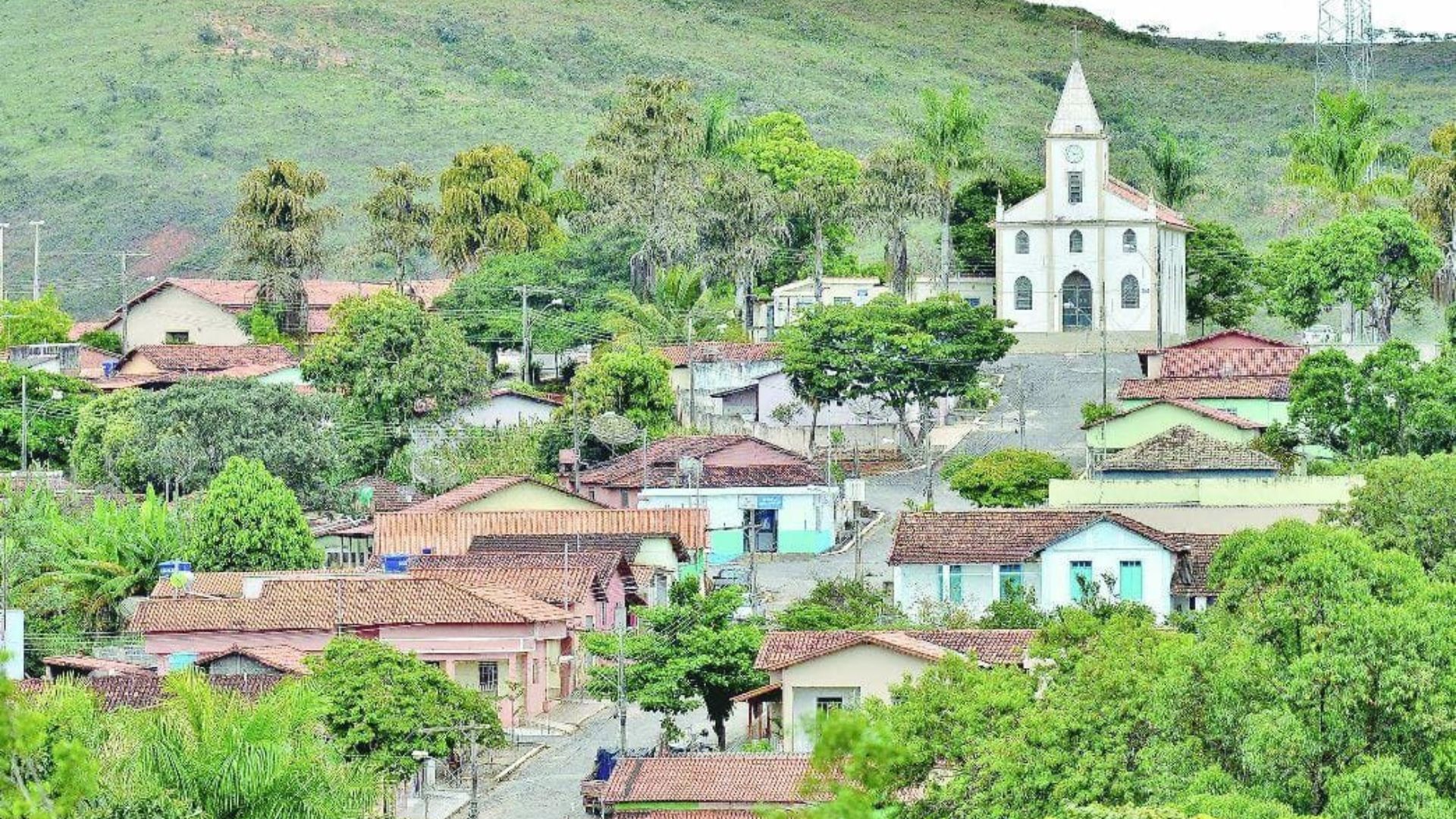


Isolated Among the Mountains of Minas Gerais, the Smallest City in Brazil Has Only 856 Residents, No Homicides in Six Decades, and a Life Where Trust Replaces Locks and Credit Sales Are Still Common
In the heart of Minas Gerais, Serra da Saudade is the portrait of a nearly forgotten Brazil. With only 856 registered residents in 2025 by IBGE, the municipality has been officially the least populous in the country for 12 consecutive years. There are only two neighborhoods — Centro and São Geraldo — and 30 streets where silence prevails and everyone knows their neighbors’ names.
Despite its tiny population, the city surprises with its territorial size: 335.6 km², an area even larger than Belo Horizonte, which has 331.4 km². The GDP per capita was R$ 28.3 thousand in 2021, and gross revenues exceeded R$ 31 million in 2024, with a monthly transfer from the Municipal Participation Fund (FPM) of about R$ 1 million in July.
According to a report published by Gazeta do Povo, Serra da Saudade was emancipated in 1962 and is administered by Mayor Neusa Maria Ribeiro (PP), now in her third term, elected with 90% of the votes. “Here, everyone knows each other. I can risk saying I know all the residents,” claims the manager, summarizing the spirit of community that guides the city.
-
How to Prevent Brown Recluse Spider Bites: Common Hiding Spots and Free Tips to Reduce Risks

-
Natto: The Unusual Japanese Superfood Gaining Popularity on Social Media and Driving Record Exports
-
Brazilian Mayor Goes Undercover as Homeless for 24 Hours to Assess Public Services

-
15-Year-Old Entrepreneur Malu Lira Publishes 20 Children’s Books on Financial Education, Earns $500,000, and Expands Her Project to the Amazon Rainforest






A Routine of Trust: Credit Sales, Open Doors, and Vigilant Neighbors
In the local commerce, time seems to have stood still. There are only two supermarkets, one of which has 60 years of tradition, still selling “on credit.” There is also one bakery, seven bars, and one lottery house — but no pharmacy or gas station. Medications come from the city hall, and the nearest fuel supply is in Estrela do Indaiá, 15 km away.
In the small restaurant of Dona Maria Avelina, the wood stove warms just as much as the welcoming atmosphere. “I used to be a lunch lady. There are few customers, but the peace here is priceless,” she says, while preparing traditional Minas Gerais meals for elderly neighbors.
Doctor Guilherme Neves de Azevedo, coming from Belo Horizonte, confirms the familiar atmosphere. In the only health clinic, there are no lines. “Adapting was easy. We have close relationships with people,” he says. More complex cases are referred to Dores do Indaiá, a neighboring city with better hospital facilities.
Exemplary Safety: 60 Years Without Homicides
Serra da Saudade boasts a rare achievement in contemporary Brazil: it has not registered a homicide in six decades. Lieutenant Fabrício Aparecido da Silva from the Military Police of Minas Gerais states that the last incident of this kind dates back to the 1960s.
“Last year we had two thefts, and this year only one cell phone theft — which was recovered,” the officer reports. Robberies? None in many years. The secret lies in the network of trust: “When a car or someone unknown arrives, residents alert the police. We approach with respect and check,” explains the lieutenant.
A life without bars also reflects in the community interactions. In the central square, free Wi-Fi connects residents, but the true connection happens away from screens — in sidewalk conversations and the church benches. “Here, we are all one big family,” says the Secretary of Education and Tourism, Ivan Hernane de Oliveira.
An Indigenous Legend and a Name That Carries Emotion
The history of the municipality is as poetic as its name. “Serra da Saudade” is said to have originated from an indigenous legend. In the 18th century, after a land conflict, only one young survivor remained, who awaited news from her family in Bahia. Upon receiving a letter made illegible by time and distance, the only word she could read was “saudade” — a term that named the place and has survived to this day as a symbol of melancholy and memory.
Growth began in 1925, with the Paracatu Railroad and the Melo Viana station, which attracted commerce and agriculture. Development was also boosted by the Belo Horizonte–Uberaba highway, which once hosted Getúlio Vargas on an official visit. However, World War II halted railway progress, and the line was eventually decommissioned in 1969.
The following year, 1963, Serra da Saudade became independent from Dores do Indaiá, becoming the independent municipality it is today, a model of safety and peaceful coexistence.
The Portrait of a Shrinking Brazil
While Serra da Saudade maintains its stable population, the rest of the country faces a different trend. According to IBGE, Brazil has 213.4 million inhabitants in 2025, but 2,079 municipalities — about 37.3% — have reported population decline. Only 122 cities have grown by more than 2%.
The institute predicts that the country will reach its population peak in 2041, with 220.43 million inhabitants, and will start to decline from 2042, reaching 199.2 million in 2070.
The largest urban centers remain unshaken: São Paulo with 11.9 million people, Rio de Janeiro with 6.7 million, and Brasília with 3 million. The smallest, including Anhanguera (GO), Borá (SP), Araguainha (MT) and Nova Castilho (SP), maintain populations below 1,100 residents — with Serra da Saudade firmly at the top of the list.
A Place Where Time Stopped — and Life Goes On in Peace
In times of haste and distrust, Serra da Saudade demonstrates that it is possible to live slowly, with open doors and neighbors greeting each other by name. The tranquility, silence, and sense of community have turned this small municipality into a rare Minas gem — an example of how simple living can still be the greatest luxury of the modern world.
Could you live in a place where everyone knows each other, there are no crimes, and credit sales still work on trust?