Portuguese
  Spanish


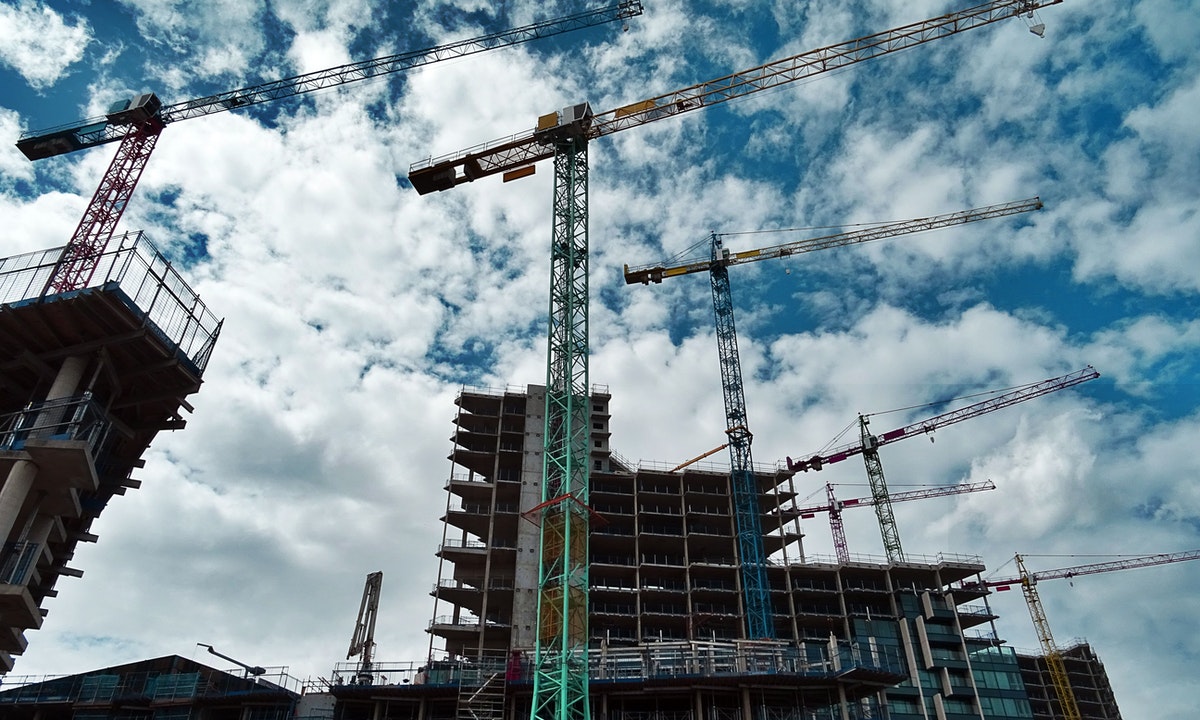

The Execution Of Infrastructure Works May Help The Construction Industry To Resume Its Growth Process, Begun In 2020
The heavy construction market, focused on carrying out infrastructure works, may assist the construction industry in maintaining its growth process that began in 2020, according to experts interviewed by the CNN Brasil Business website. Concessions for highways, airports, ports, and railways can drive works and aid in the recovery of the sector.
In light of a rise in contracts, established by a series of concessions and regulatory milestones for the infrastructure works sector, the expectation is that the sector may replace the housing sector and become the significant milestone in civil construction, especially in the years 2024 and 2025, according to the President of the Brazilian Chamber of Construction Industry (Cbic), José Carlos Martins.
Thus, there is hope that the infrastructure works sector will help in the recovery of the construction industry, which has been harmed both by the economic crisis that occurred in 2015 and 2016, and by shutdowns linked to Operation Lava Jato, where major companies in the construction sector were affected by investigations and allegations of illegal corrupt practices in contracts.
-
China’s Engineered Bamboo: The “Material of the Future” Stronger Than Steel and a Sustainable Wood Alternative

-
Egypt’s “New Nile”: 170 km Artificial River Aims to Turn Desert into Farmland, but Water Supply Concerns Loom
-
Eni Acquires 25% Stake in Chilean Lithium Project, Plans to Invest Up to $225 Million in Eco-Friendly Extraction Method
-
Unable to secure a mortgage as a self-employed single mother, she designed her own floating home from a 20-meter boat and now lives “off-grid” with her two children and solar panels on an English canal.




Numbers Of The Infrastructure Works Sector
A symbol of the recovery movement in the infrastructure works sector, the company Azevedo e Travassos signed approximately R$ 1 billion in contracts in the first seven months of 2022.
When adding the contracts, a portion of them is directed towards the infrastructure works sector, and the other part is focused on the oil and gas sector, according to the company’s financial director, Leonardo Martins.
Although the company has not been investigated in Operation Lava Jato, the director says that the consequences of the investigations were felt. “From 2016 to 2019, the infrastructure works market ceased; no one invested in anything. The investigations affected the large companies that halted everything, and contracts with smaller companies were canceled. Petrobras, for example, canceled a contract with us for 2017 worth R$ 1 billion,” he states.
As a result, the company’s profits, which were R$ 600 million in 2016, fell to R$ 3 million the following year. Despite this, the director forecasts a recovery of the infrastructure sector after a delicate period.
“We have a favorable outlook in the coming years with a focus on private infrastructure. Currently, we are in discussions with all clients in the sector’s verticals,” he says. The company’s plan is to establish several billion in contracts focused on infrastructure still in 2022.
Furthermore, a survey conducted annually by Abdib (Brazilian Association of Infrastructure and Base Industries), published in December 2021, estimates that the transportation and sanitation sectors may receive approximately R$ 160 billion in investments by 2026, considering federal, state, and municipal concession initiatives and public-private partnerships (PPPs).
Projects Driven By Private Capital May Help The Construction Industry
According to Martins, another favorable forecast for the civil construction sector is the large projects supported by private capital. They may boost the construction industry between 2024 and 2025, reflecting the longer timelines of infrastructure projects.
The director also mentions some government measures, such as concessions, that should lead to projects for roads, airports, ports, and railways, funded by foreign capital and carried out by established companies in the sector.
Thus, the expectation is that there will be a reversal in civil construction in the coming years, with infrastructure works generating more jobs and sustaining GDP growth in the sector.