Portuguese
  Spanish


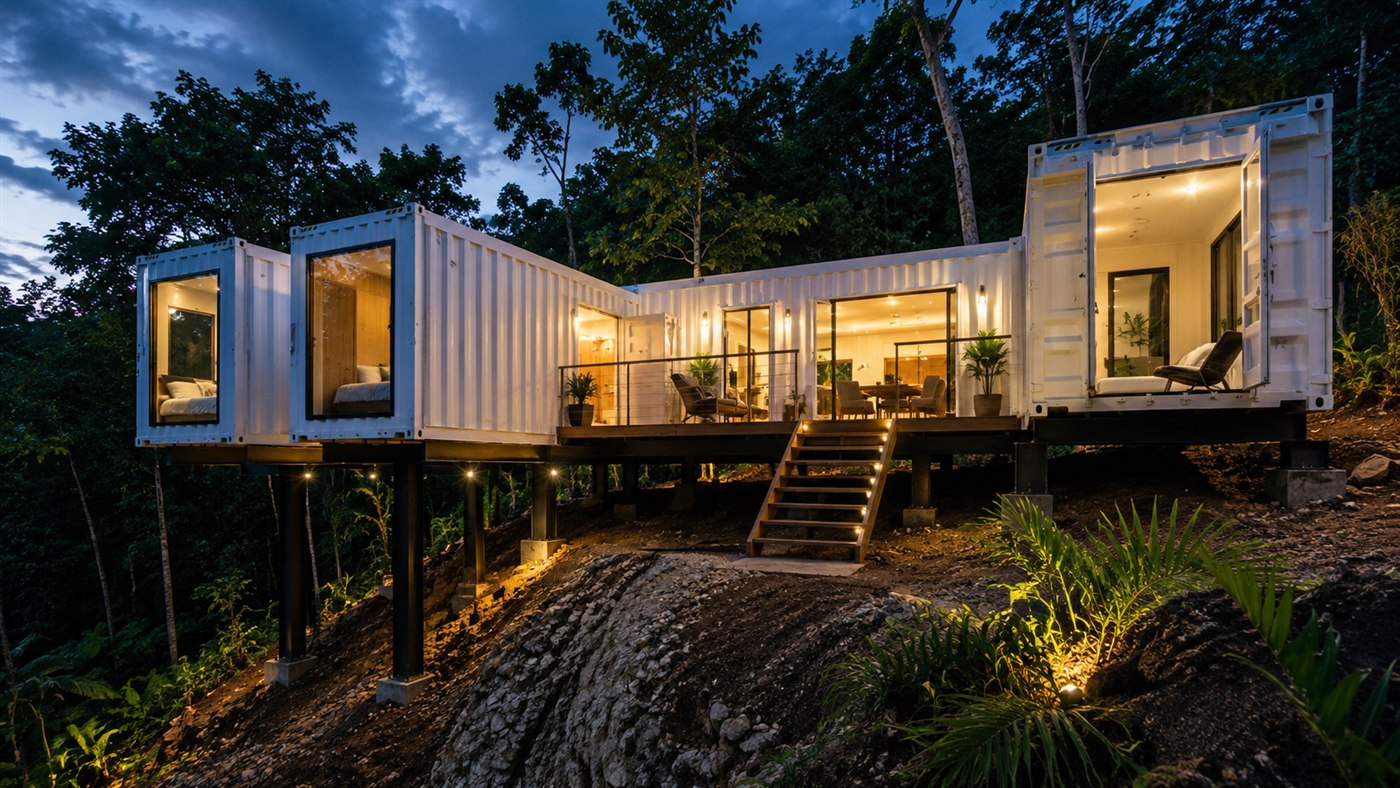

The record published by Machine stage follows the work of creator Fabricatusueno, from white painting to the installation of doors, windows, and internal cladding, showing each step that erases the past of a cargo box
A rusty steel box that spent its life transporting cargo can end up as a modern dwelling, and the transformation is enough to make the eye skeptical. According to the channel Machine stage, in a record published in April 2026 about the work of creator Fabricatusueno, an old and rusty shipping container was converted from scratch into a luxury home, with weeks of intense work, smart design, and finishing capable of making any visitor ask if it really was once a container.
The turnaround begins with appearance. The first step was to clean the worn surface and paint the entire container white, erasing the rust and dirt and giving the box a new identity, the sign that a storage unit would not be born there, but a house, as Machine stage shows. It is the stage that sets the tone for the project: nothing in that container would look makeshift.
The insulating foam that transforms the steel box into a home
The most critical step is not what appears, but what remains hidden. According to the Machine stage channel on YouTube, the most important stage of the work was the insulation: a special foam was sprayed on the entire internal surface of the container walls, covering every gap without leaving any space.
-
“Super Grass” Miscanthus Grows Rapidly Without Pesticides, Replacing Heating Oil in Europe and Now Used in Carbon-Capturing Concrete and Walls in World’s First “Bale House”

-
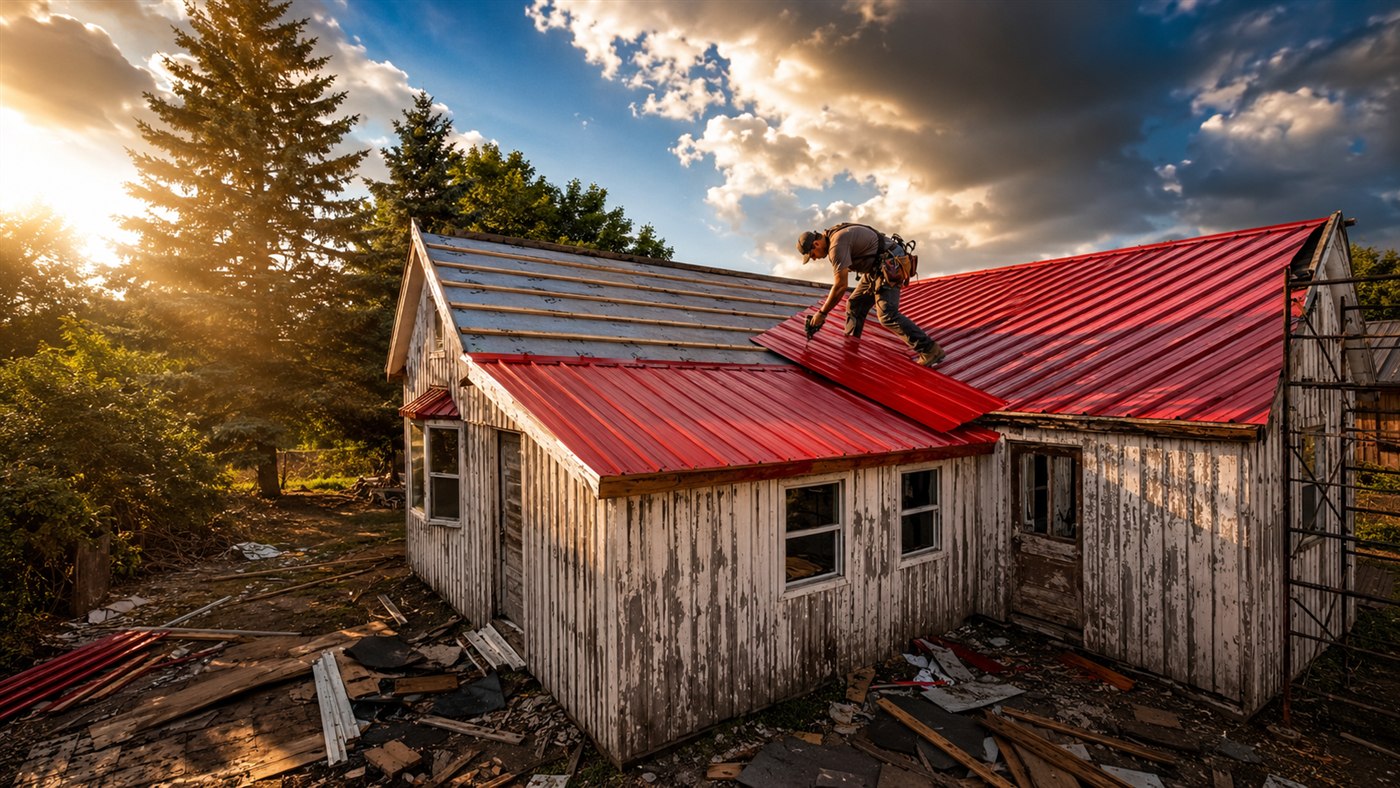
Abandoned House Renovation Fixes Decades-Long Leak in Two Days with Red Steel Roof Installation

-
Man Builds Entire House by Hand from Abandoned Pallets Found in Brazilian Forest, Complete with Round Door and Matching Doghouse
-
California Diverts 65% of Construction Waste from Landfills, Repurposing Millions of Tons into Road Base, New Asphalt, and Wood Chips



The reason is physical before aesthetic. The layer of foam retains heat inside and blocks the external temperature variation, the historical weak point of the container, which without insulation becomes a greenhouse in the sun and a refrigerator in the cold, as Machine stage explains. It is this cladding that separates the hot and uncomfortable steel box from a livable home, and without it, no luxury finish would sustain comfort in daily life.
Doors and windows cut into the steel sheet
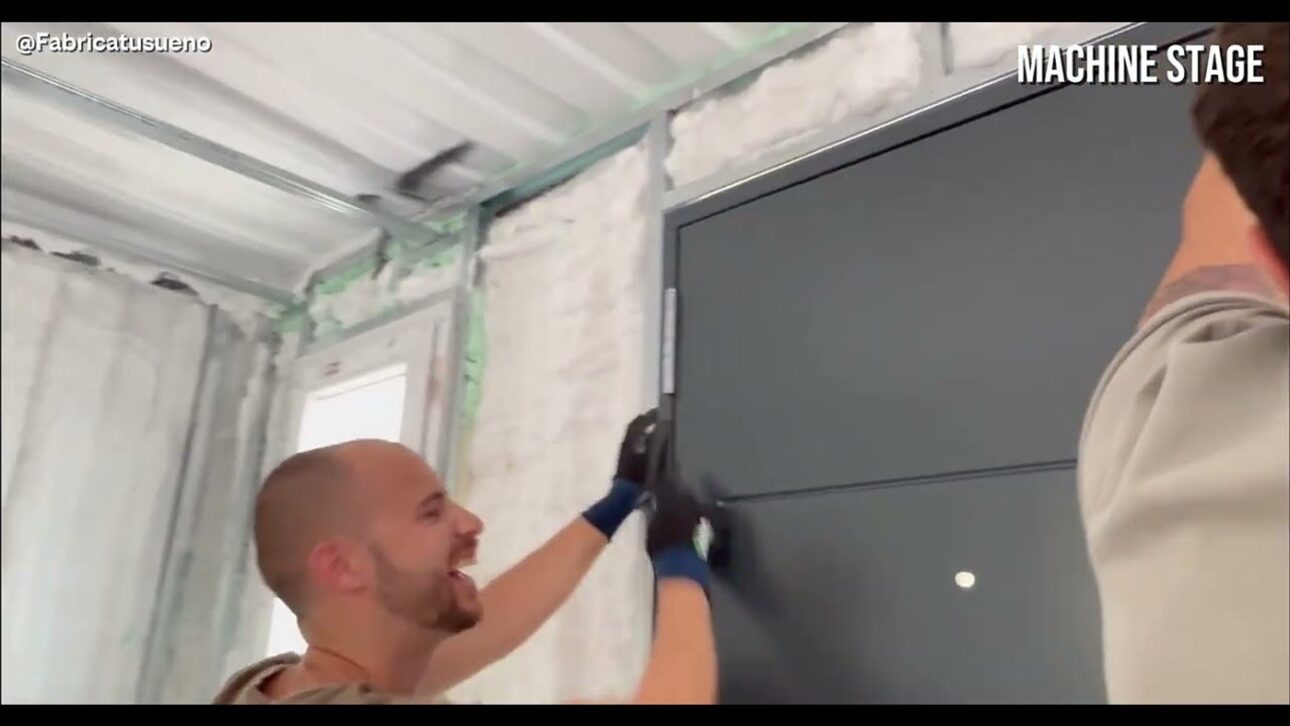
With the insulation ready, the structure comes to life as a house. According to the Machine stage, doors and windows were installed by cutting the container’s outer wall, with the modern door ensuring security and the openings allowing natural light to transform the perception of the space.
The invisible details make the difference. The sealing materials used on the edges of the openings are critical for both waterproofing and insulation, preventing infiltration exactly where the sheet was cut, as detailed by the Machine stage. It’s the care that prevents the necessary cut for windows and doors from becoming the entry point for water, the number one enemy of any steel house.
Drywall that hides the wiring and becomes a smooth wall
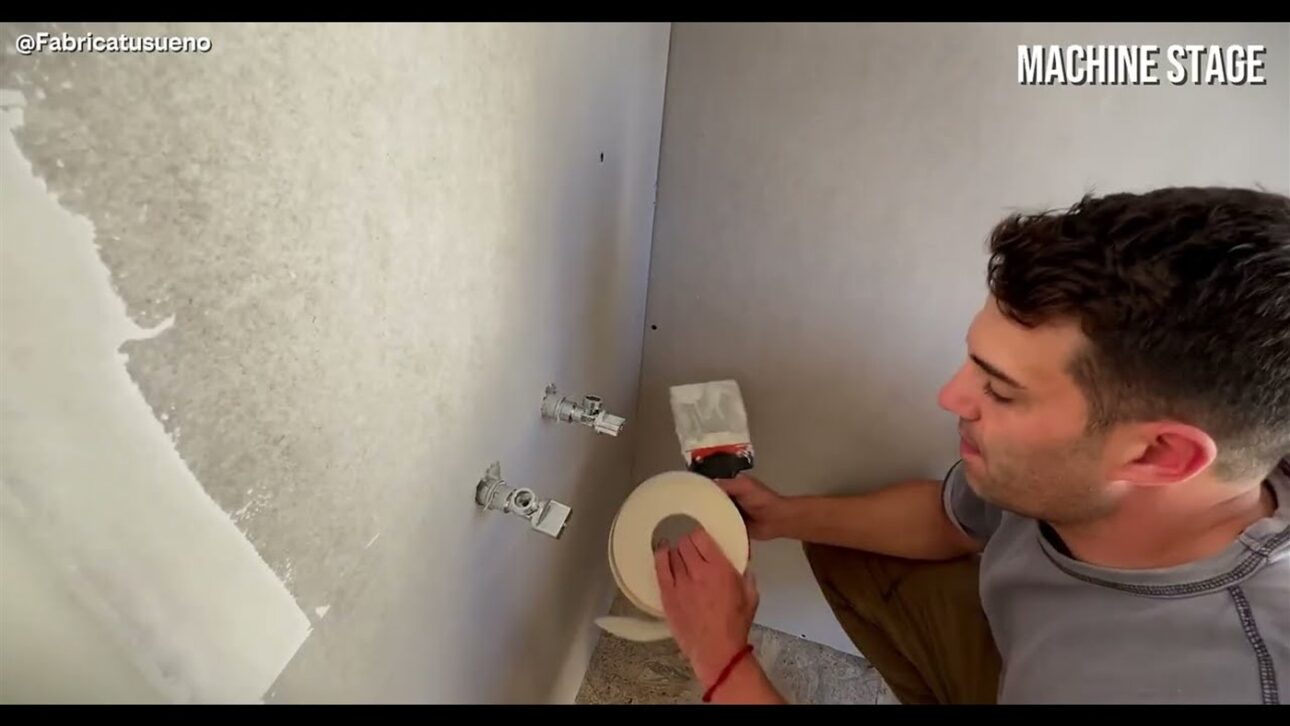
The interior is where the cargo box becomes a home. According to the Machine stage, the internal walls received drywall covering that hides all the plumbing, electrical, and insulation, with the panels fixed and aligned to eliminate any rough or unfinished appearance.
The result erases the industrial past. With the drywall applied, the interior no longer looks like a construction site and becomes a true living space, with smooth surfaces ready for painting and decoration, as shown by the Machine stage. It’s the stage where the container completely loses its cargo box memory: inside, no one would say those walls once faced years of sea and port.
Why the container became a construction craze
The topic resonates with a trend well-known in Brazil. The container house has moved from being a curiosity to a real option for housing, office, and commerce, with factories across the country delivering everything from compact studios to multi-module residences, promising quick construction, ready-made structure, and layout freedom.
The secret of success is what the video shows. The standard 40-foot shipping container measures about 12 meters in length and is designed to travel stacked with dozens of tons of cargo on the roof, ensuring ample structural strength, and what separates the project box from the storage box is precisely the insulation and finishing seen in the work, a well-known context in the modular construction sector. The strength comes from the factory; the comfort and luxury come from the foam, glass, and drywall.
What to check before living in a container


The transformation of the video serves as a guide for those who dream of a container house. Before the beautiful finish, the essentials are well-done thermal insulation, sealing of openings against infiltration, and anti-corrosion treatment under the paint, the points that determine whether the house will be comfortable or a rusty oven.
The finish is the visible part of an invisible job. The luxury house shown in the footage is only possible because the hidden stages, foam, sealing, and coating, were well executed before any aesthetic detail came into play, a reminder that a beautiful container on delivery day does not guarantee a good container to live in two years later. The right question for the buyer is not how it looks inside, but what exists between the steel plate and the smooth wall.
The video covers the painting, the application of insulating foam, the cutting of doors and windows, the drywall coating, and the final finish of the house.
The conversion of the rusty container proves that the most battered steel box can become a luxury home, as long as what is not seen is well done. Tell us in the comments: would you live in a house made of a refurbished shipping container?