Portuguese
  Spanish



Artificial Intelligence Is Now in the Oil and Gas Industry! According to Industry Companies, the Technology Assists in Several Service Areas
With the advancement of artificial intelligence in recent times, several service sectors have introduced the technology into their daily routines. This time, the oil and gas sector has embraced the technology, adopting the benefits it offers and implementing it in various services in the field, according to the Telesintese website.
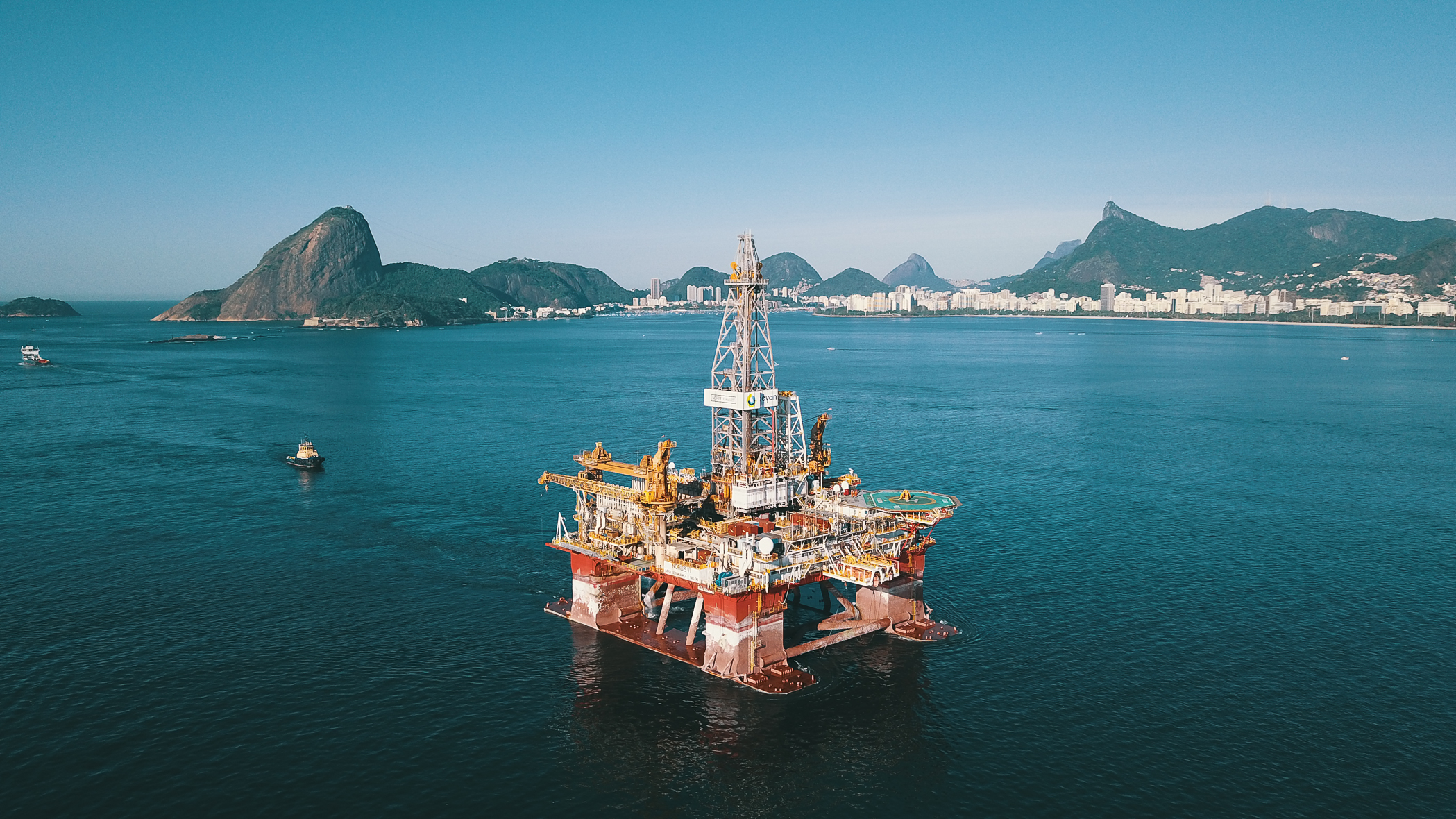
The introduction of technology in the oil and gas sector ranges from exploration to the distribution of the final product to refineries. An example of a company in the oil and gas sector that uses artificial intelligence in its services is Ocyan, which, with a fleet of five offshore oil and gas drillers and two FPSOs, provides solutions for the oil and gas industry, developing installation projects, manufacturing and developing submarine equipment, as well as maintenance.
According to Ocyan’s executive manager, Hygo Santos, the company faces a significant challenge in using technology since it operates in all areas of oil and gas.
-
Teen Invents AI-Powered Traffic Light to Assist Elderly Pedestrians by Extending Crossing Time

-
NASA Plans Telescope That Can Be Repaired by Robots 1.5 Million Kilometers from Earth

-
China Launches First Oceanic Medical Rescue Ship with Advanced Facilities to Serve Remote Regions

-
Midea Unveils Portable PortaSplit Air Conditioner: 12,000 BTUs, Quiet Mode, Heating, Dehumidification, App Control, and AI Efficiency Without Professional Installation




According to him: “We operate in both oil production, drilling, underwater construction, and maintenance, including decommissioning oil wells in the Campos Basin. We have nine vessels and a workforce of 4,000 professionals. We just do not operate in distribution. We use hyperautomation resources (a broad concept that encompasses various areas of AI), from the back office to the operation at the field’s edge.”
More Technology in the Oil and Gas Industry
Technology is also present in the demand management area in the oil and gas sector, which now utilizes RPA to register its accounting and tax classification. More than 20,000 management items have already been processed using the technology, including offshore supplies.
According to the manager: “We work with safety stock, but the vessels have limitations of physical space. It is necessary to find an optimal point between the need for supplies and the space to use the technology. For this, we have the consumption profile of each item. We have professionals in the financial and engineering areas that we train to have this command of the RPAs.”
Additionally, the company has completed a prototype contract with Schlumberger for service measurement using blockchain. The tool works this way: from the moment the service is executed, sensors and algorithms perform the measurement.
“We now have an audited process from start to finish. It is a necessity for the industry to improve its efficiency. Ocyan works on two fronts on the vessels: predictive maintenance; and improving communication to enable remote operations in the future. I don’t see artificial intelligence replacing human work. Ocyan has been working to bring people to the forefront, empowering them,” concludes Santos.