






 Portuguese
  Spanish
  3 min of reading
  0 comments


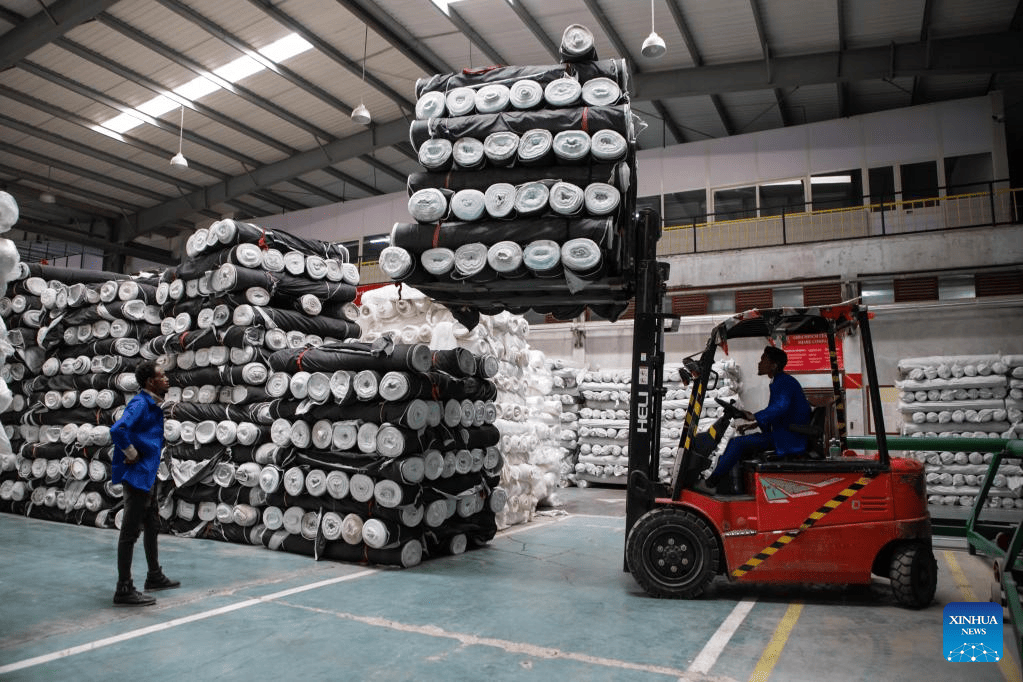
The Textile Industry Strengthens Its Strategic Role by Generating Thousands of Jobs in Brazil, Highlighting Growth in Operational Areas and Investing in Innovation to Maintain the Pace
With a projected growth of 1.2% in 2025, the textile industry reaffirms its strategic role in the Brazilian economy. This Monday (21), Textile Industry Day highlights the advancements of a sector that has expanded its presence, generated job opportunities, and invested in sustainable and technological solutions.
Even in the face of international challenges, the sector remains active and has a great capacity for adaptation. Today, it goes beyond fashion and integrates areas such as health, civil construction, and security. This diversity shows the strength and importance of the textile industry in the productive structure of the country.
Specialized Fairs Boost Business and Innovation
Textile fairs are increasingly gaining ground as strategic environments for the sector. These events bring together manufacturers, technology providers, startups, and specialists from various countries. In addition to fostering business and partnerships, they are spaces for exchanging knowledge and launching trends.
-
IBGE opens 8,238 temporary positions to work on the 12th Agricultural Census, with salaries of up to R$ 4,008.00, food allowance of R$ 1,192.00, and online registration until July 1, 2026.

-
Municipal Guard calls for applicants for a high school level position with a salary of R$ 7,000, benefits, bonuses, and additional payments that can increase earnings, more than 700 positions expected, and participation open to candidates from all over Brazil.

-
Work at Vale: mining company opens positions in roles such as industrial maintenance, equipment operation, and technical inspection in a new selection process with 206 opportunities, competitive benefits, and strengthening in the areas of mining, automation, and operational safety in Brazil.
-
Brazilian Army calls for professionals with higher education for a competition with 227 vacancies in the areas of Health, Law, Journalism, and IT


Febratex is one of the largest examples. Internationally recognized, the fair is responsible for initiating around 40% of textile machine businesses in Brazil.
According to Hélvio Pompeo, president of the Febratex Group, these events are more than just exhibitions. “Textile fairs are more than just exhibitions of technology; they are spaces for connection and transformation, where innovation meets practice. They allow entrepreneurs, technicians, and developers to exchange ideas and find real solutions to the sector’s challenges. It is in this environment that the future of the industry begins to be built,” he explains.
Job Generation Remains High
Even with technological changes, the production base of the textile industry remains solid. According to data from the Annual Social Information Report (RAIS), the state of São Paulo has more than 70,000 active links in the sector, mainly in operational roles such as seamstress, production line feeder, and multifaceted operator.
In 2023, the sector generated nearly 6,000 new jobs, a growth of 7.8%. Abit projects that, by 2025, textile production should grow by 1.4%, creating more than 6,000 direct jobs.
The superintending director of the entity, Fernando Valente Pimentel, sees progress but warns about imports. “The textile and apparel industry in these first three months of the year is operating positively and generating more formal job positions. On the other hand, imports continue to grow at a pace above that of consumer production, which means we are losing relative position of the national industry in meeting local market demands,” he states.
Versatility Expands Economic and Social Impact
The operations of the textile industry go far beyond clothing. Materials such as Kevlar and carbon are used in geotextiles for civil works, bulletproof vests, hospital uniforms, and even dressings with smart fabrics. These applications demonstrate how the sector contributes to different areas of society.
In urban mobility, technical textiles are also gaining space. They are part of vehicle components, such as seats and coverings, offering resistance and lightness.
With solutions across various fronts, the sector reinforces its economic and social importance in Brazil, operating broadly and integrated with other industries.
With information from Abc do Abc.







Be the first to react!