Portuguese
  Spanish


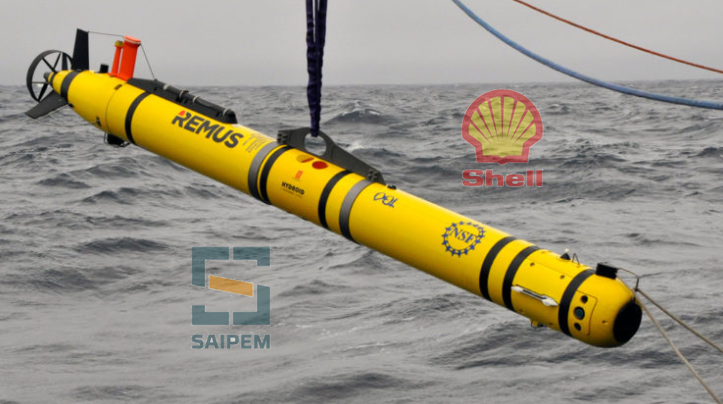

This Equipment Promises to Revolutionize Inspections in Offshore Activities and Reduce Operational Costs with ROVs and Support Vessels by 50%. AUVs Will Revolutionize the Oil and Gas Market
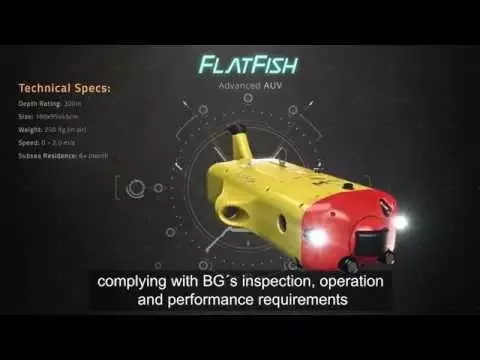
Shell and Saipem are now partners in new offshore inspection systems called AUVs (Autonomous Underwater Vehicles) Flatfish, which are autonomous underwater robots. In partnership with Senai Cimatec and developed since 2014, this conceptual technology can be observed closely by Click Petróleo Gás at the Brasil Offshore 2017 event. Watch the video below to see how the system works:

-
Brazilian Innovator Uses 3D-Printed Device to Cool Two Rooms with One Air Conditioner
-
China Uses 432 Robots to Move a 7,500-Ton Historic Building in Shanghai, Preserving Architecture While Creating Space for Underground Center
-
Dutch Initiative Swaps Cigarette Butts for Food to Clean Streets, Combat Pollution, and Turn Waste into Recycled Furniture

-
Kenyan Company Recycles Over 10 Million Flip-Flops from Indian Ocean Beaches into Elephant and Giraffe Sculptures Sold for Up to $1,200

An AUV is designed to inspect submerged structural equipment with at least half the costs compared to traditional ROVs, which require a support vessel and a whole operational contingent that incurs exorbitant costs. You just need to input a program into the Flatfish, and it will autonomously navigate through the oceans, inspecting and collecting data without the need for any kind of mobilization; it will simply return to base with all the necessary data. It’s good for people and for the Environment.
This project may be so revolutionary for the oil and gas sector that it won the Technological Innovation Award from the National Agency of Petroleum (ANP). The companies involved in this project were Shell in collaboration with Senai-Cimatec, DFKI, and GTR, with co-financing from EMBRAPII, also using resources from the ANP P&D clause, and it was developed in Salvador, Bahia.
In these times of crisis, to remain competitive and financially healthy, the order is to manage operational costs. Although the price of crude oil is starting to rise, it is still far from what it once was. On the flip side, the ROV modality may face significant detriment since AUVs can perform these activities without the need to relocate teams and offshore units to the intervention site.